
Medium Format Vibes Part I
This year, I mentioned that I wanted to do two specific things, shoot more film and print more of my work.
I’ve got a huge stock of 35mm film in both black and white and colour left over from my ‘shooting film for a year’ project, which I’ve been working my way through slowly.
However, as I mentioned in a previous blog, I’d lost my photography mojo a little at the beginning of 2026. As such, It’s now the end of March, and I’ve not done any film photography yet this year and until recently, very little digital either.
A trip to the Isle of Skye re-ignited my photographic passion and got me back into taking pictures, but it also reignited and interest in Medium Format photography.
Shooting landscapes is a great place to enjoy medium format photography for its high-resolution and image detail, but also for it’s square and panoramic crops, both of which work extremely well in landscapes.
Square aspect ratios (1:1) and panoramic, 16:9 or even better the famous X-PAN crop of 65:24 are synonymous with medium format film cameras and I think this is what got me thinking.
Many of my images from Skye, were shot in square format, or panoramic XPAN format. All images were shot on my Sony A7RV or a borrowed Hasselblad X2D which I really enjoyed. (more on that in Part II).
Part I - Yashica 635
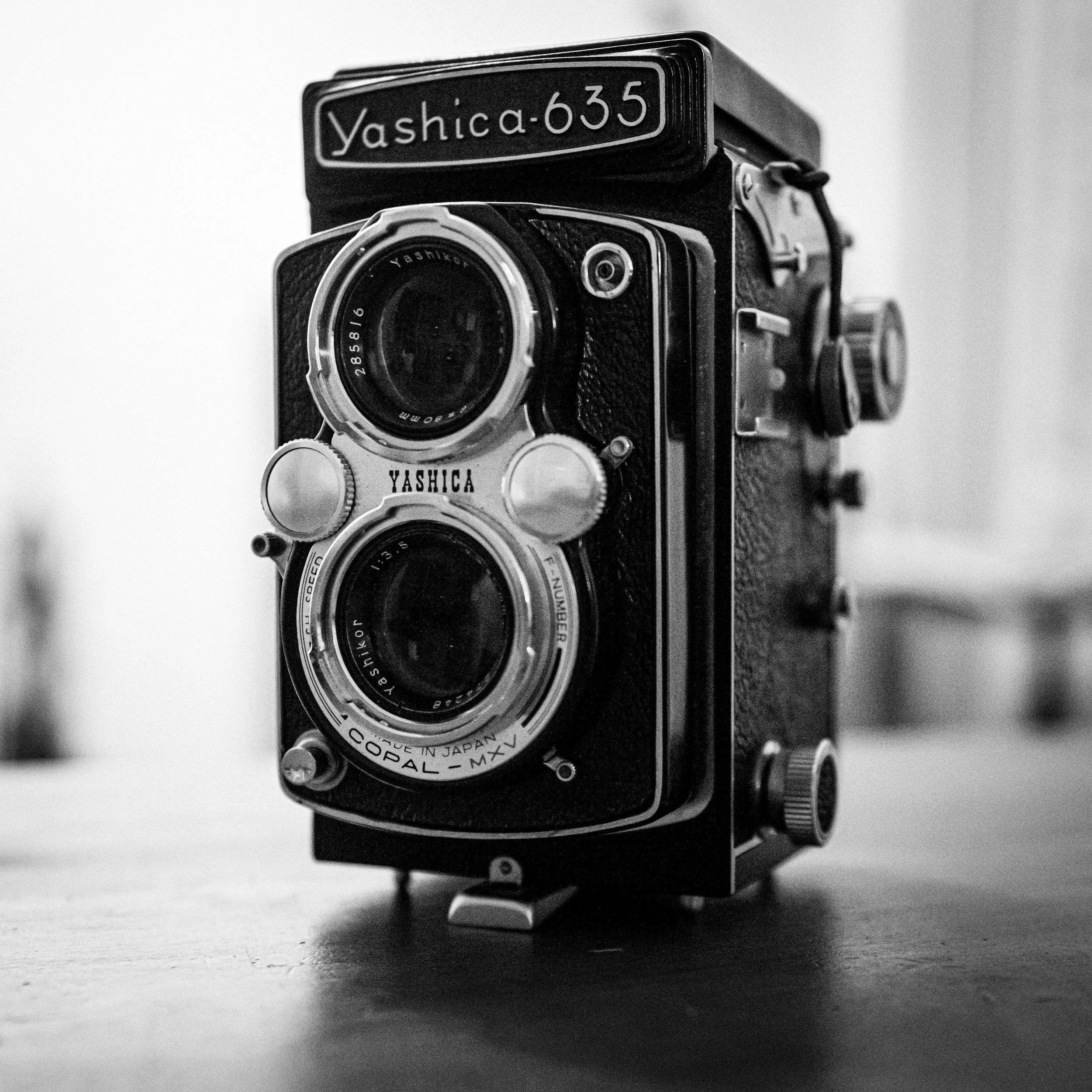
Itching to shoot more film, and with this new interest in medium format, the only camera I have capable of shooting 120 format film, is my Yashica 635 which I bought at the UK camera fair in 2025, for a very good price.
It’s a rather cool twin lens reflex camera (TLR) which was introduced in 1958. What makes it special, is that it not only shoots 120 medium format film, like most of these style of cameras, but also 35mm film using some additional accessories which fit inside the camera and adapt it to take 35mm film spools.
I was lucky to find this camera and even more lucky to find one with all the 35mm accessories with it, all intact and near mint condition.
I’ve only run a couple of 35mm films through it since I’ve owned it, to test it’s operation and make sure the exposures (shutter speeds and apertures) were working properly before I spent money on 120 format film which I needed to purchase, to shoot medium format.
I later picked up 2 rolls of HP5plus in 120 format, not my favourite film, but it was cheap and readily available which suited me. The two rolls of film have sat around for about a year now. I know the camera works, so I loaded up a roll and set about taking some pictures locally this weekend.
12 photos
The Yashica shoots 6cm × 6cm square format negatives, and you get 12 shots to a roll in this format. The same film can be used for other formats, 6cm x 4.5cm (which gives 16 shots), and also 6cm x 7cm which gives only 8 shots. 6×6 is my favourite format anyway, and give a decent number of high-resolution images.
Developing and Scanning
It’s been ages since I shot any film, so all my chemistry is old, in fact the last batch of stop and fix I mixed up was dated January 2025 and has been used up until September 25. The developer I mixed at the time was fully used up in about 3 months, so I’ve been mixing fresh developer each time I’ve needed it.
It’s a new start, new year, so I mixed up a complete new set of fresh chemistry. I use Ilfotec-HC developer in the main, and I also use Ilford Stop bath and Ilford Rapid Fixer.
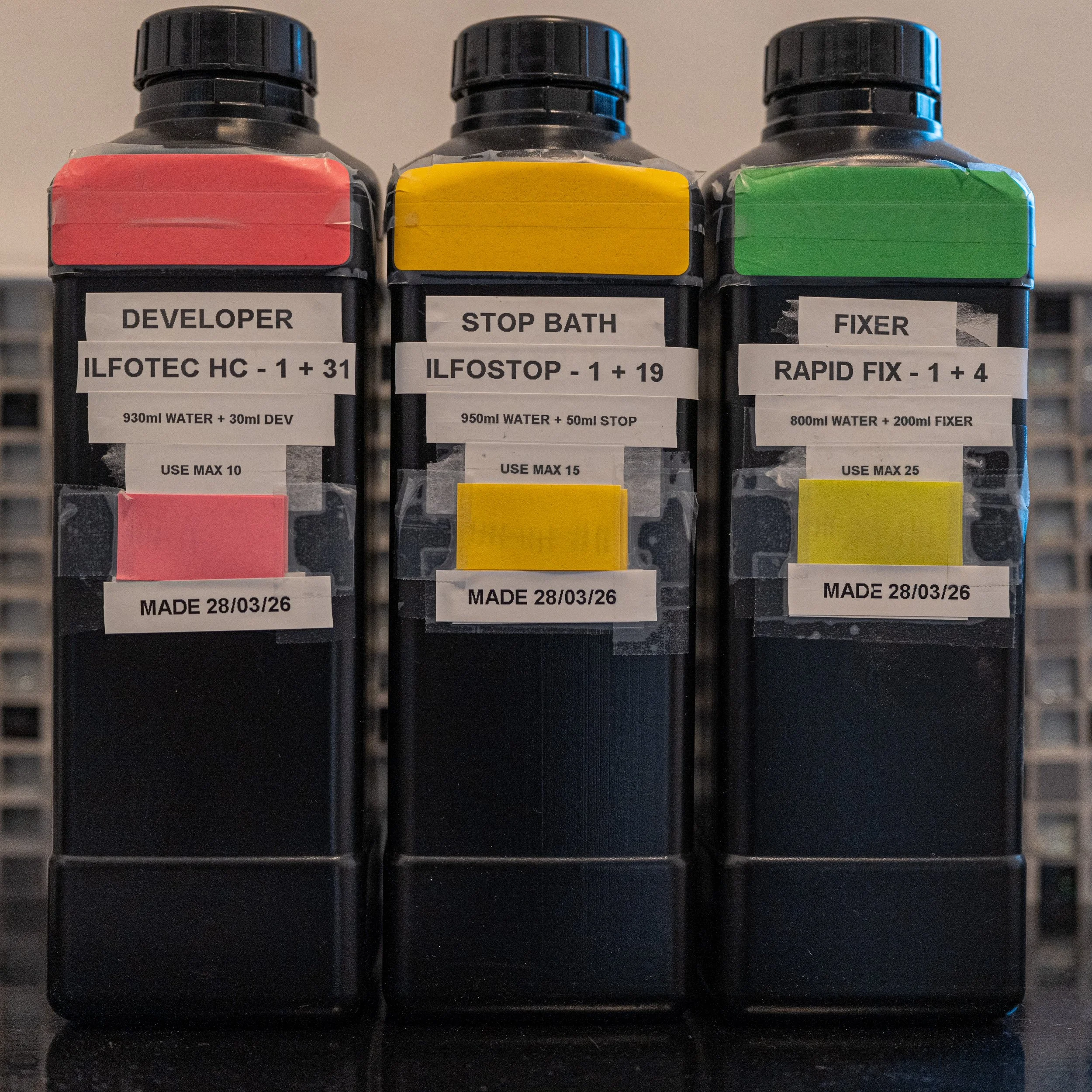
Updated labels for my storage bottles and the other information reminded me on what to mix
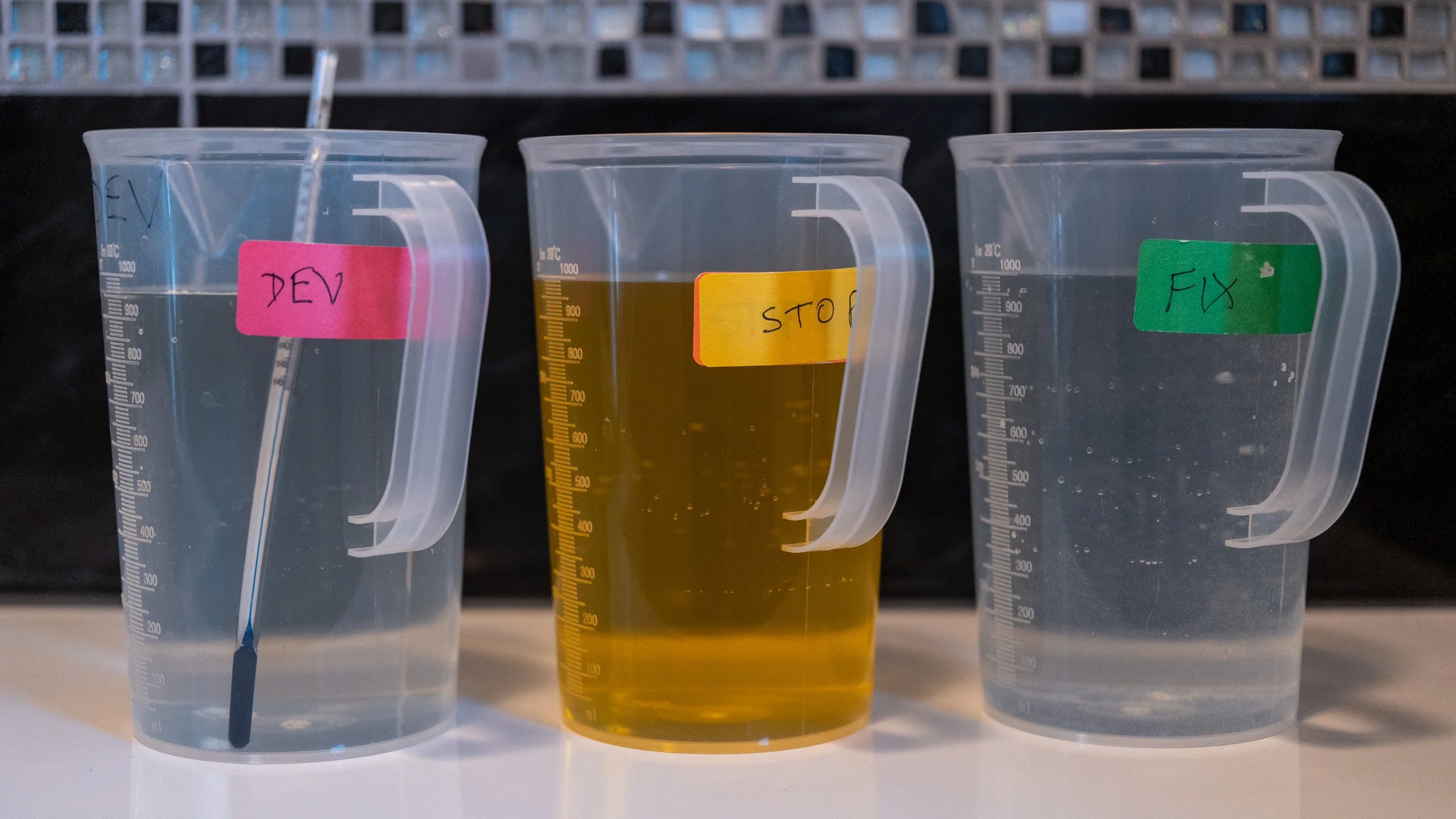
Fresh Chemistry, up to 20˚C and ready to use
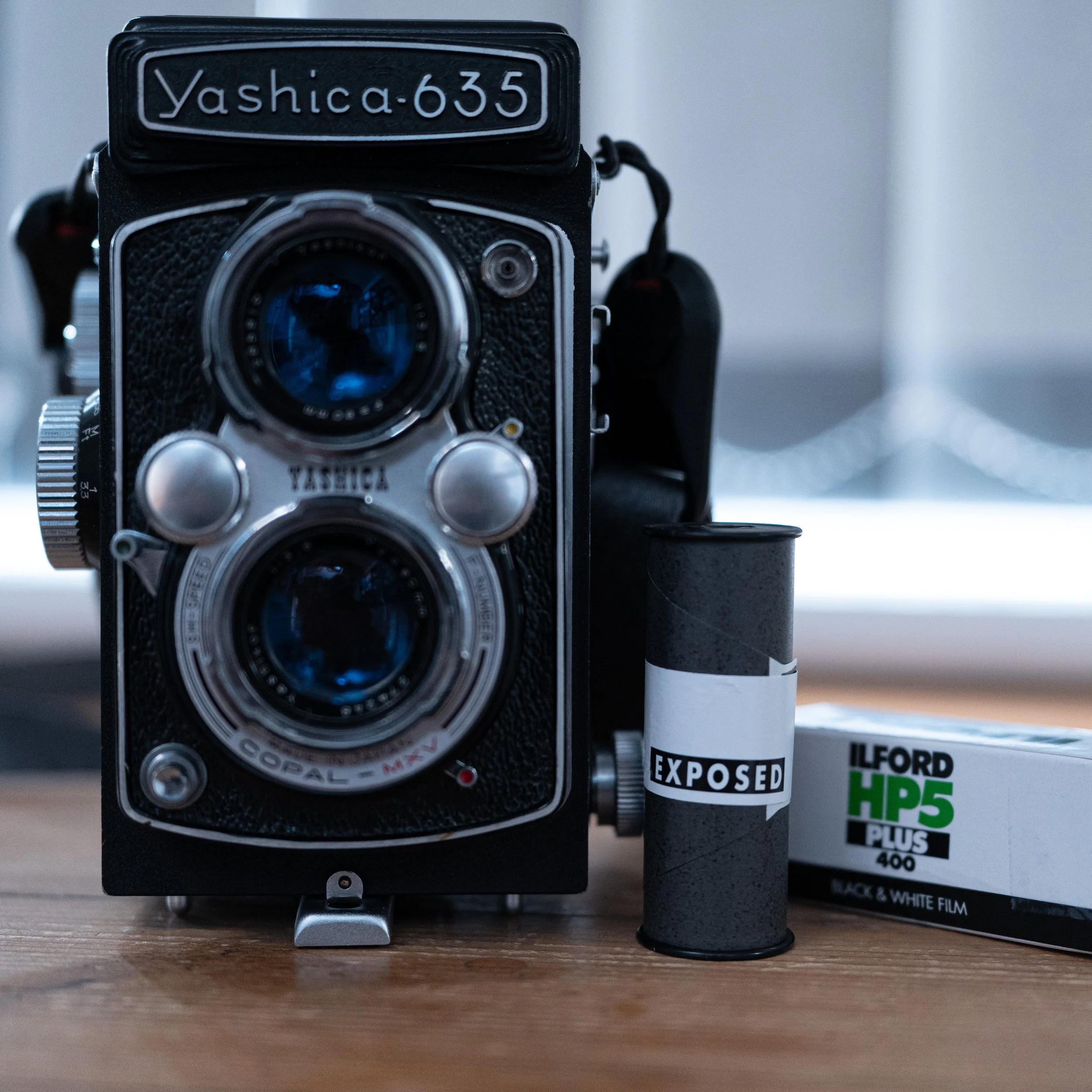
1 roll of exposed film, ready for processing
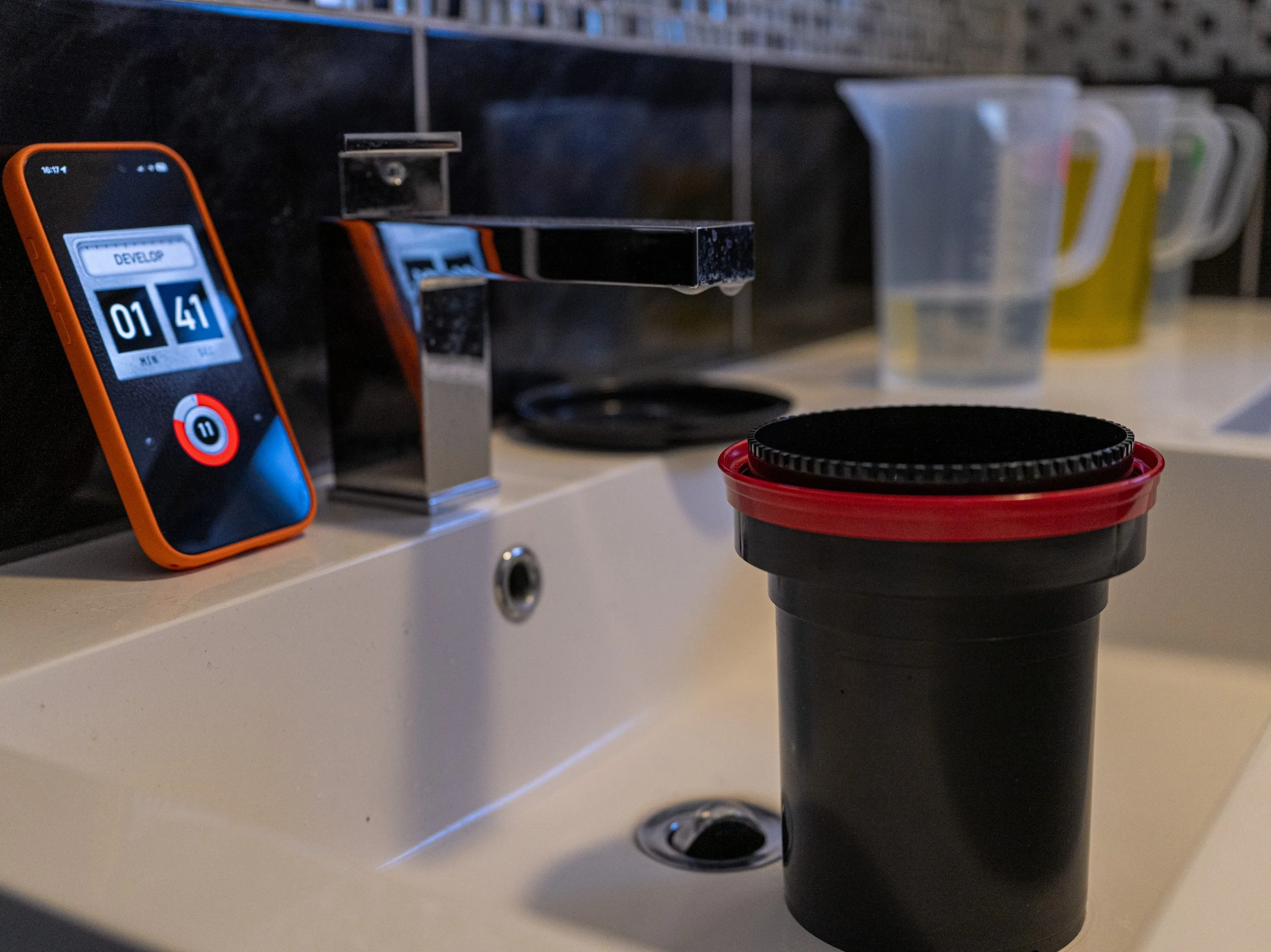
Film loaded into the tank, and off we go… I used the ‘Develop’ App to time the different stages
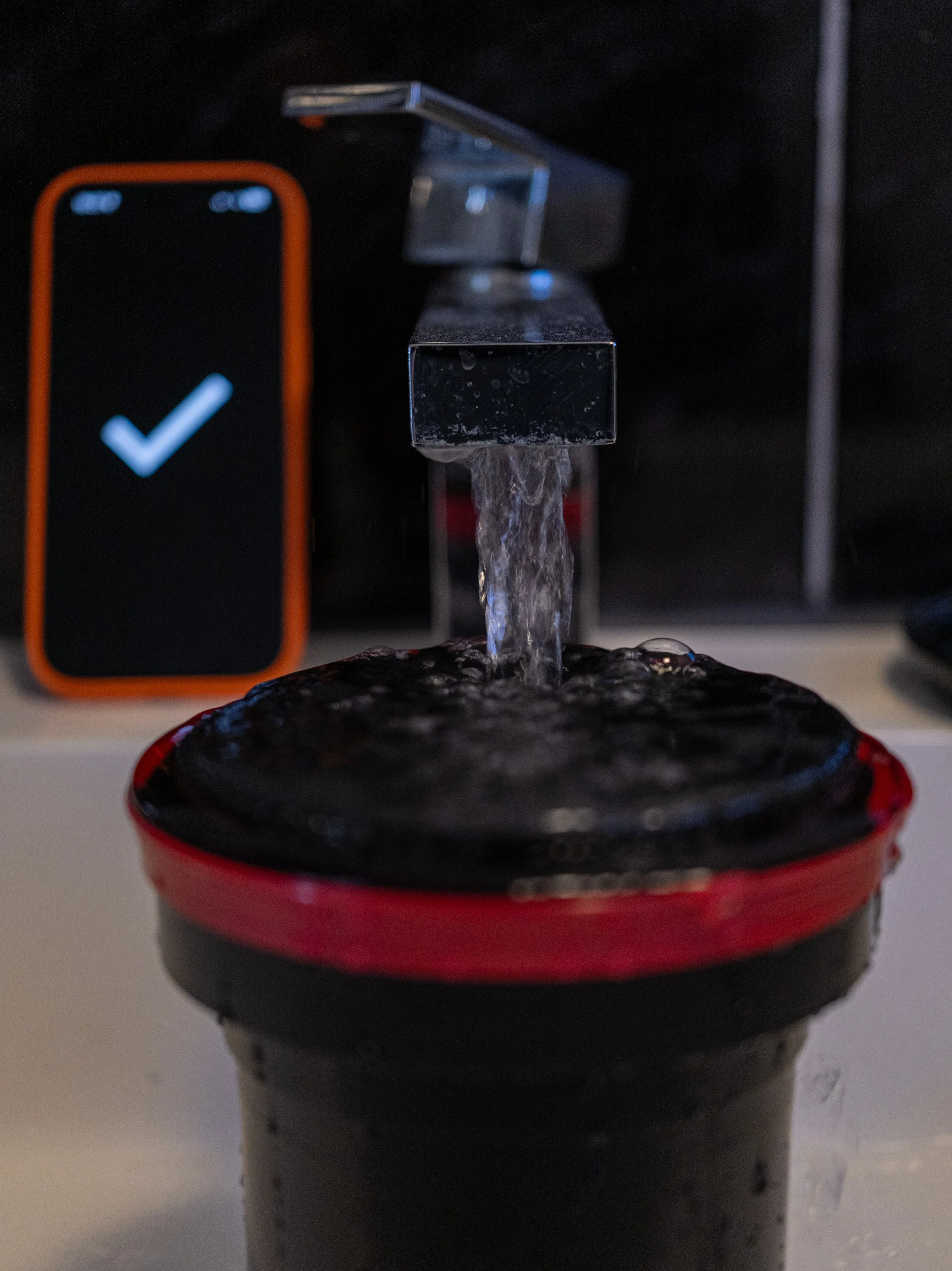
Developing, stopping and fixing done, it’s time to wash the film
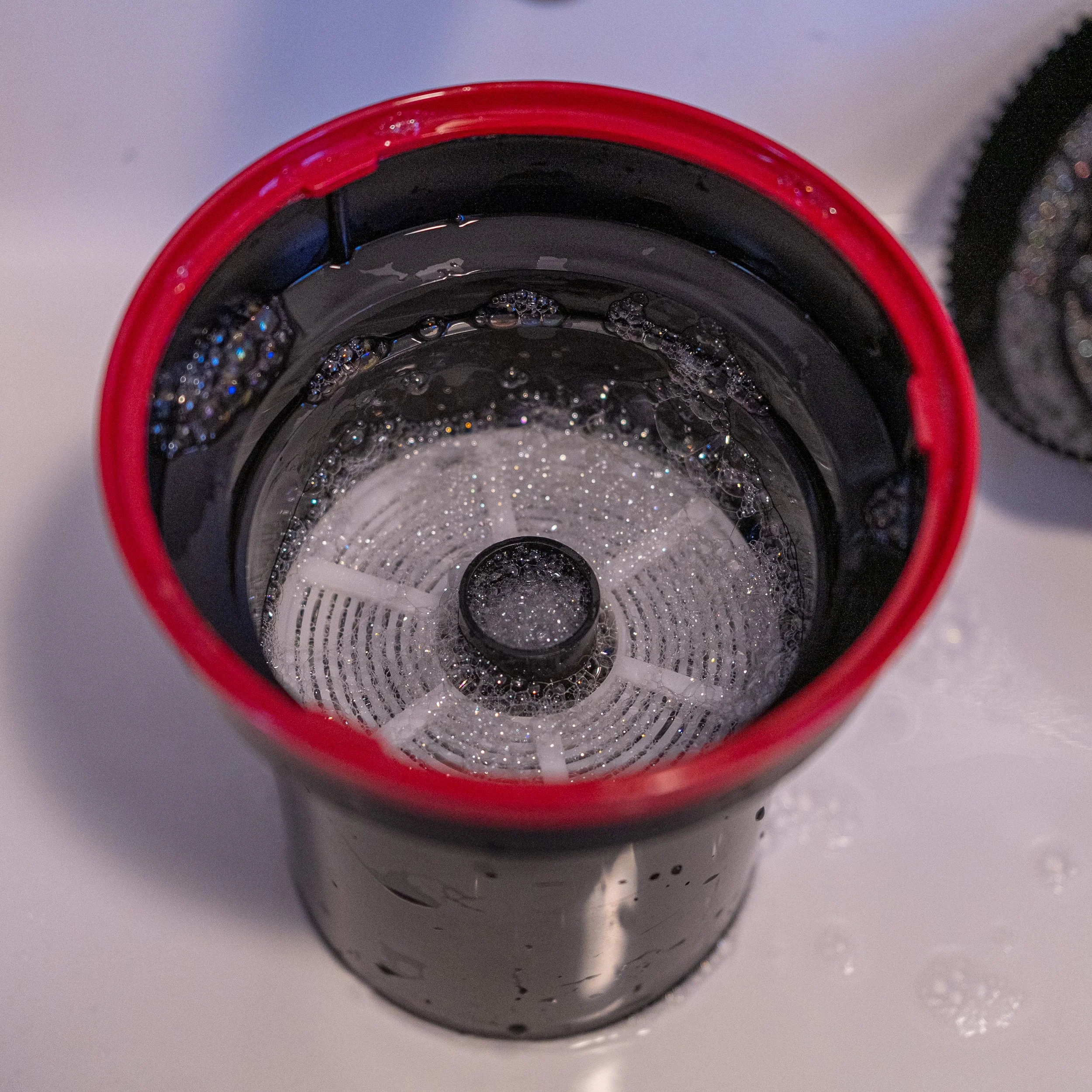
A little bit of wetting agent (Ilfotol) at the end of the wash, to prevent water stains. I’ve often wondered if soap will do the same thing.
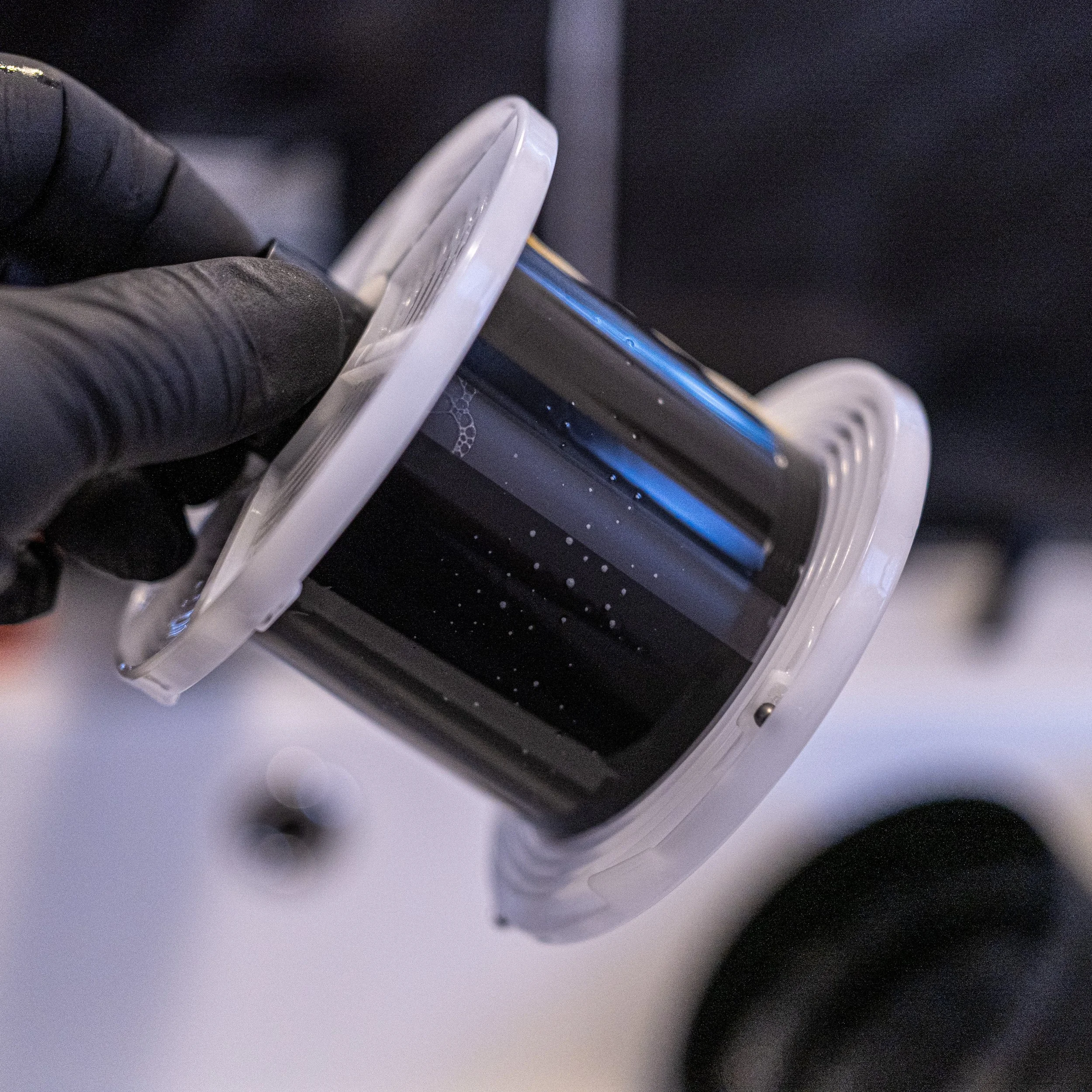
The moment of truth…
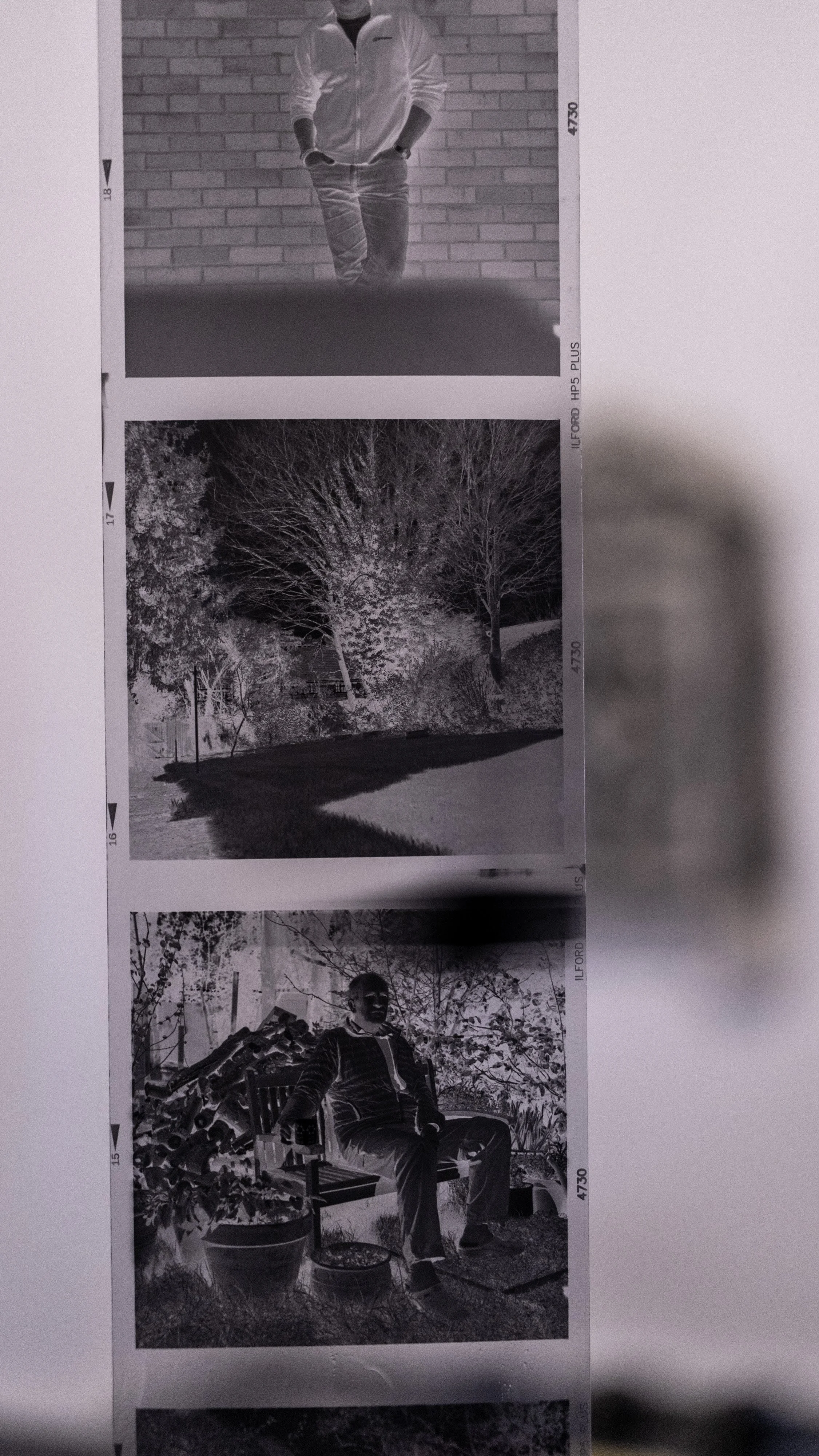
12 images, all exposed correctly, so I hung the film up to dry for a couple of hours
Scanning
This is the bit I used to dread, until I bought my Valoi Easy-35 film scanning device which basically attaches to the end of a macro lens on my digital camera and allows me to scan film super quick. I can do a roll of 36 exposures in about 2 minutes which is extraordinary.
Problem is, I’m using medium format film today and it won’t fit in my Easy-35 so I’m forced to use the slow flat-bed scanner which takes ages and is a pain to get out and set up.
At least it’s only 12 exposures to process, so it’s not going to take me hours.
In a little under half an hour, I had all images scanned into Lightroom for digital processing.
Being medium format, I scanned the images in using 4800dpi resolution to 16-bit TIFF files. At 6×6cm, this is about 100 Megapixels, the same as the Hasselblad digital camera and the files come out at 200MB each, which is also the same as the Hassy.
The first thing I noticed was the massively higher resolution (detail) in the images, compared to what I normally see with 35mm.
I was able to zoom into the finest details and still see a sharp image.
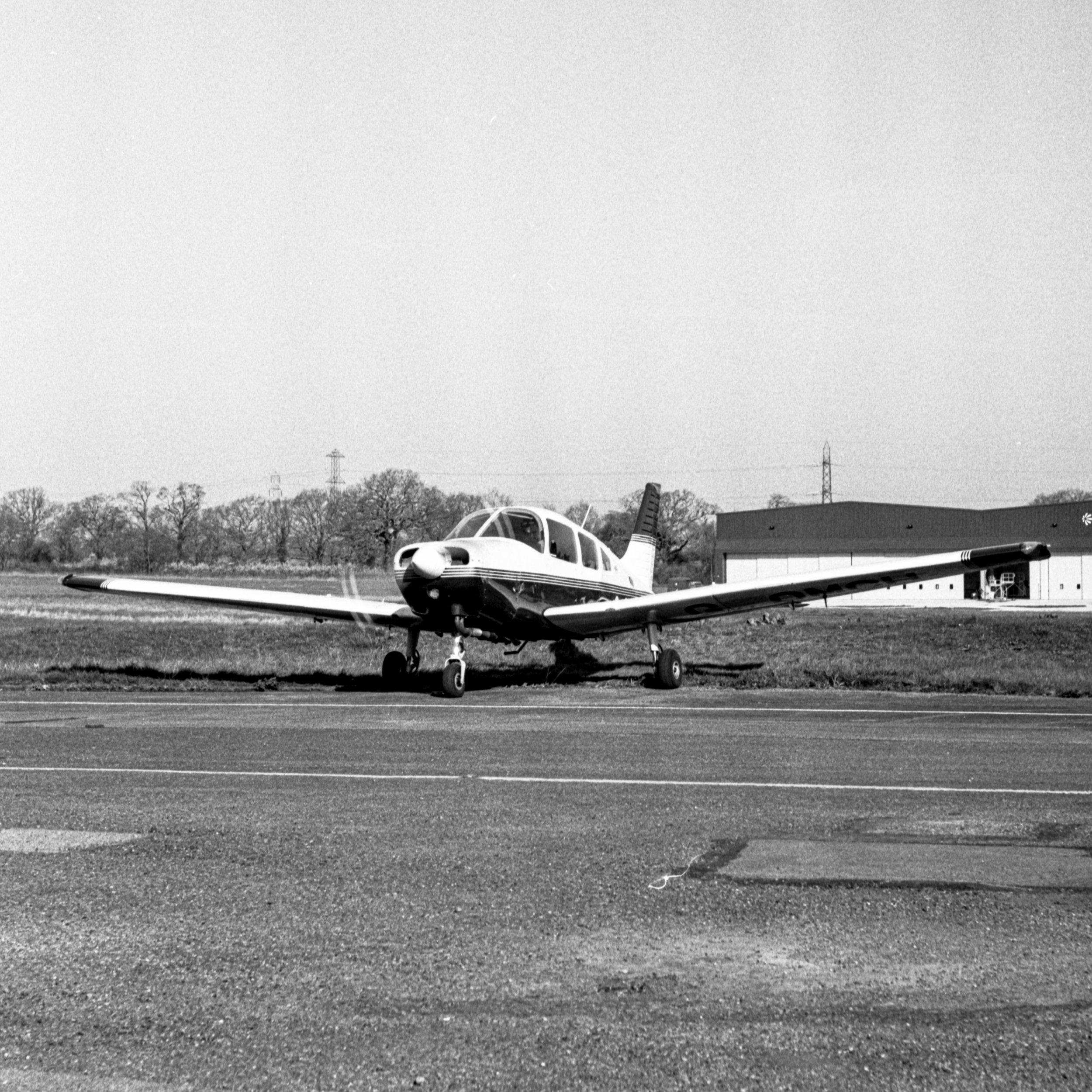
Ilford HP5 plus
I bought this film because it was cheap and readily available. It’s not one of my favourite films though and I much prefer, sharper, more contrasty films. If it’s got to be ilford, then I’d prefer to be using FP4, or Delta. HP5 is however all I’ve got so I was curious to see if it was any better in medium format.
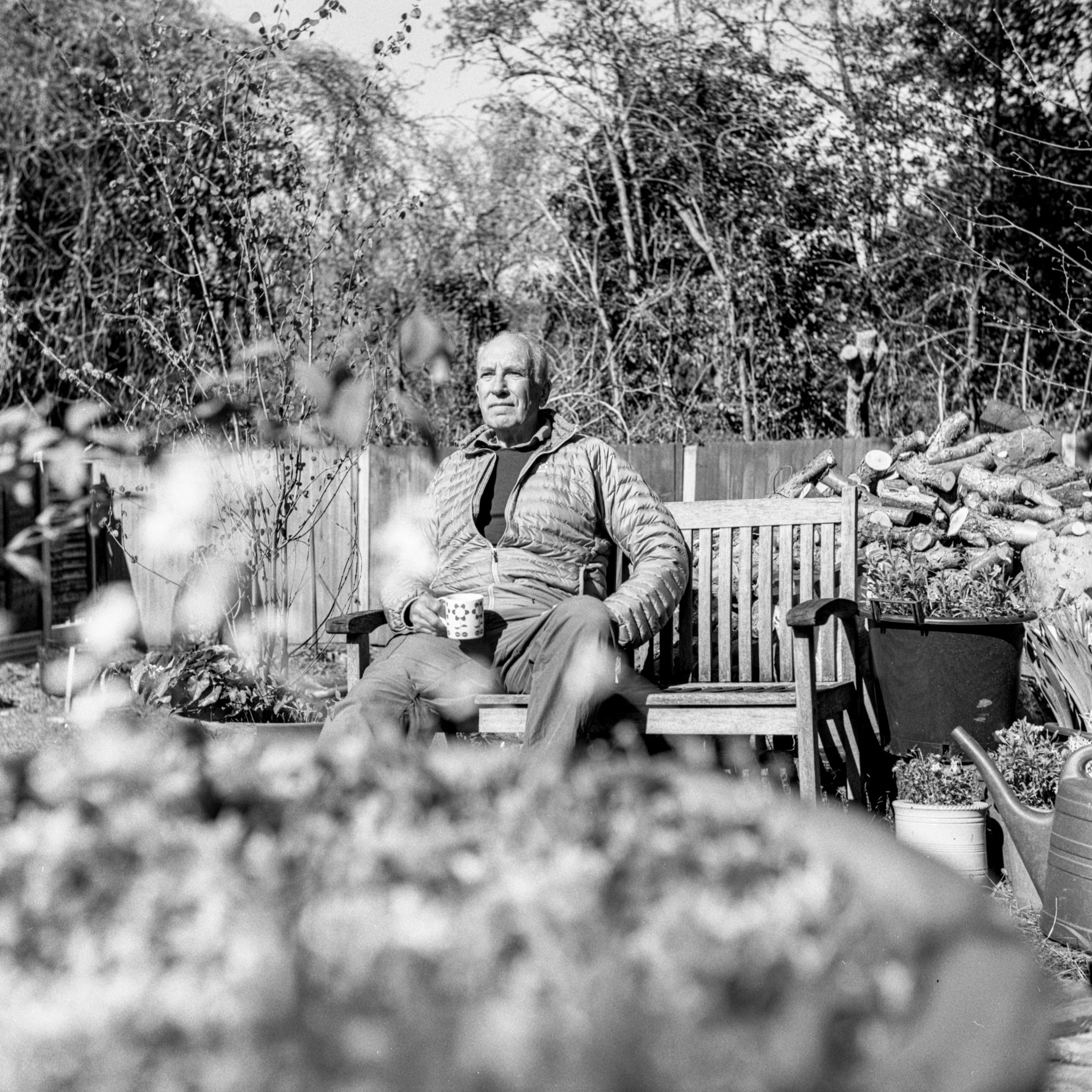
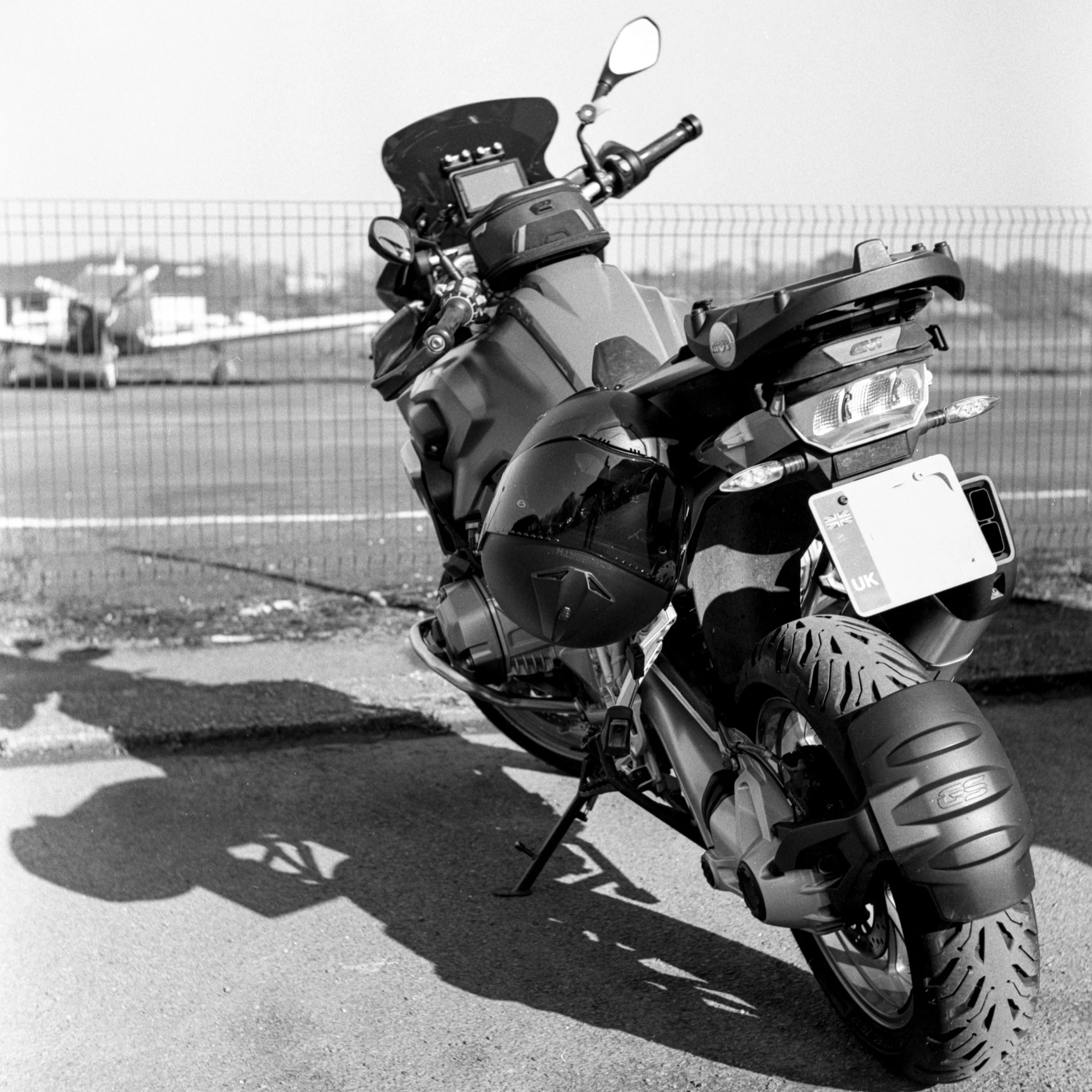
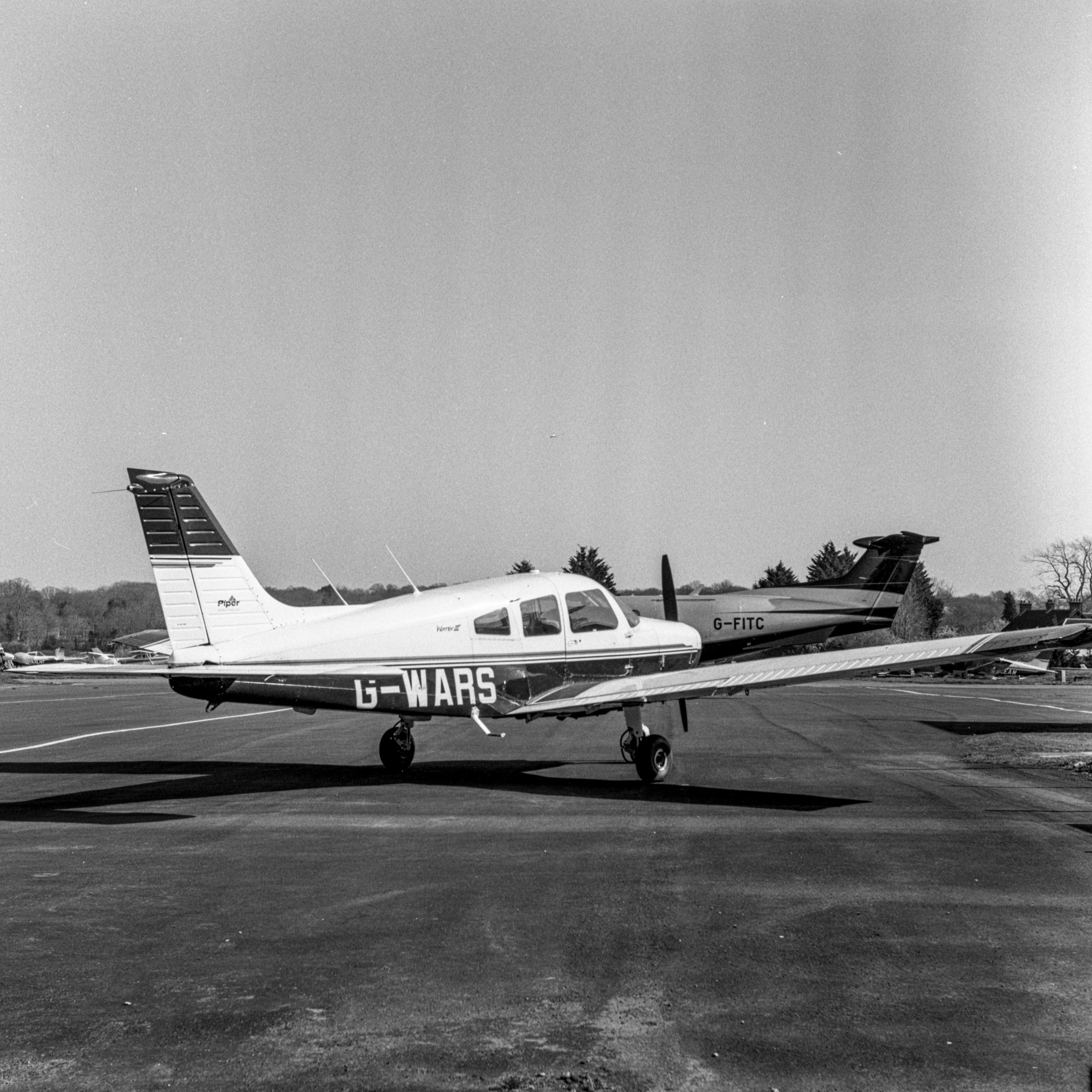
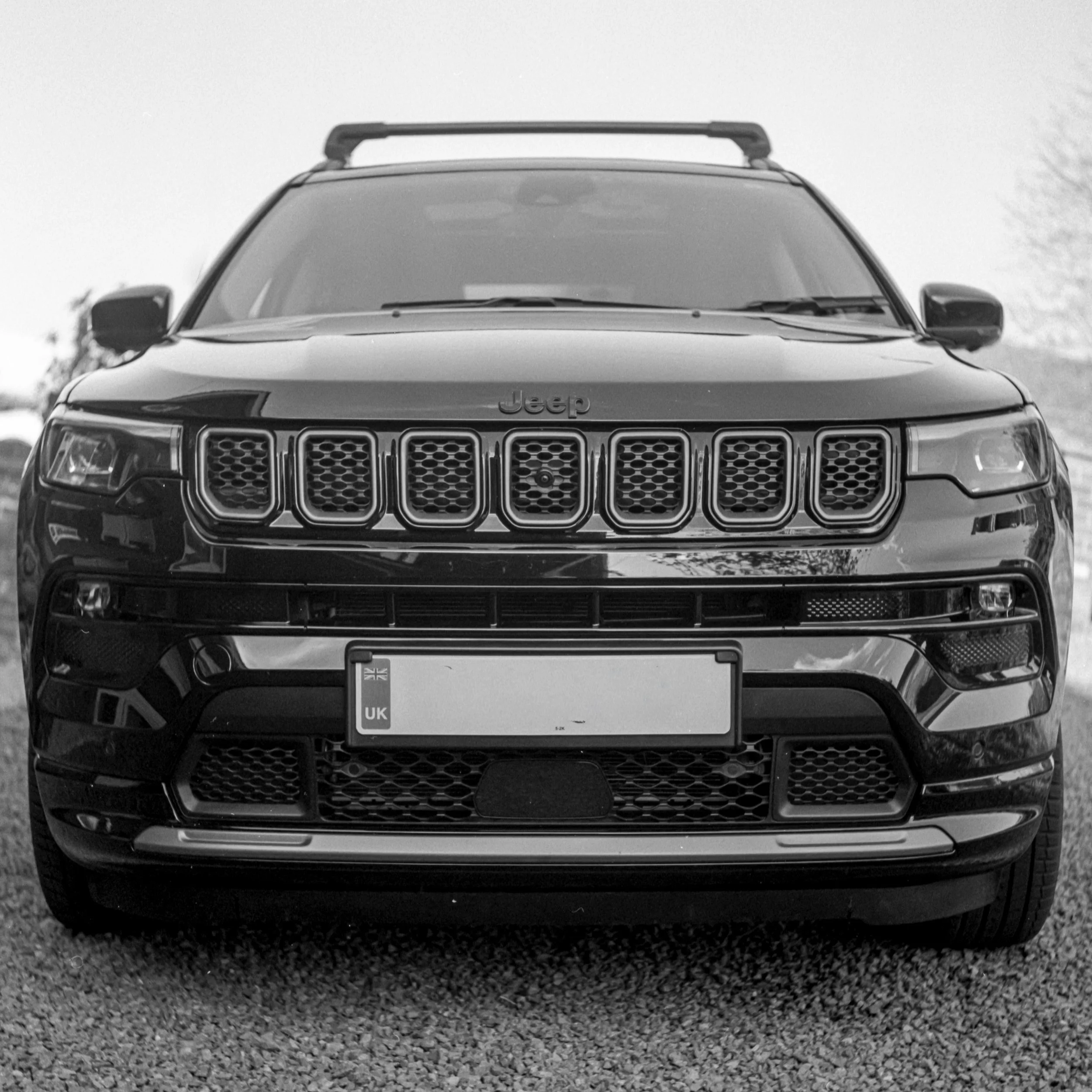
A resounding YES!… It’s actually much better in Medium format. I’ve always thought HP5 is a bit too grainy for my taste. A bit like an unrefined version of Kodak Tri-X and also a bit flat.
With very little tweaking, I was able to make the images both sharp and nicely contrasty which I was really pleased with.
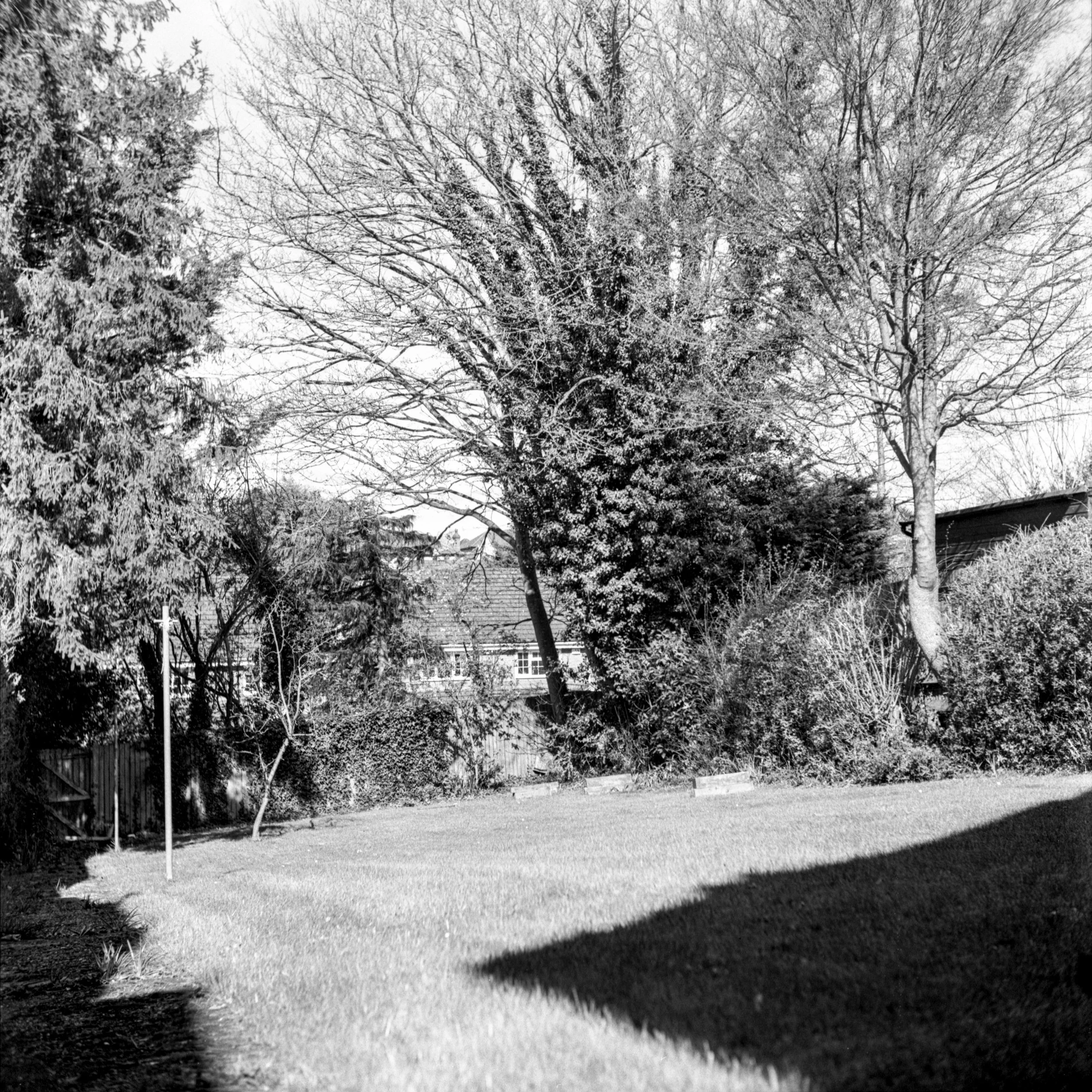
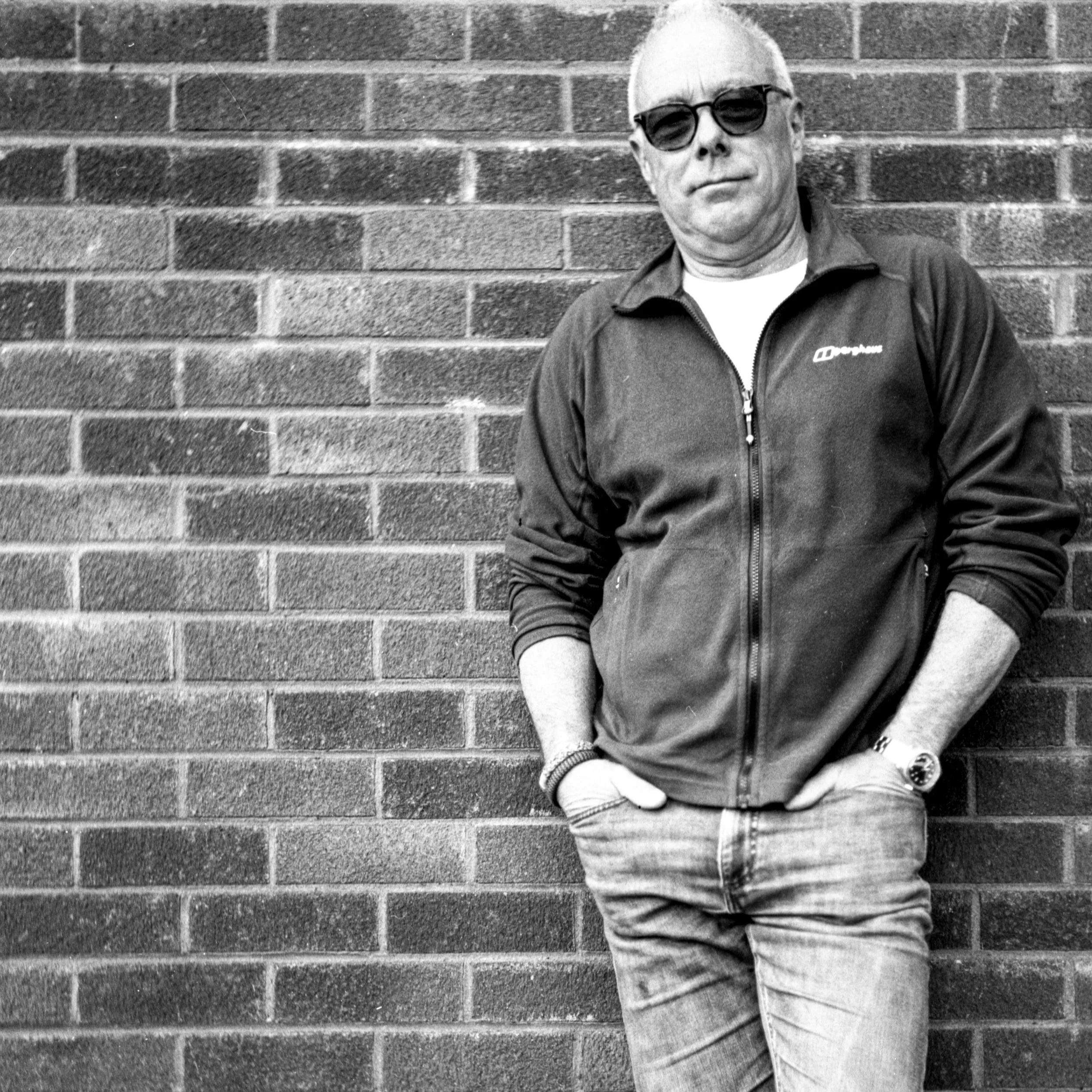
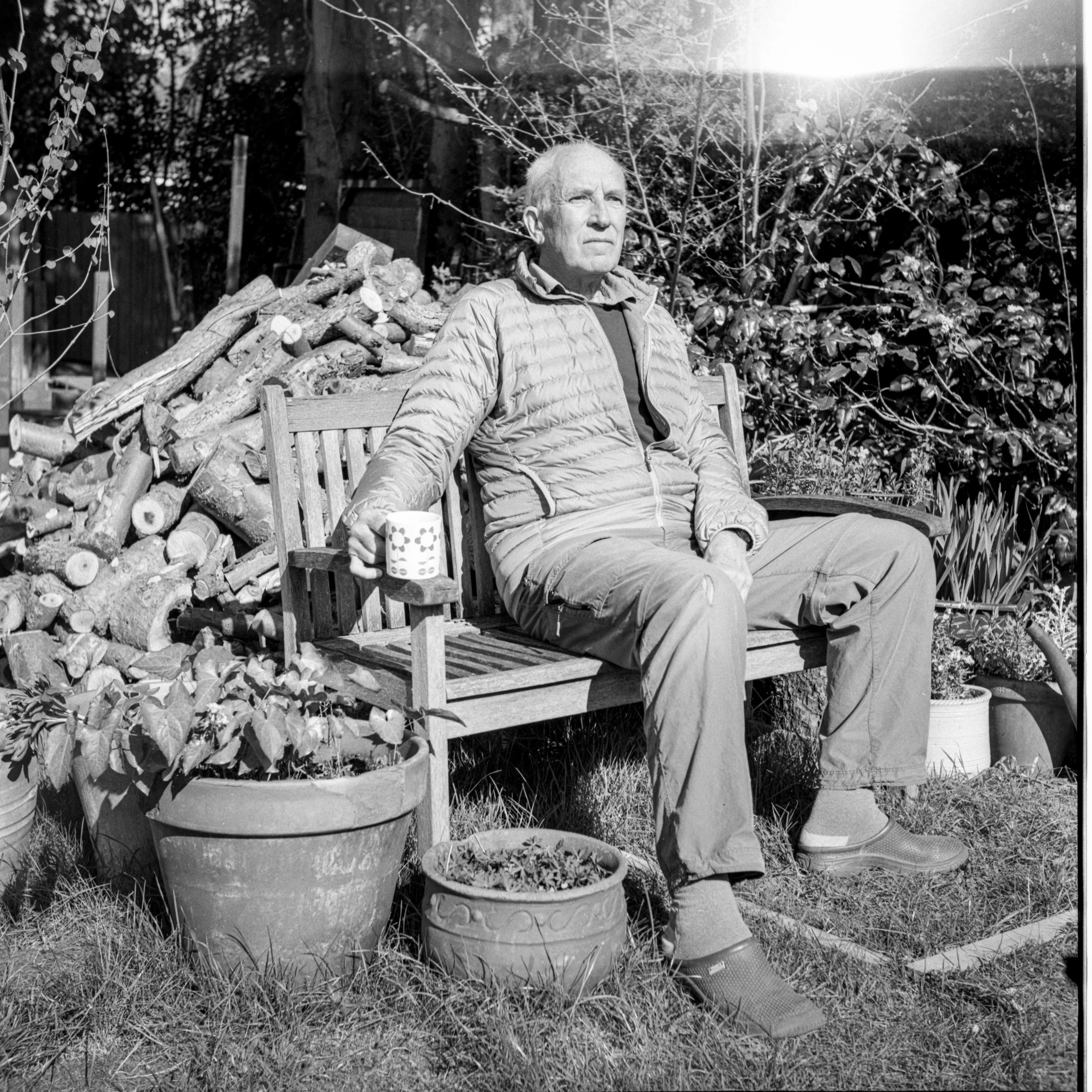
Printing
The second thing on my photographic wish list for 2026 was to print more of my work.
At the photography show earlier this month, I purchased a small canon 4” x 6” photo printer. It was rather impressive for not a lot of money and there was a deal to be had with enough paper and ink to keep me going for some time.
Having successfully scanned my images and processed them to my liking, I printed some out.
A couple of the shots was of my neighbour in his garden. Pleased with the results, I took a couple round to give him as a gift which he enjoyed.
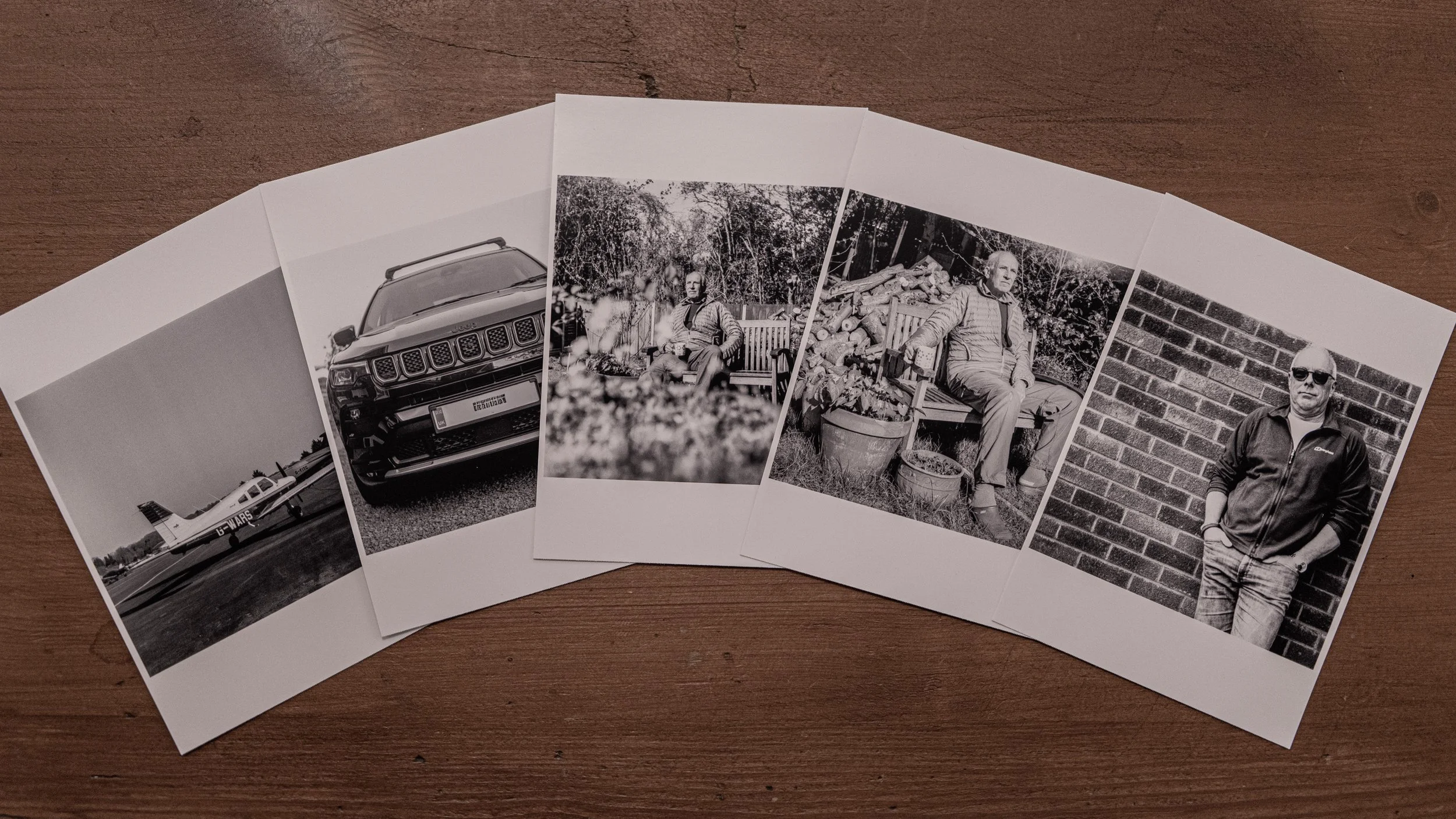
A handful of the printed images - a good day of film photography
Summary
All in all, it’s been a very successful exercise. I’ve really enjoyed shooting the Yashica TLR camera. I like the waist level view finder and framing the square photos. I’m really impressed with how HP5plus came out in medium format. In my opinion, it’s way better than how it looks in 35mm and I’d happily use it again.
If HP5plus is this good, I can’t wait to try other of my favourite films like TMAX, ACROS II and FP4 and seeing how they come out.
Happy now that this camera is working really well, I’m also happy to buy and try some colour film. It would be amazing to try some of the quirky films like Cinestill 800T, or Phoenix version I.
With only 12 shots, it’s less time to wait until you get through a roll but the process of using a TLR really slows you down too.
It’s very easy to get double exposures because winding the film on and cocking the shutter are two separate actions, which must both be performed. Of course if you intend to shoot double exposures which I have experimented with on this camera, then this is also good fun.
I tried when I first tested the camera on 35mm, but also got one accidentally this time. It would be great to do this on purpose and plan something cool. Watch this space and I hope you enjoyed the blog?