
A sense of purpose
During the last three months, I’ve been busy doing a lot of different photography through travel, assignments and personal projects. Whilst some of this has been a continuation of establishing where I’m going with medium format photography, regular (full-frame) digital and a ton of film photography has heavily featured in my work too.
Everything in my photography kit and workflow has to have a place and a sense of purpose. Exploring new technologies and formats is a lot of fun and part of the journey which has helped me compartmentalise different kit and formats into specific applications. Understanding how my kit works and where it is best applied, allows me to fulfil my own sense of purpose and get on with the important bit, taking photos.
Non-Technical Overview
For those who are interested but don’t understand the different formats, this is a simple, non-technical overview…
There are two main formats used in photography, digital or film. One is entirely electronic using a sensor behind a lens which creates electronic images that you view on your smartphone or computer.
The other is film photography which uses a chemical process on celluloid film that reacts to light to form images that requiring developing, processing and printing (or digitising) so the pictures can be viewed.
Obviously, digital photography is more convenient, but film in my opinion has far more character.
Once you have selected digital or film, size formats relate to the physical dimensions of the digital sensor or film plane.
A full-frame sensor is similar in dimensions to that of 35mm film. Many camera sensors are smaller than full-frame. A full-frame sensor is considered to have a 1:1 crop factor which means a 35mm lens gives a 35mm field of view. On an APS-C sized sensor which is smaller, a 35mm lens gives a tighter 50mm field of view and the crop factor is said to be around 1.5:1
The digital sensor has millions of light collecting points on it referred to a megapixels. The more megapixels, the more detail you can resolve. The more megapixels you cram on the sensor, the smaller they need to be which makes them less light sensitive.
The larger sensors can obviously have more megapixels, but they also generally have larger pixels too which are more light sensitive than those on smaller sensors. (Being bigger they collect more light). Film operates in a similar way but using chemistry.
Larger sensors or films are historically associated with professional photographers requiring sharper or more detailed images. In truth, even the smallest sensors found in smart phones, can create pleasing images, but you wouldn’t use them for an advertising campaign for images plastered on the side of a bus.
The table below shows the relatively different sizes of digital sensor.
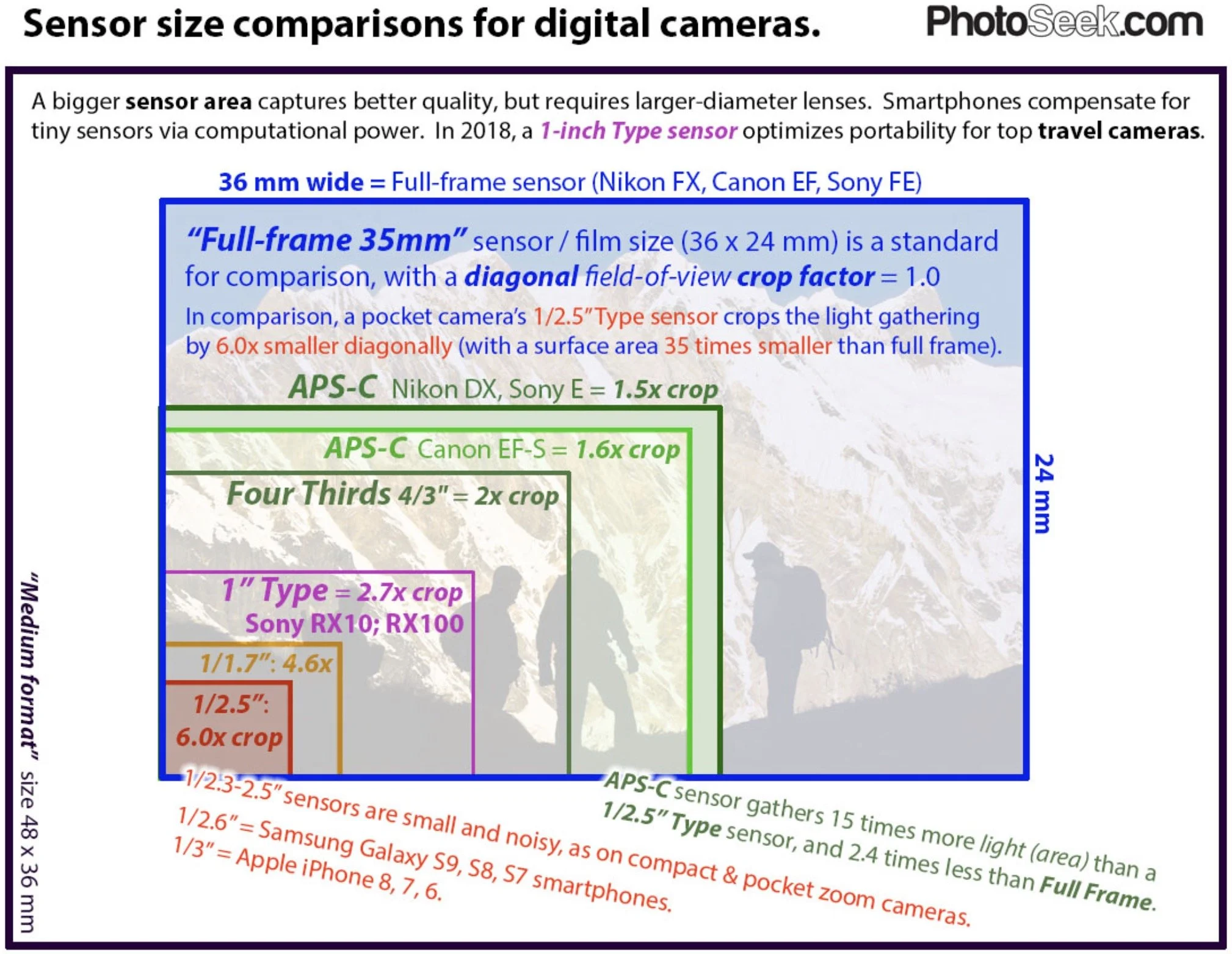
Image credit - photoseek.com
Finally, choosing colour or black and white is a personal choice and each brings a different feel to the images.
Colour is what the human eye sees and can provoke memories or transport you back to a memorable scene.
Black and white images eliminate distractions from colour (like a guy in the background with a red shirt on), it enables the photographer to draw the viewer’s eye to the chosen subject using light, shadow, leading lines or creative effects such as blurring of the background.
The following sections cover different formats I’ve been using over the last three months.
Medium Format
My digital medium format camera creates monster 102 mega pixel images that are 200Mb in size. These are very high resolution and too big or over the top for most of my photography.
My medium format film camera has a 6cm x 6cm film plane which is huge compared to 35mm film but there are only 12 photos per film versus 36 on standard 35mm film roll making it relatively more expensive to process.
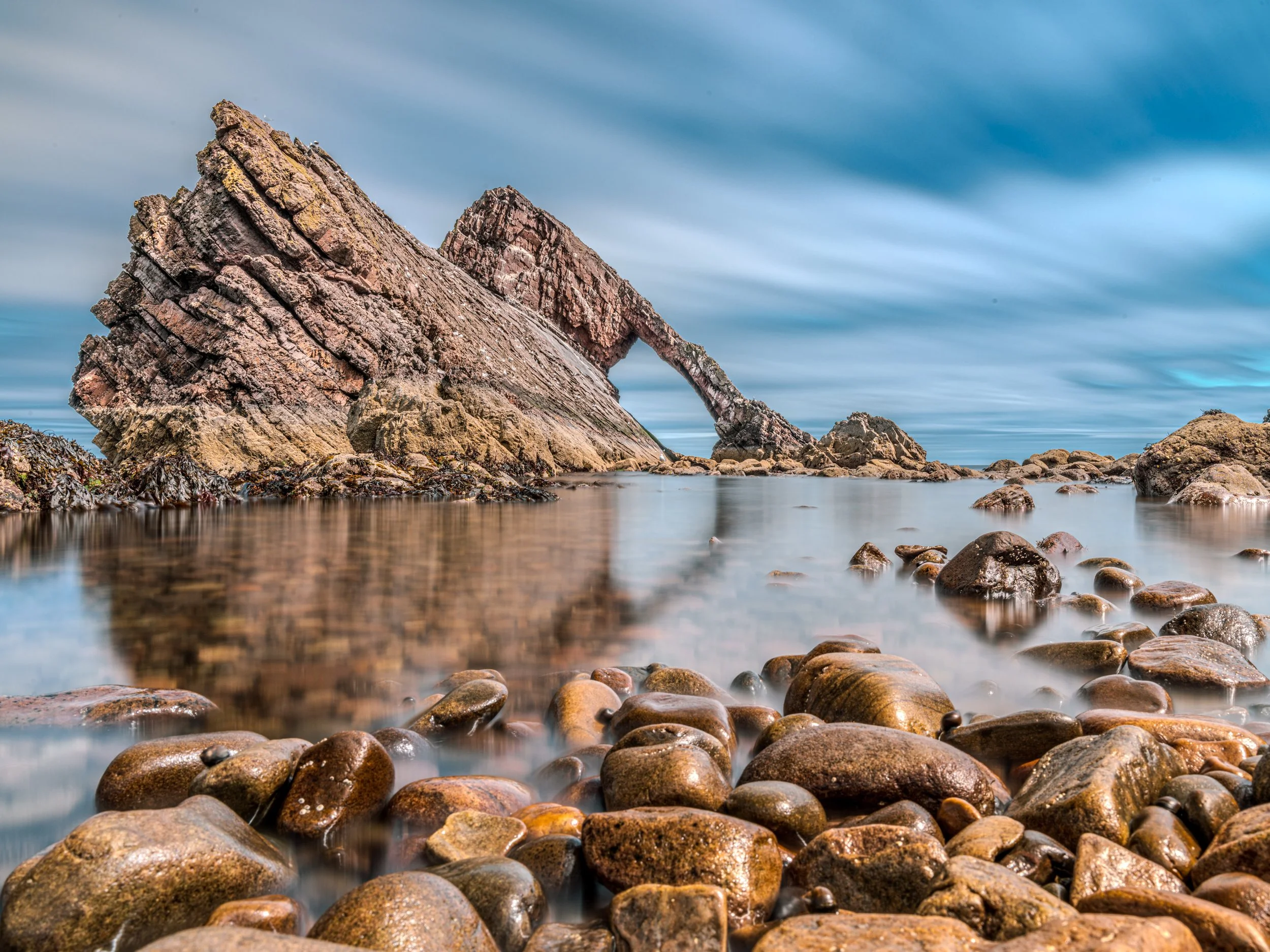
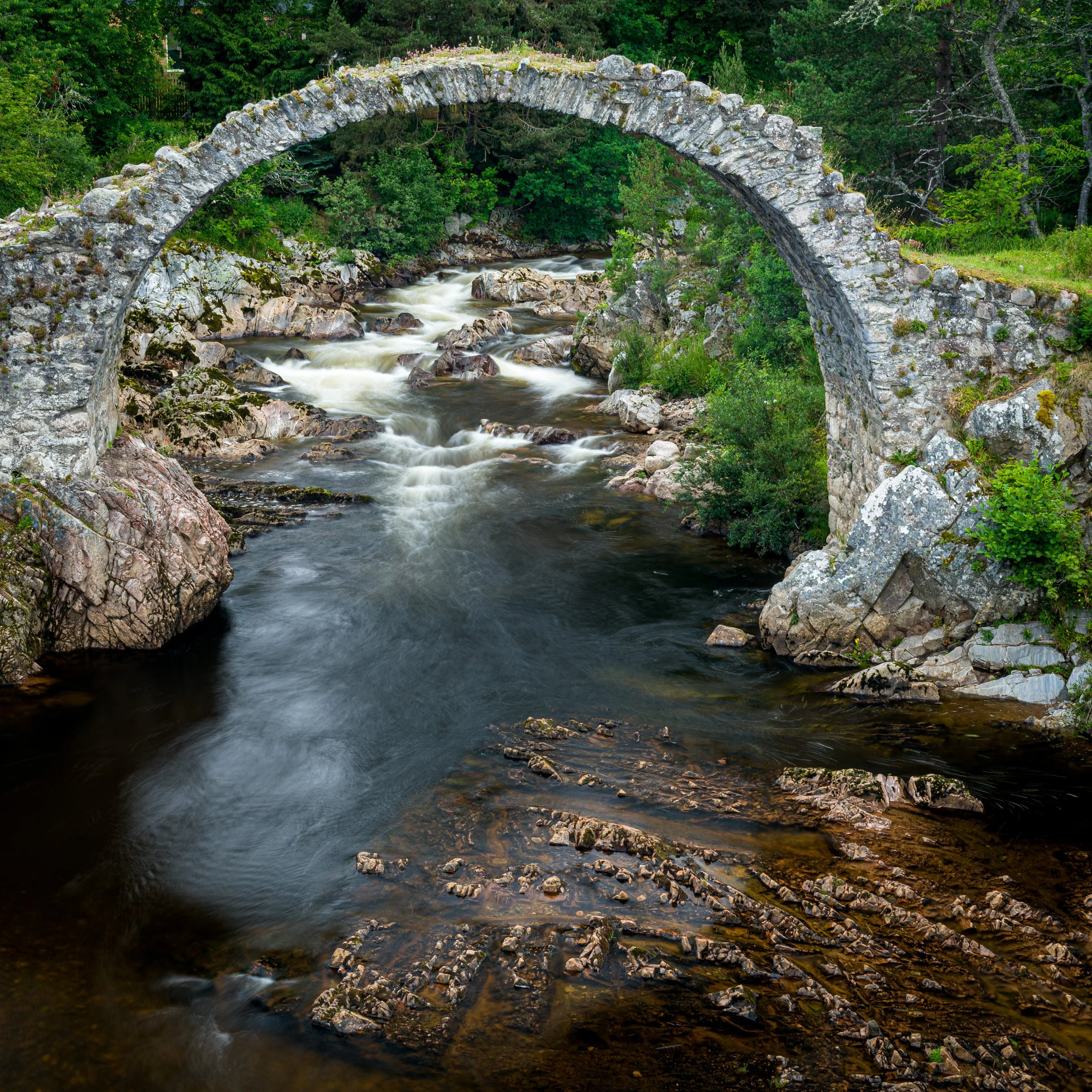
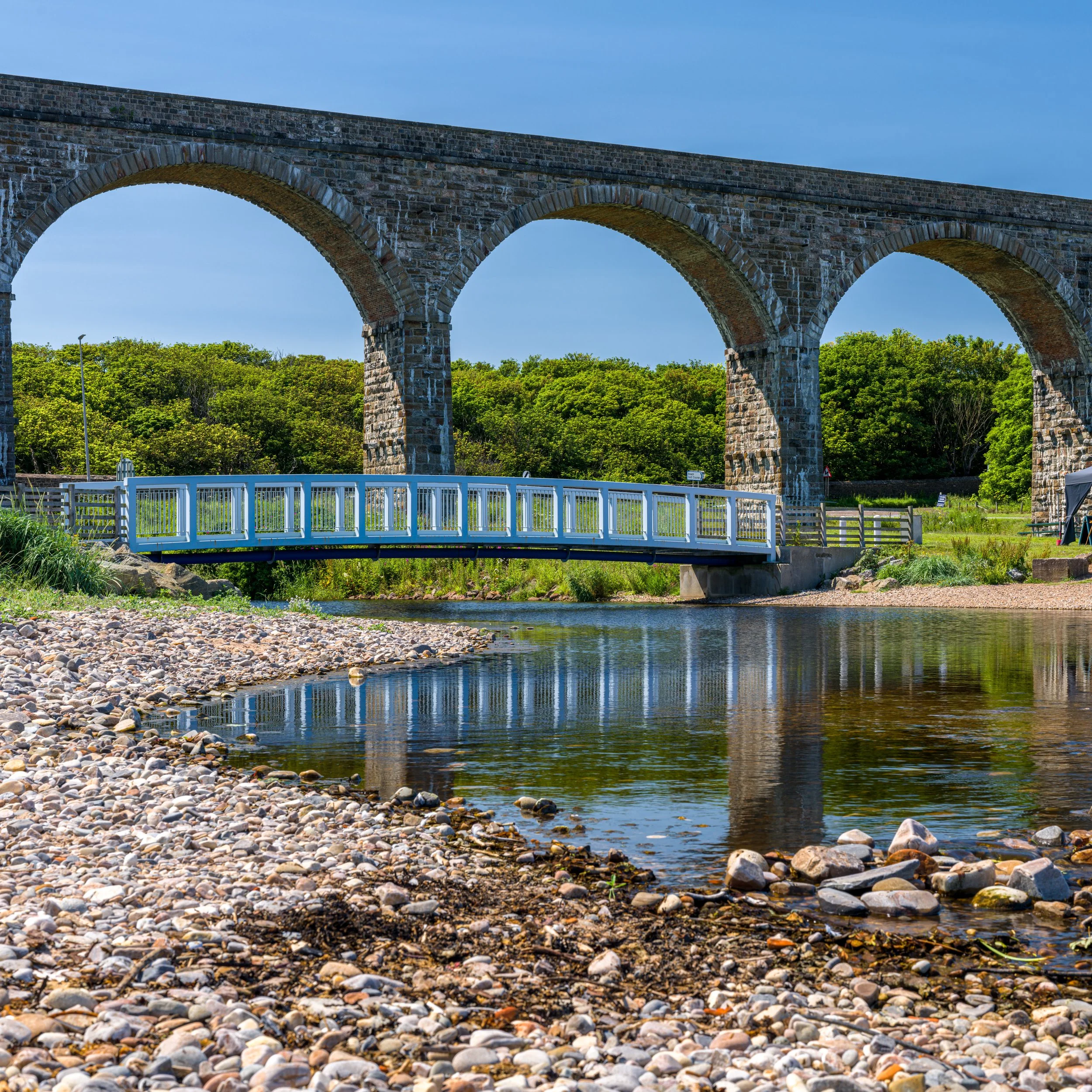
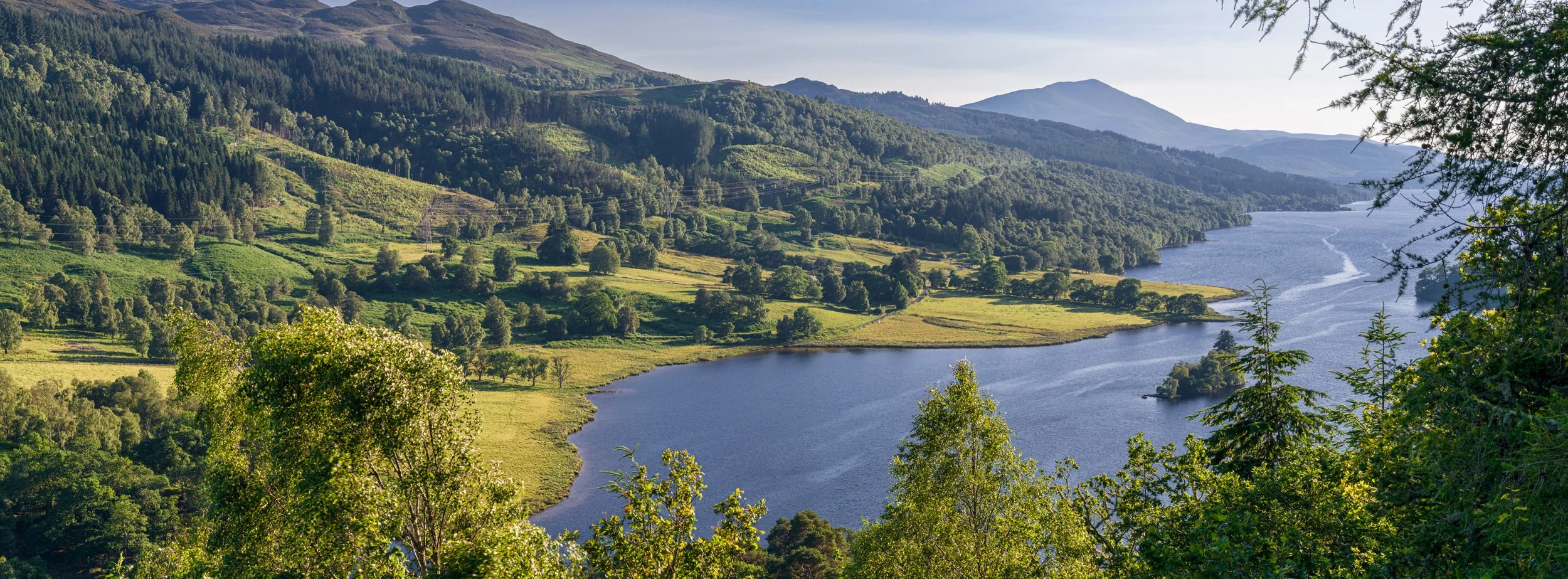
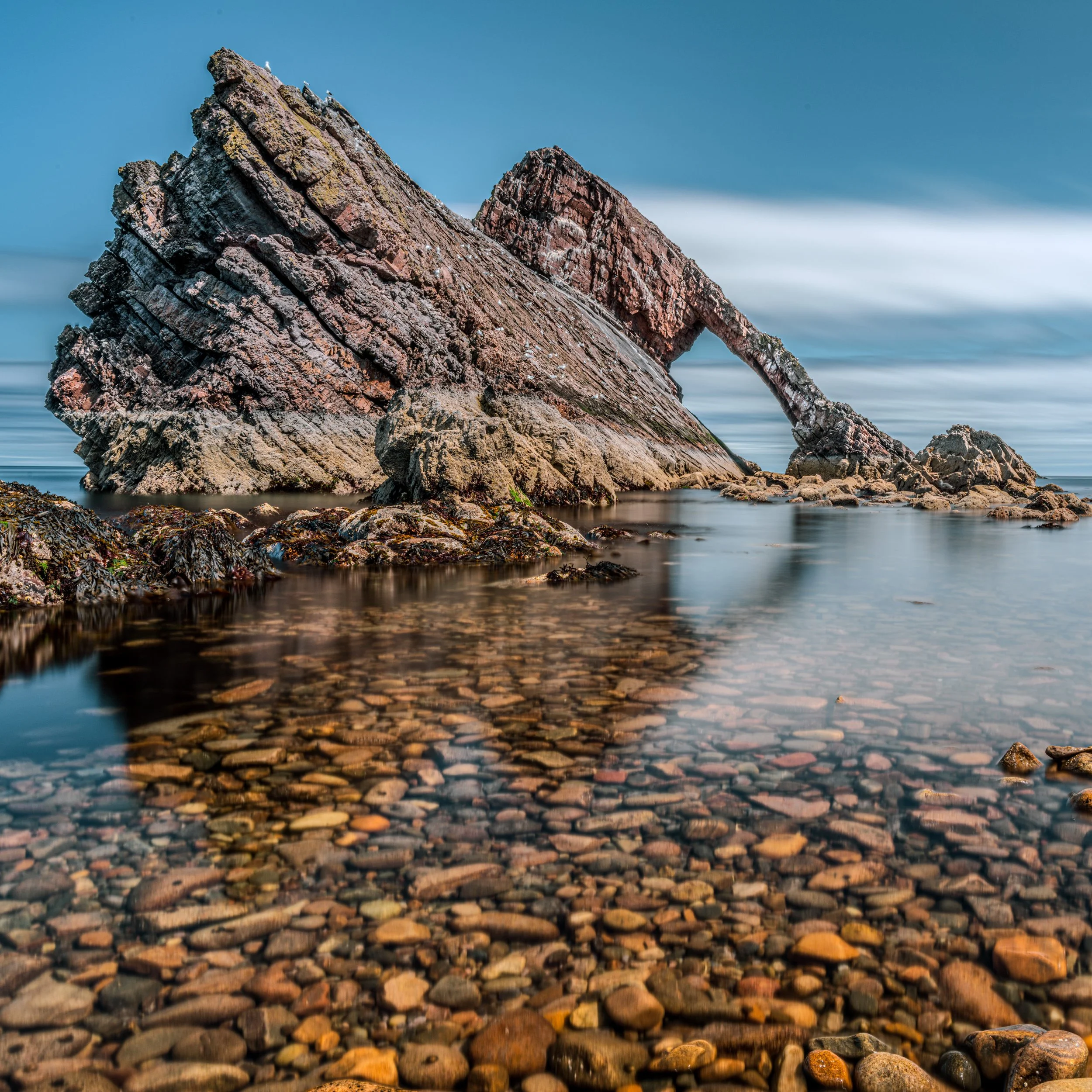
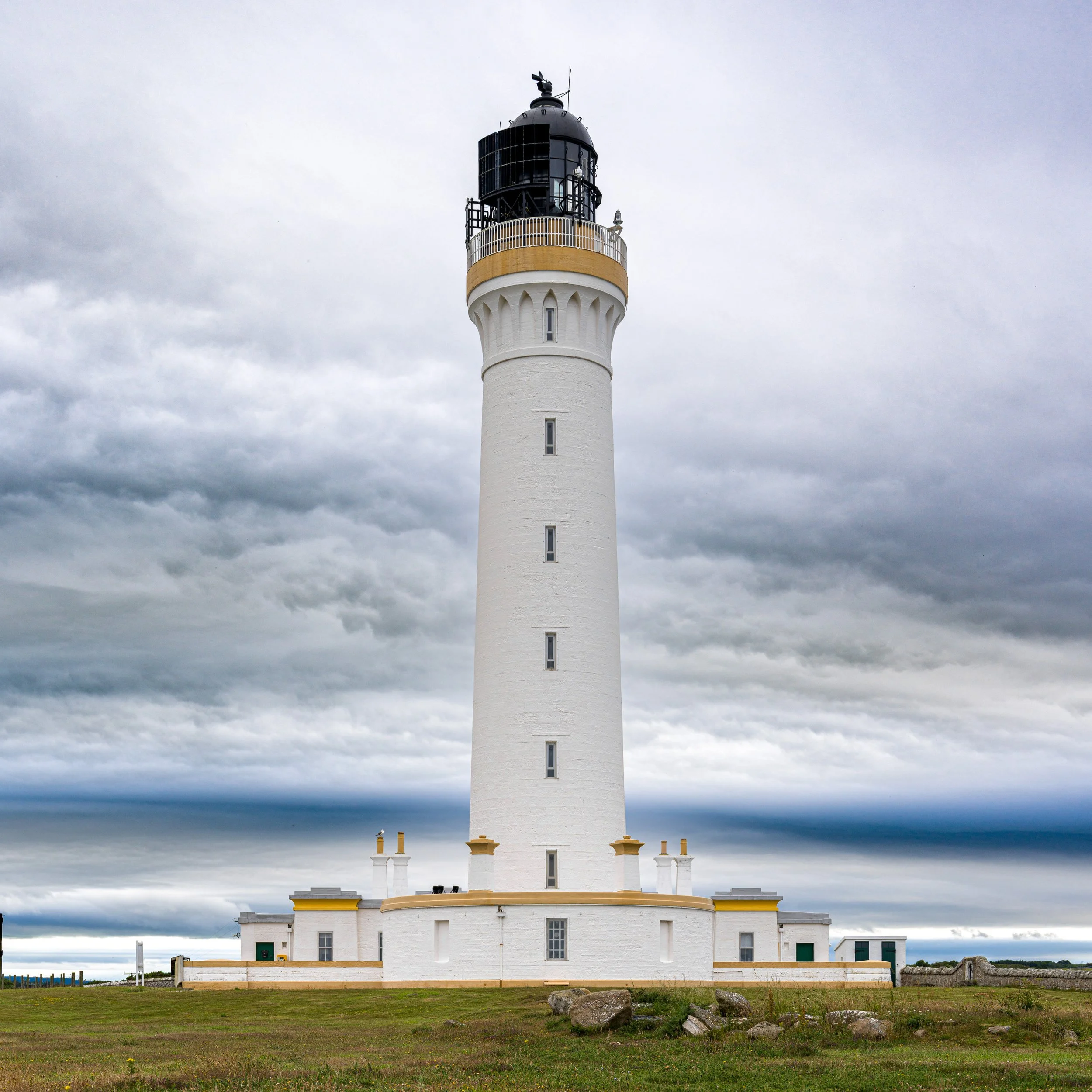
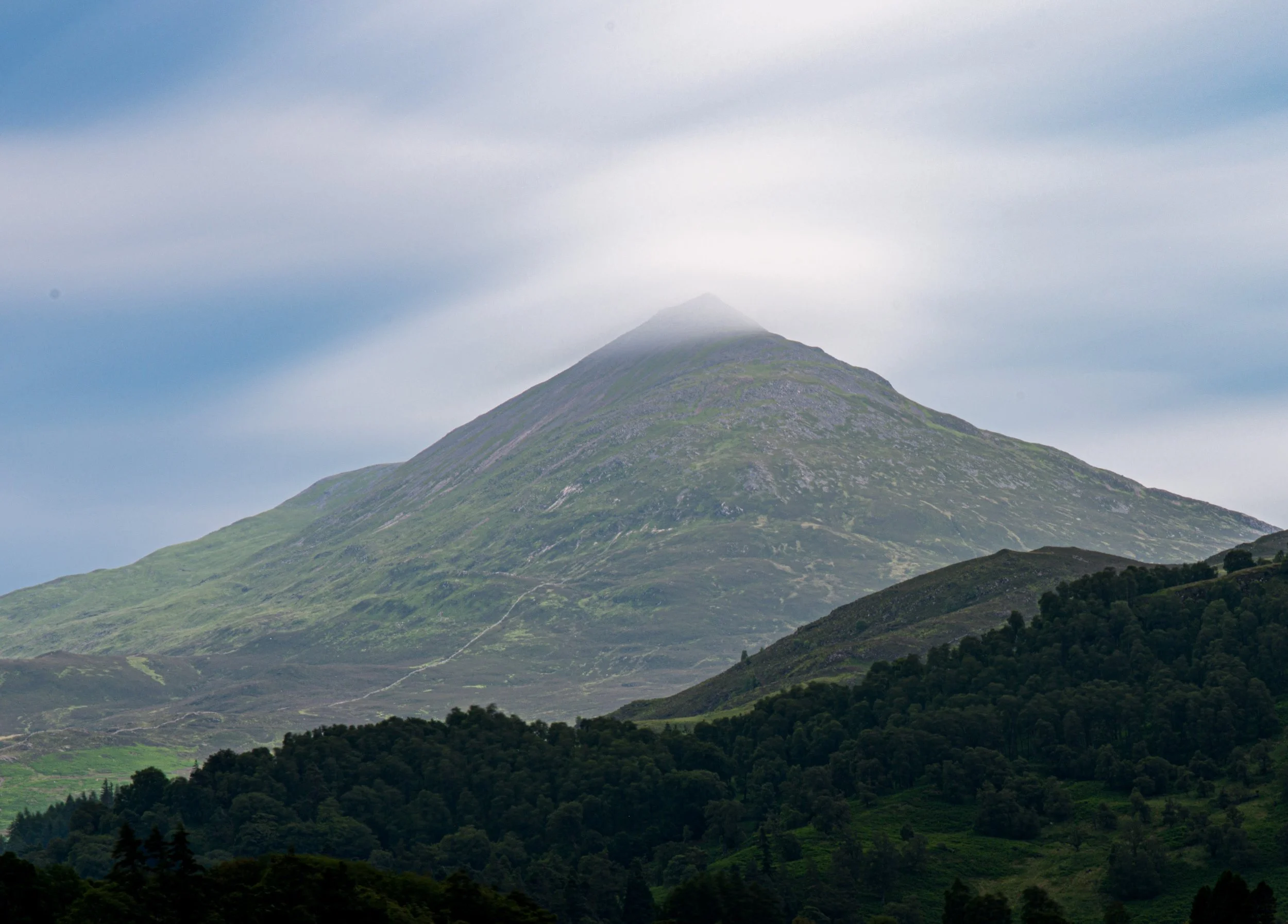
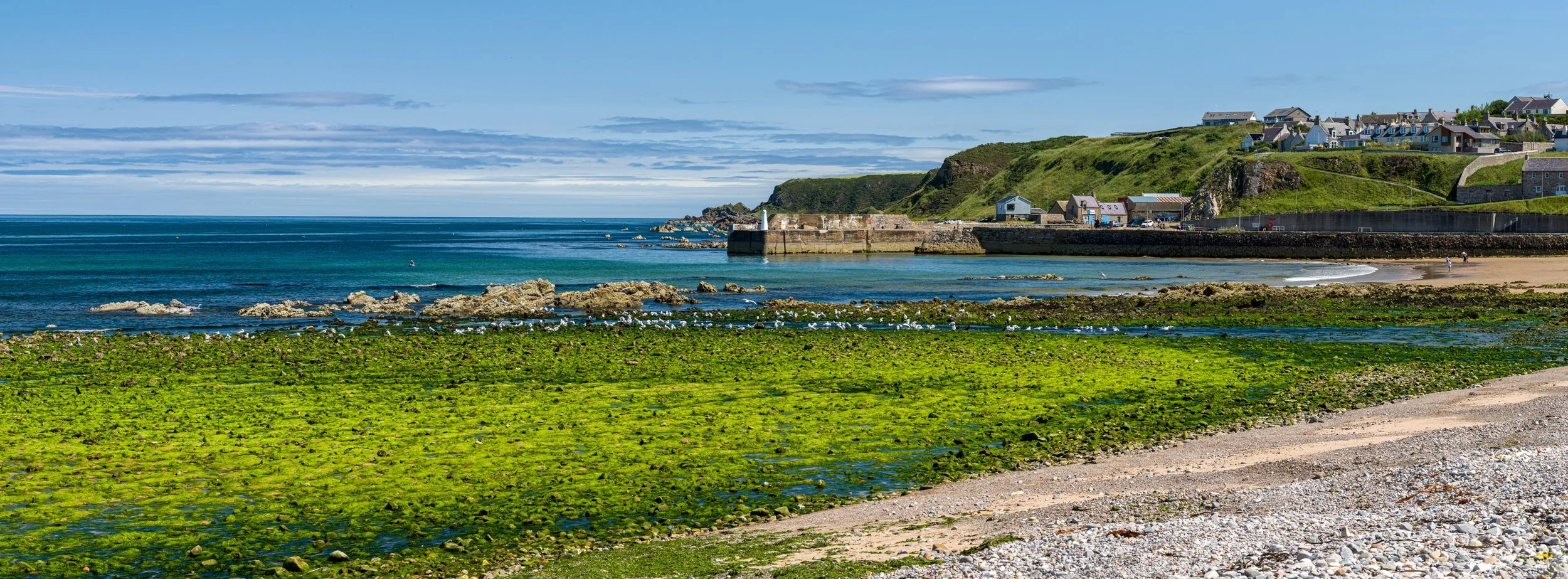
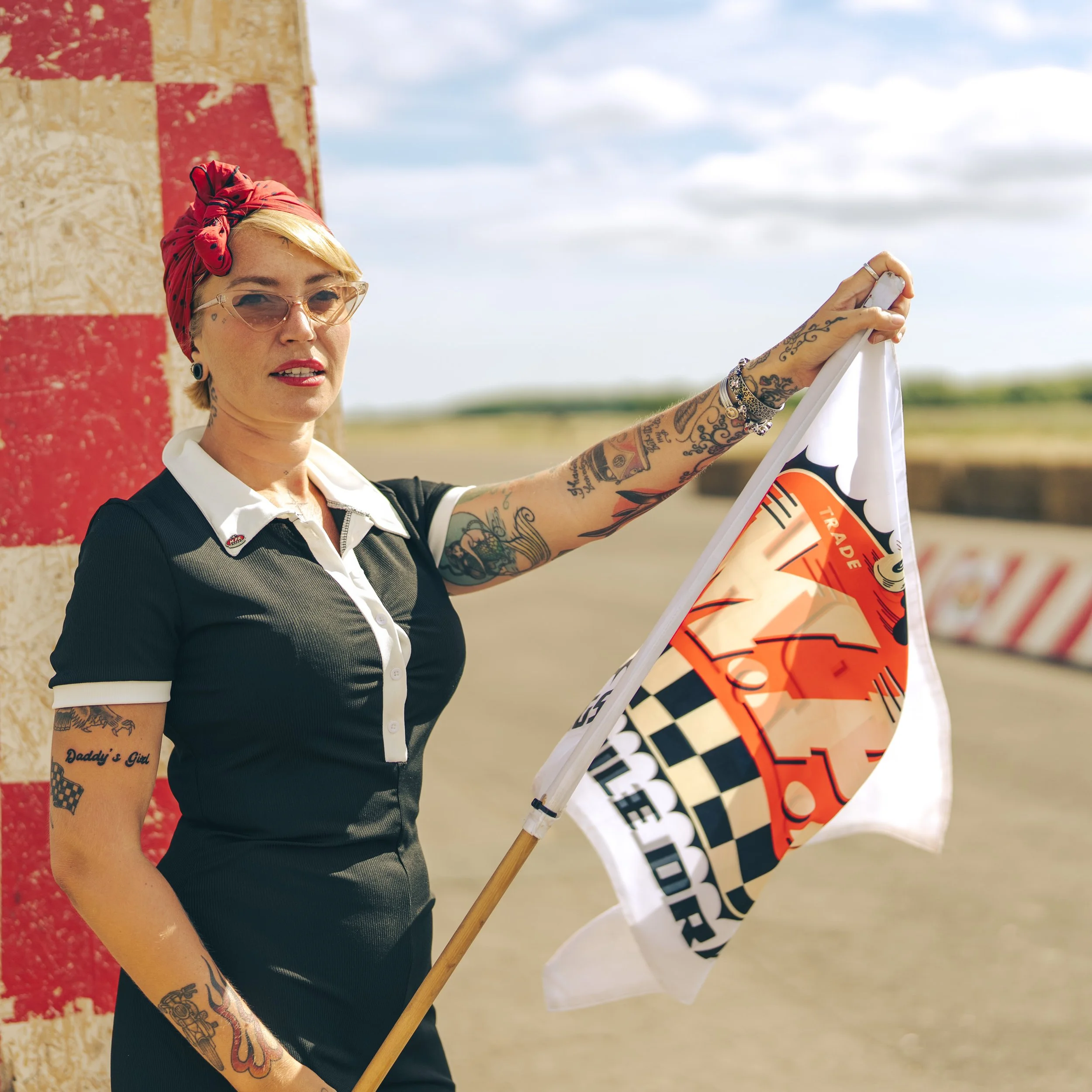
Continuing on my medium format journey, I took another trip up to Northern Scotland with the Hasselblad and managed to grab a few nice landscape and panoramic shots.
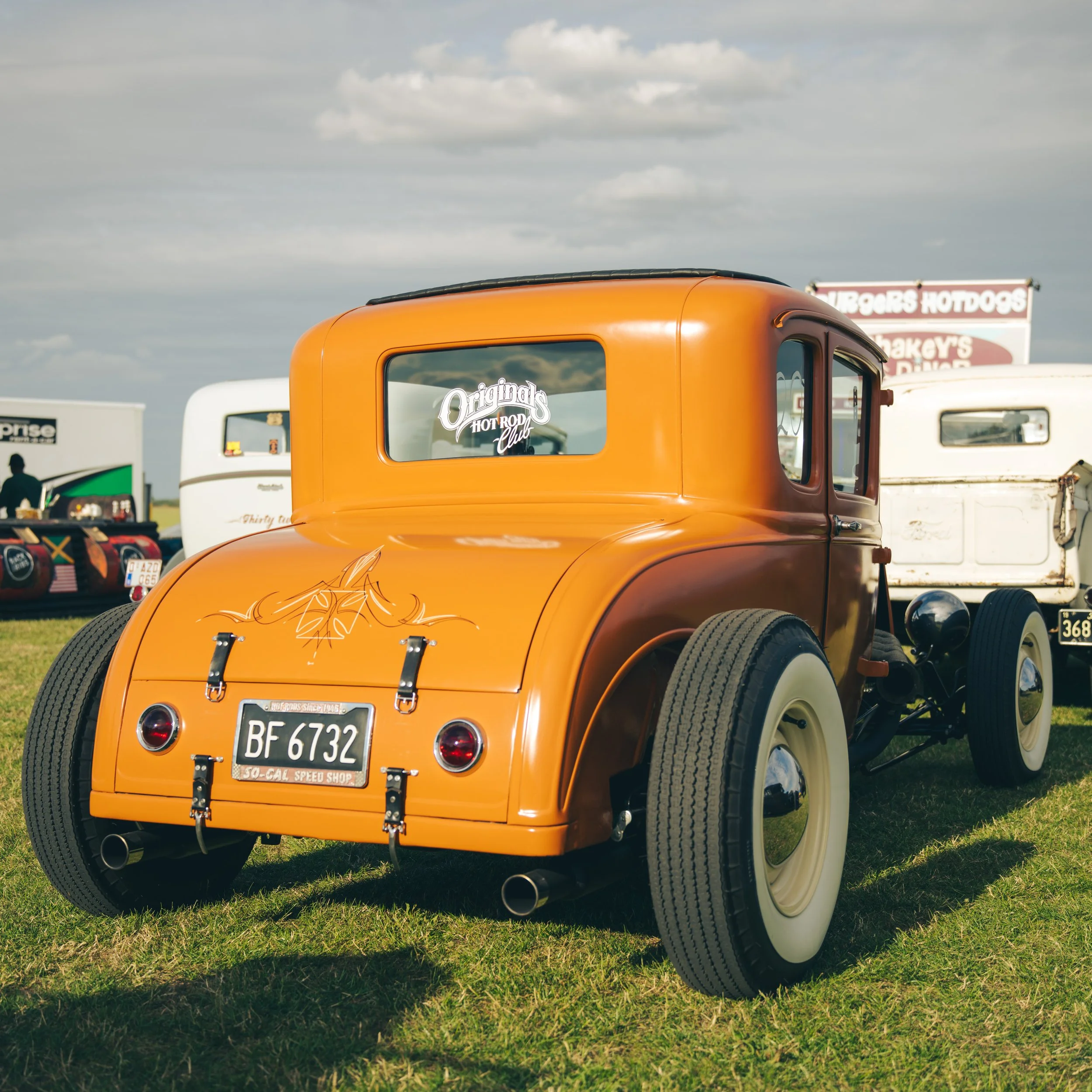
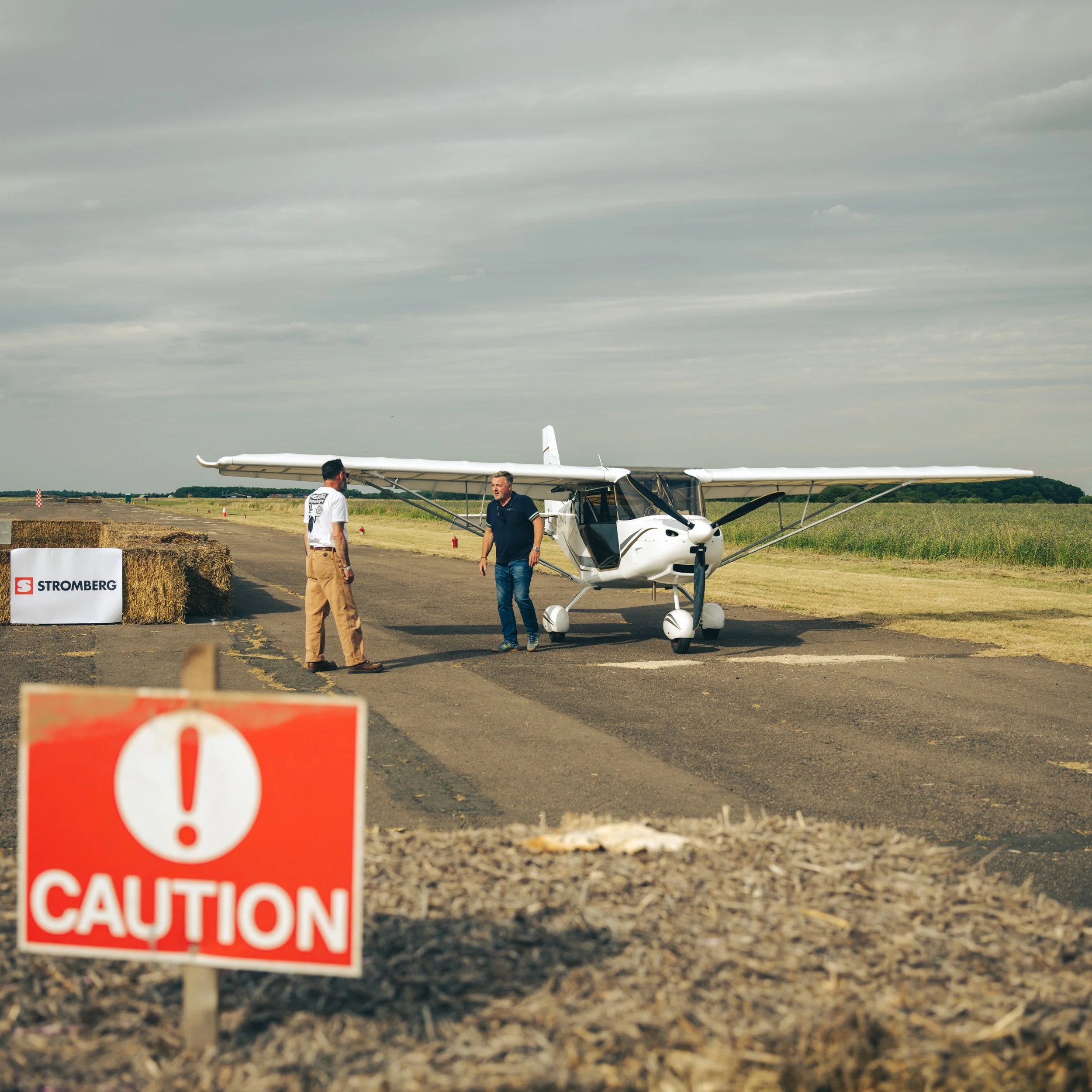
Because I was heading straight up to Scotland after photographing a vintage car race in Northamptonshire, I had the Hasselblad with me so I used it for a few shots over the weekend.
I applied one of my film render presets to the final images taken at the car race and noticed straight away that RAW files on the Hasselblad were really good straight out of camera and needed very little by way of editing. Sony images by comparison usually need a fair bit of work for the right look.
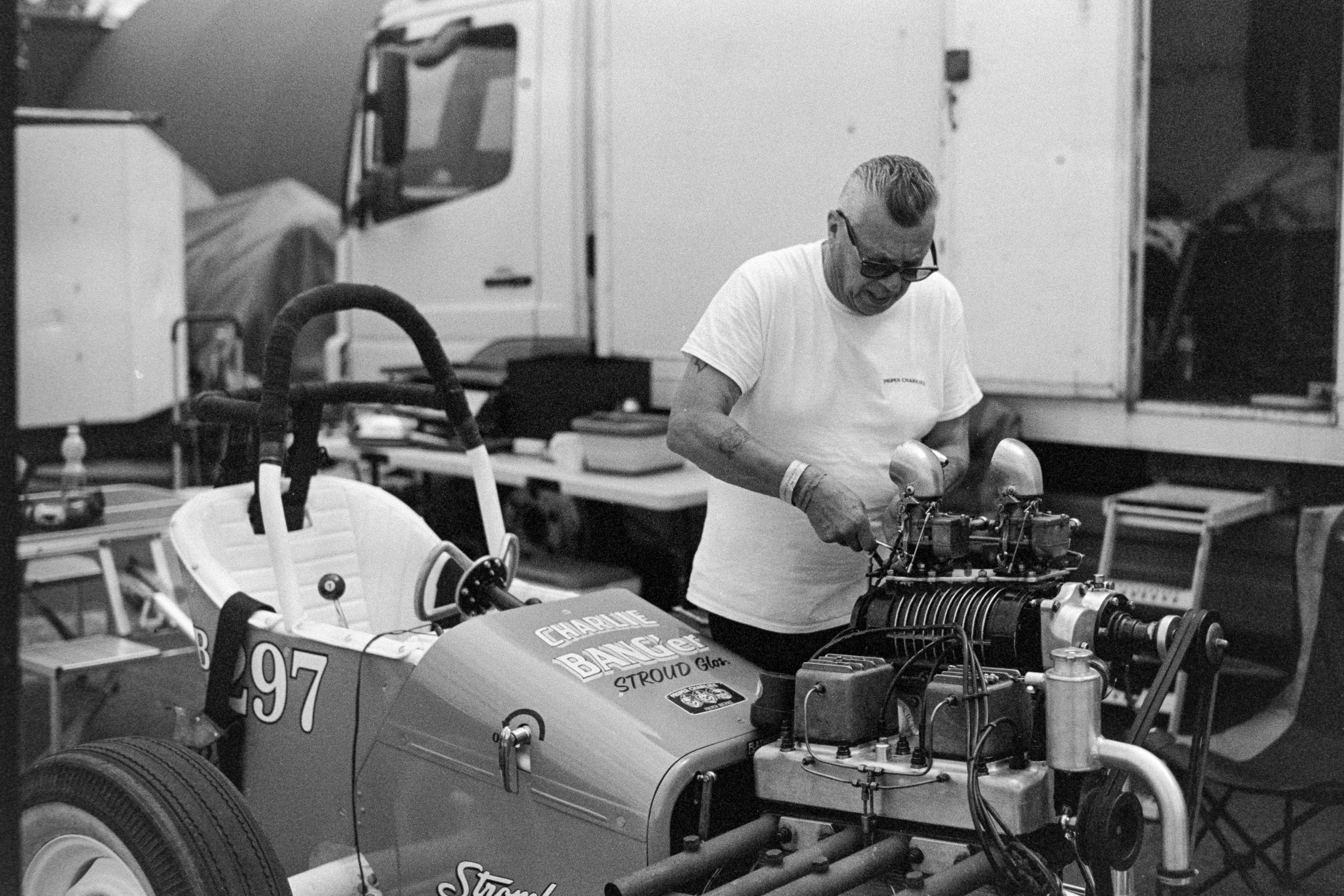
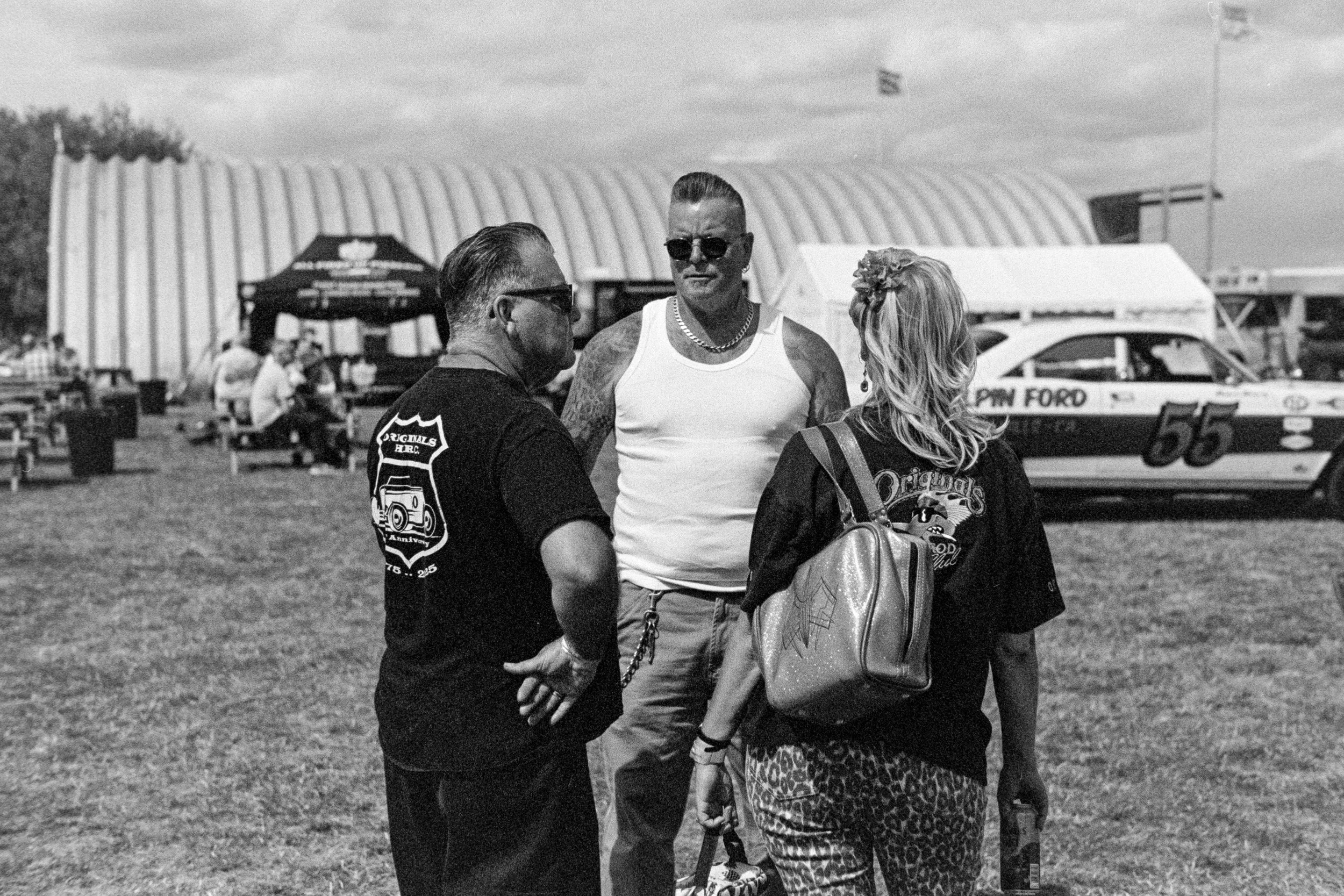
Vintage Cars and the hotrodders in medium format
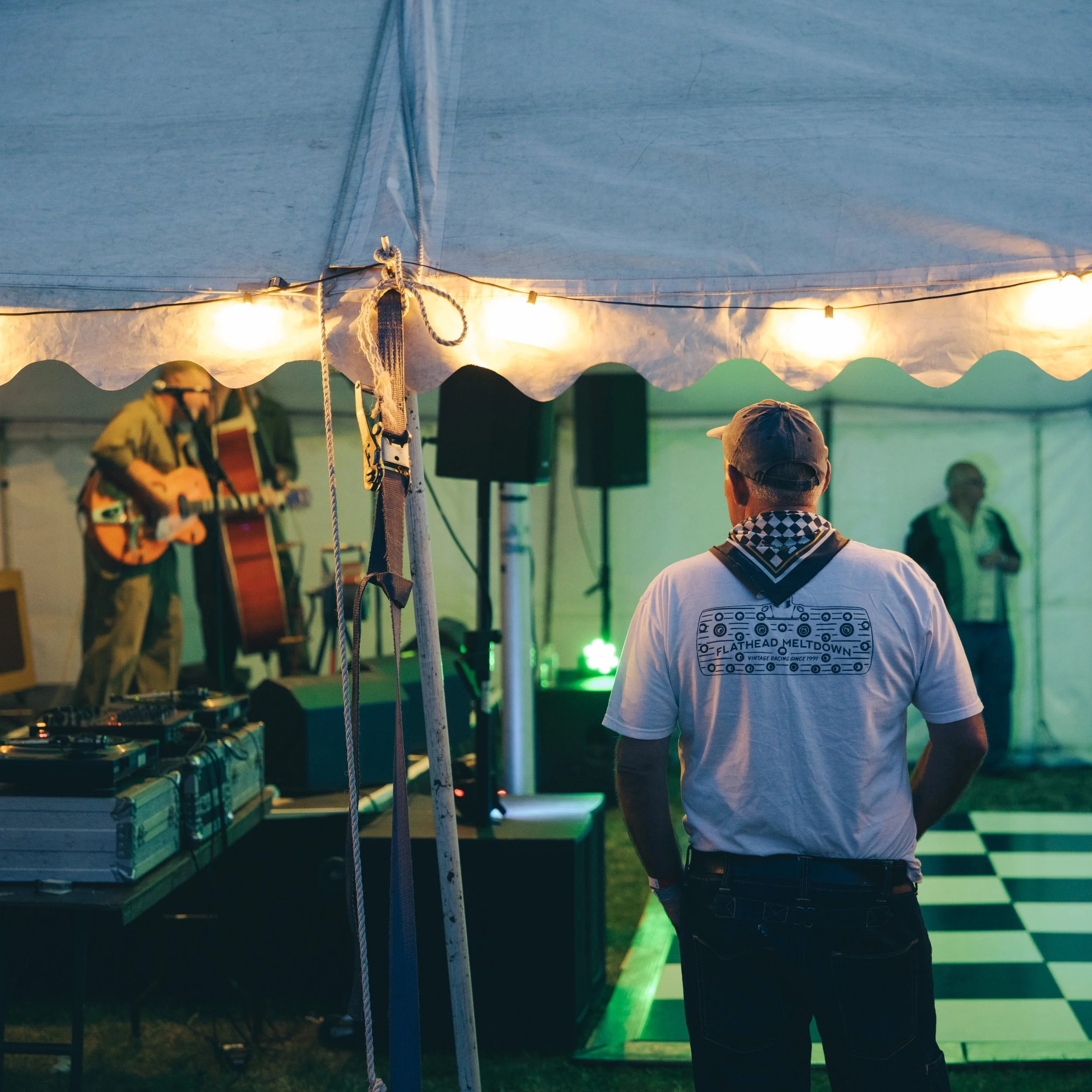

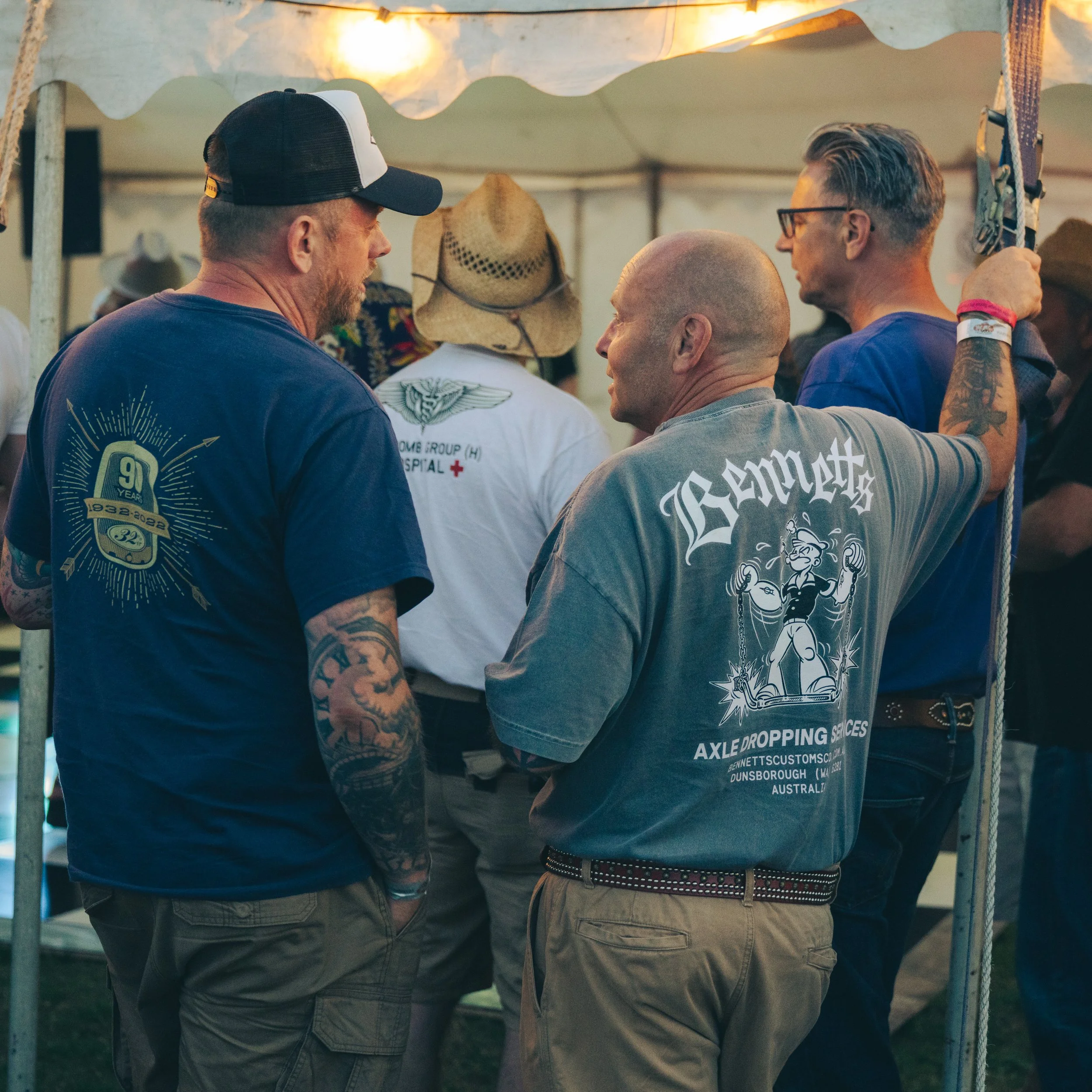
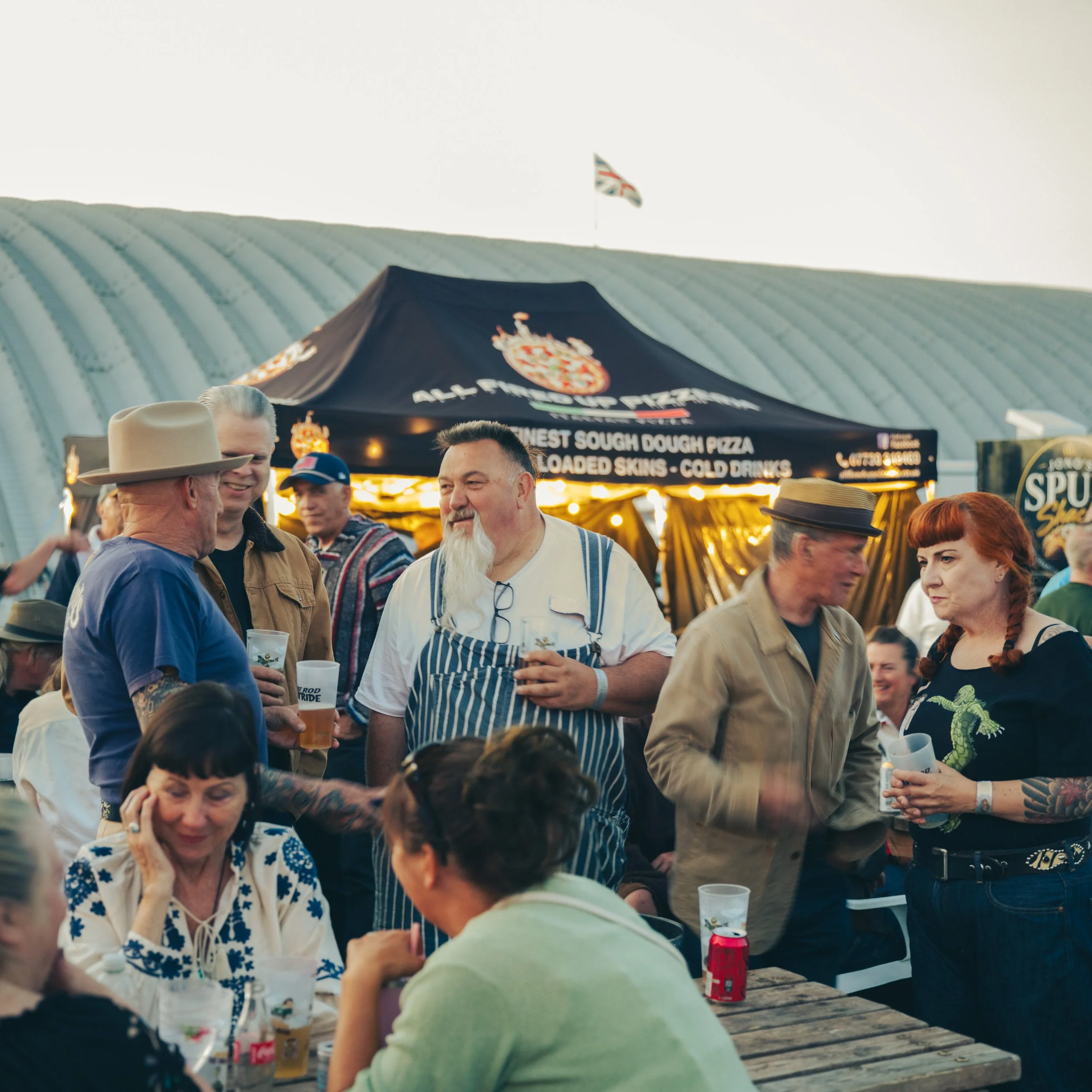
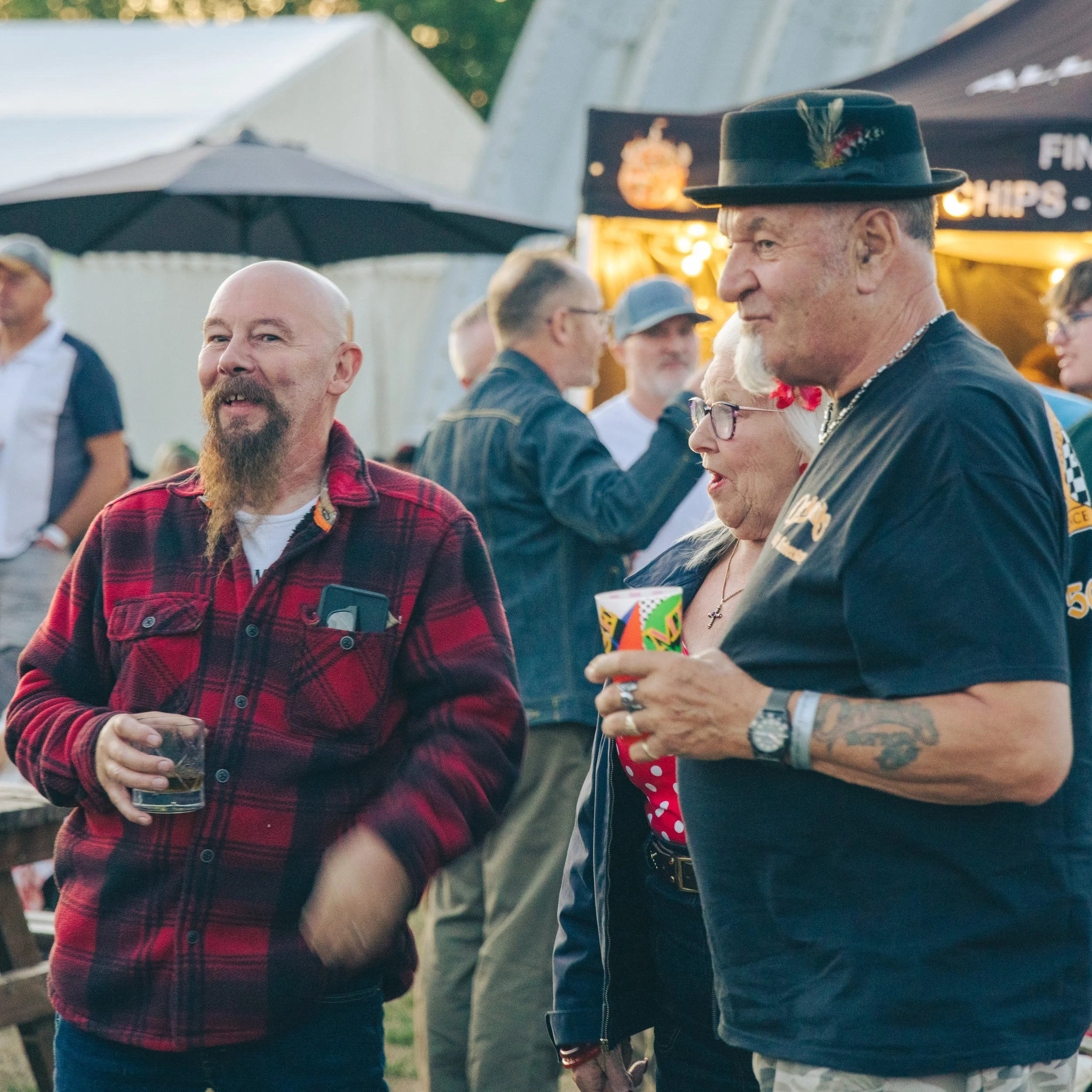
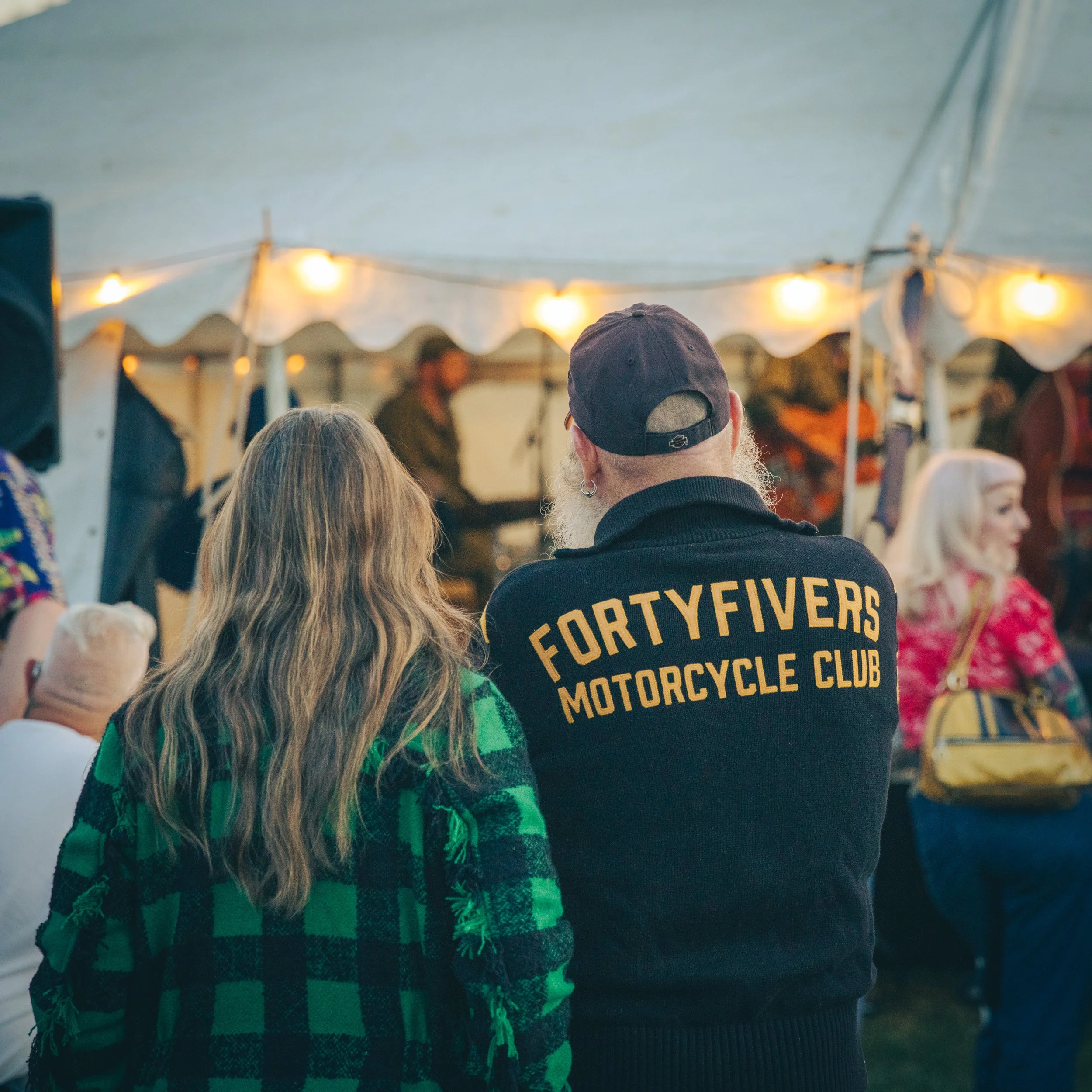

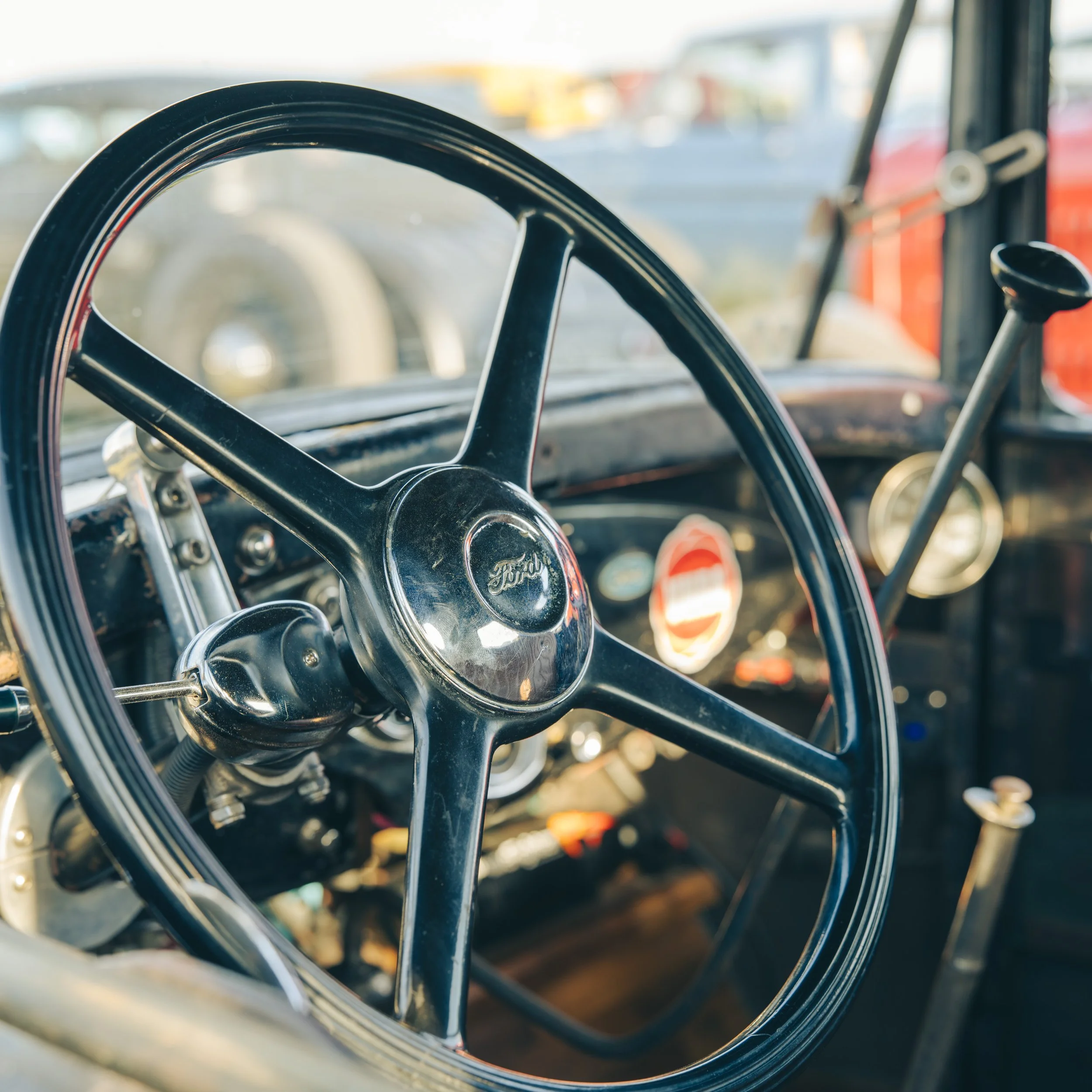
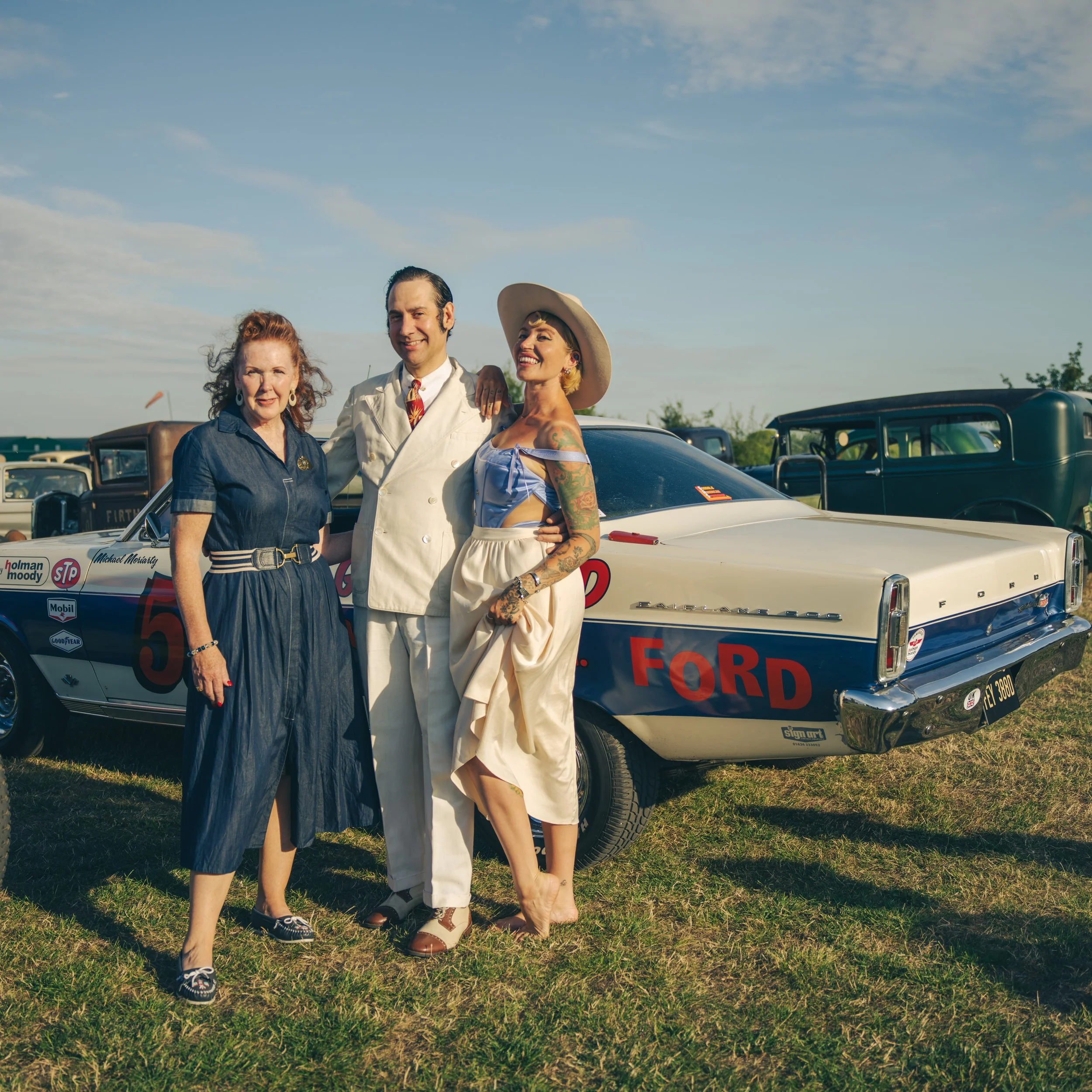

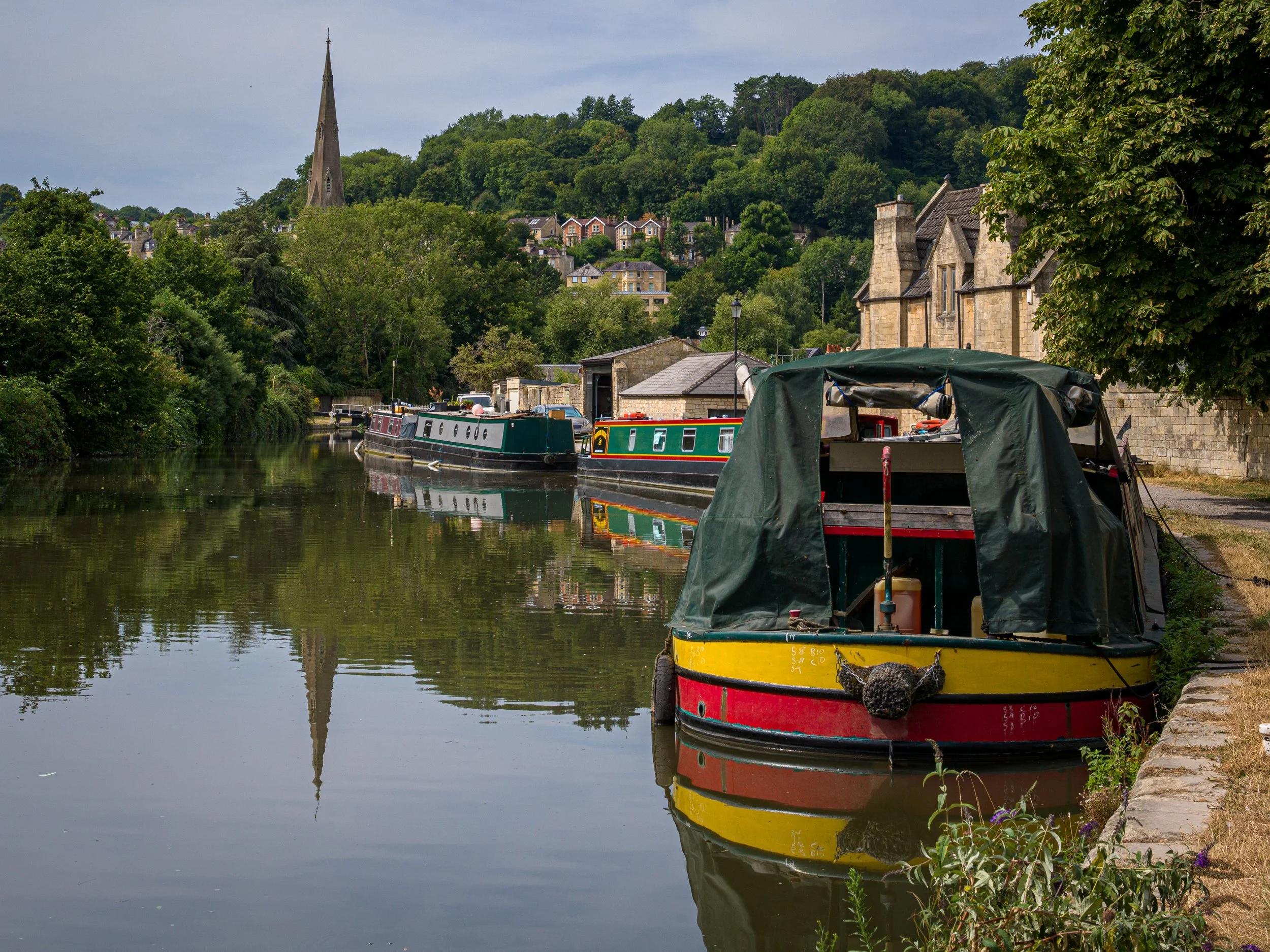
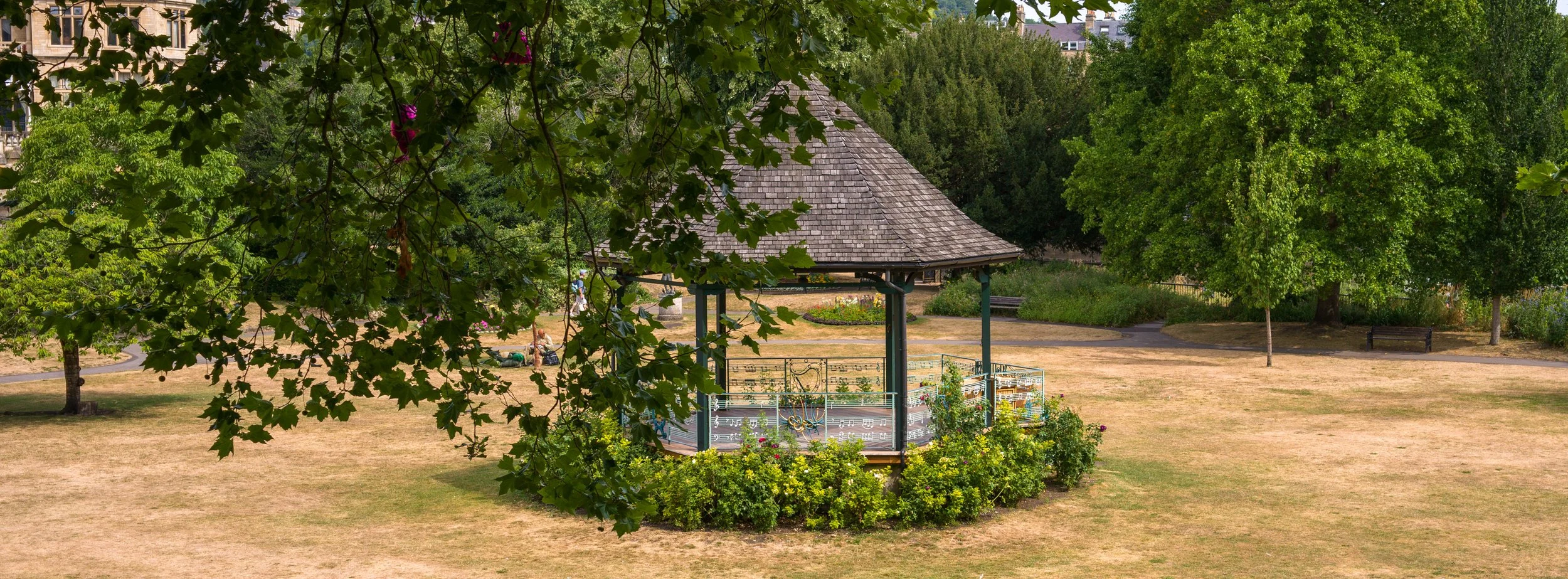
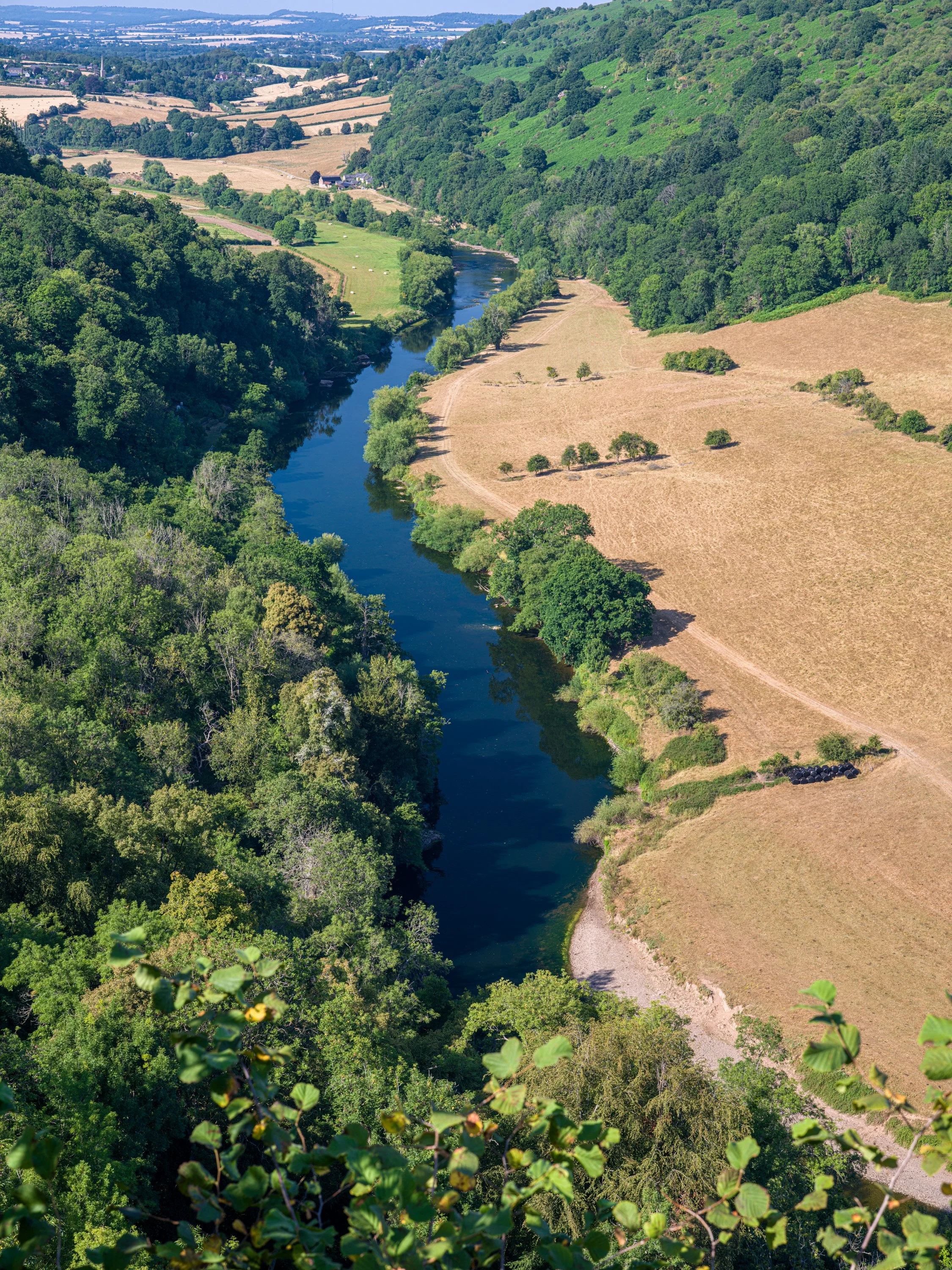
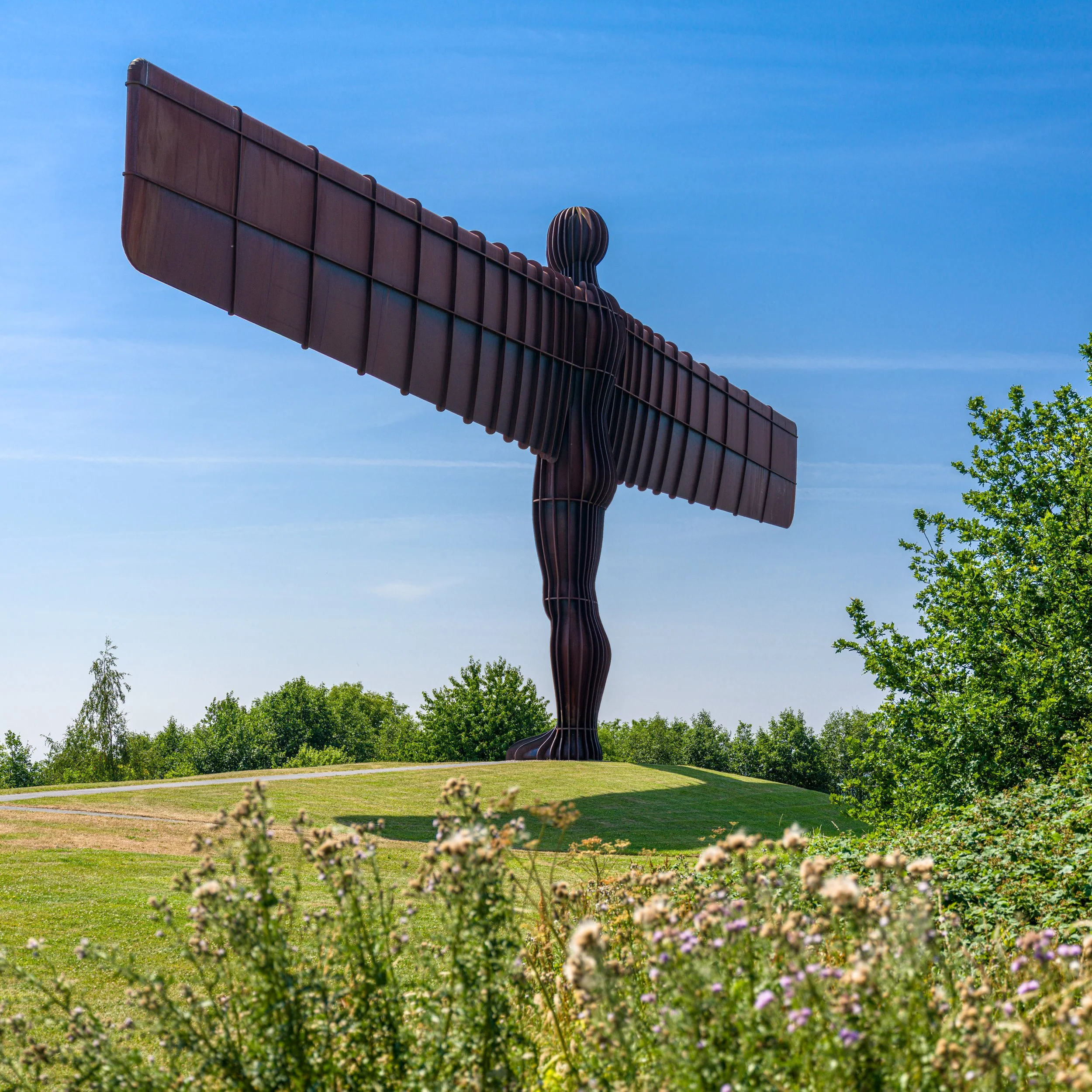
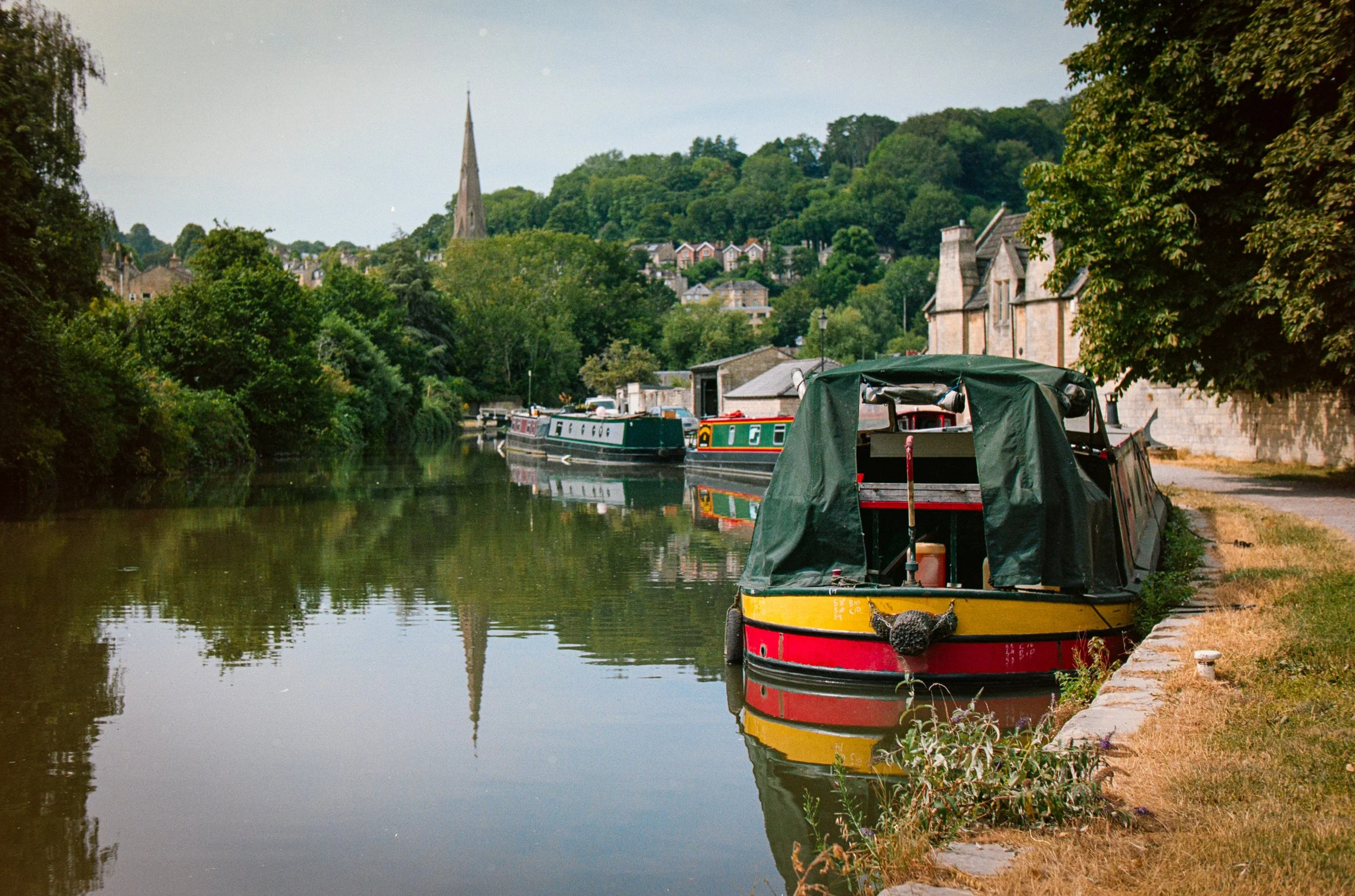
High resolution Landscapes (Scotland, Gateshead, Wye Valley and Bath)
Film
Typically, I shoot 35mm film with either 24 or 36 exposures per roll. I like colour and black and white and particularly enjoy matching a film characteristic to a particular style or subject matter.
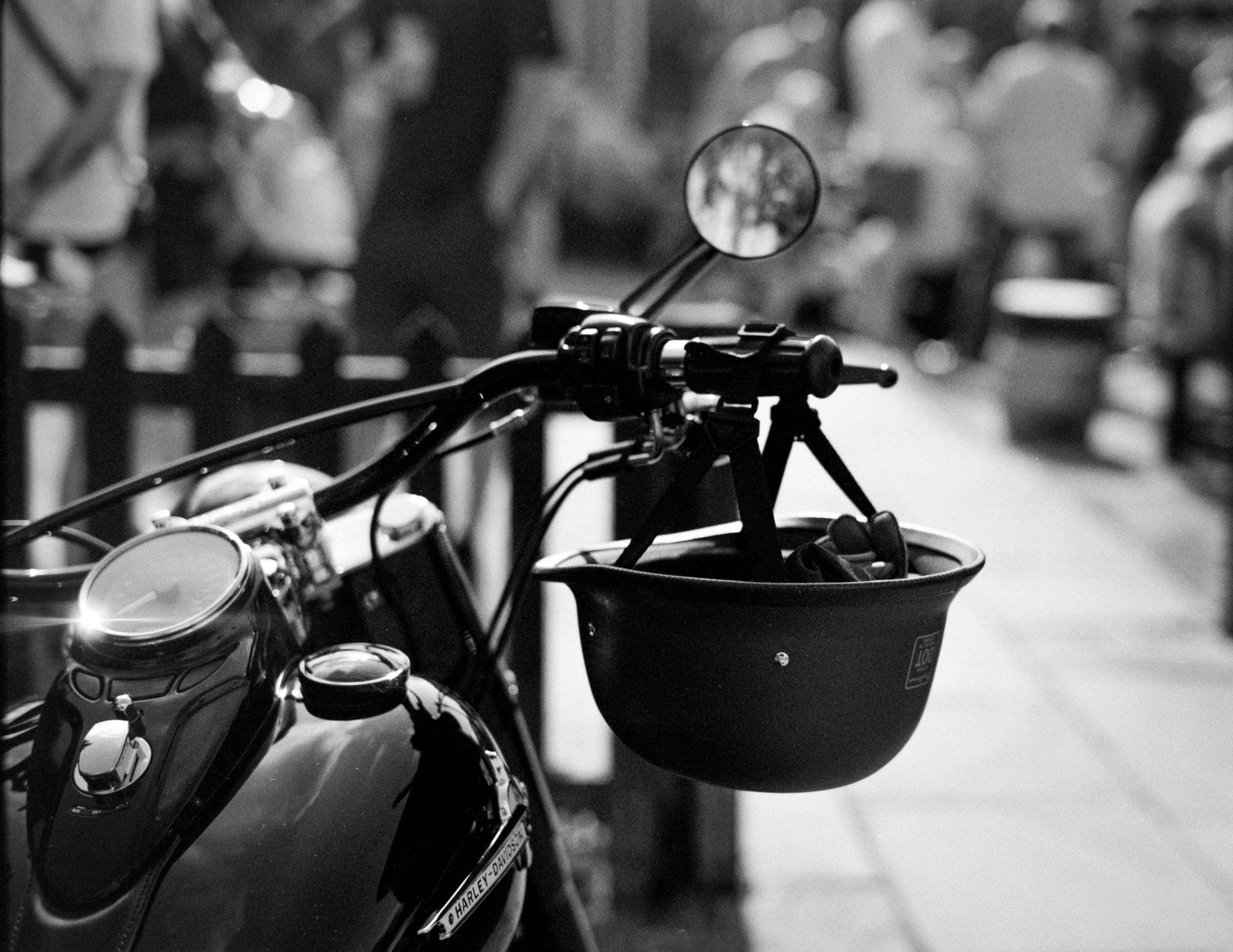
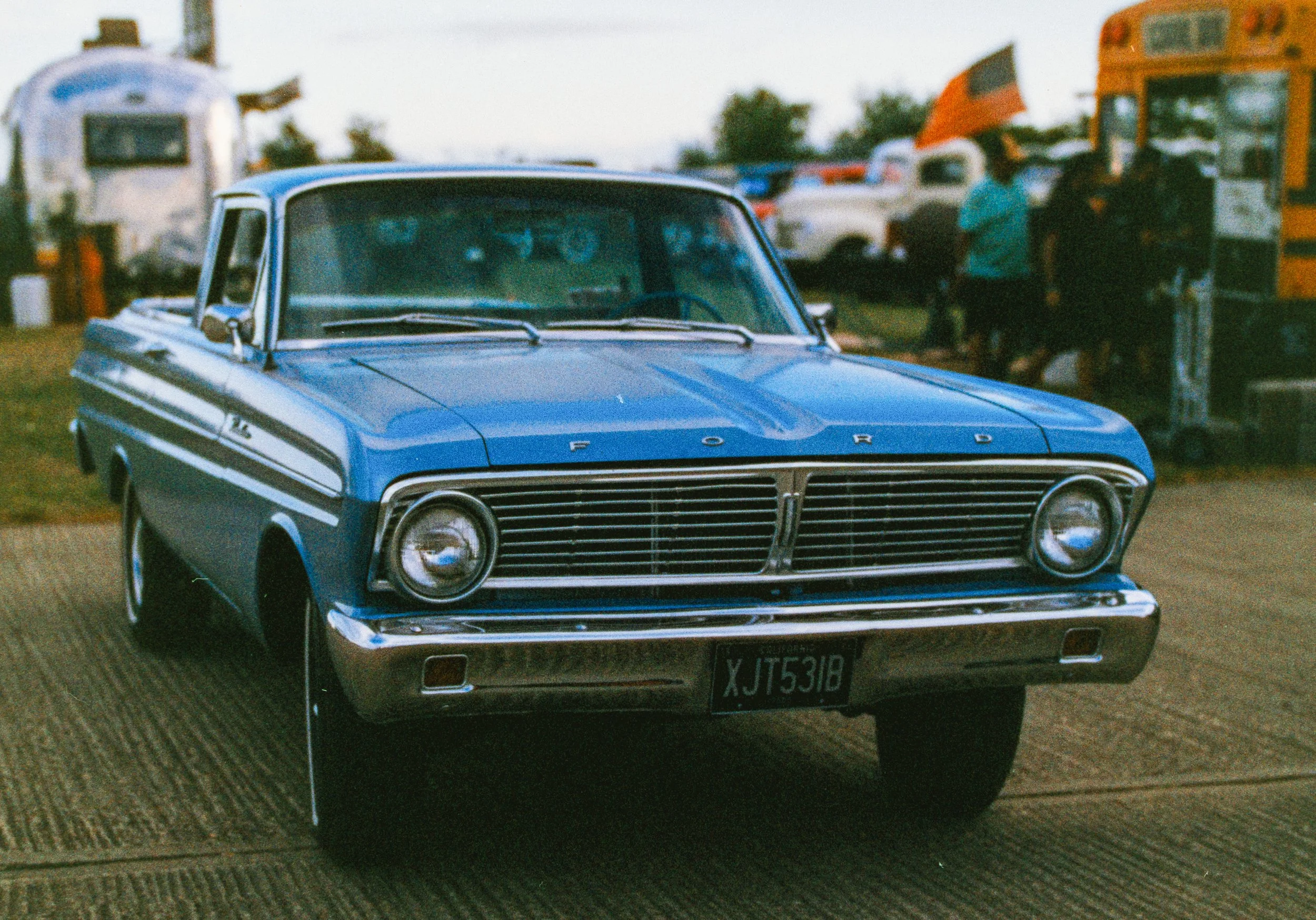
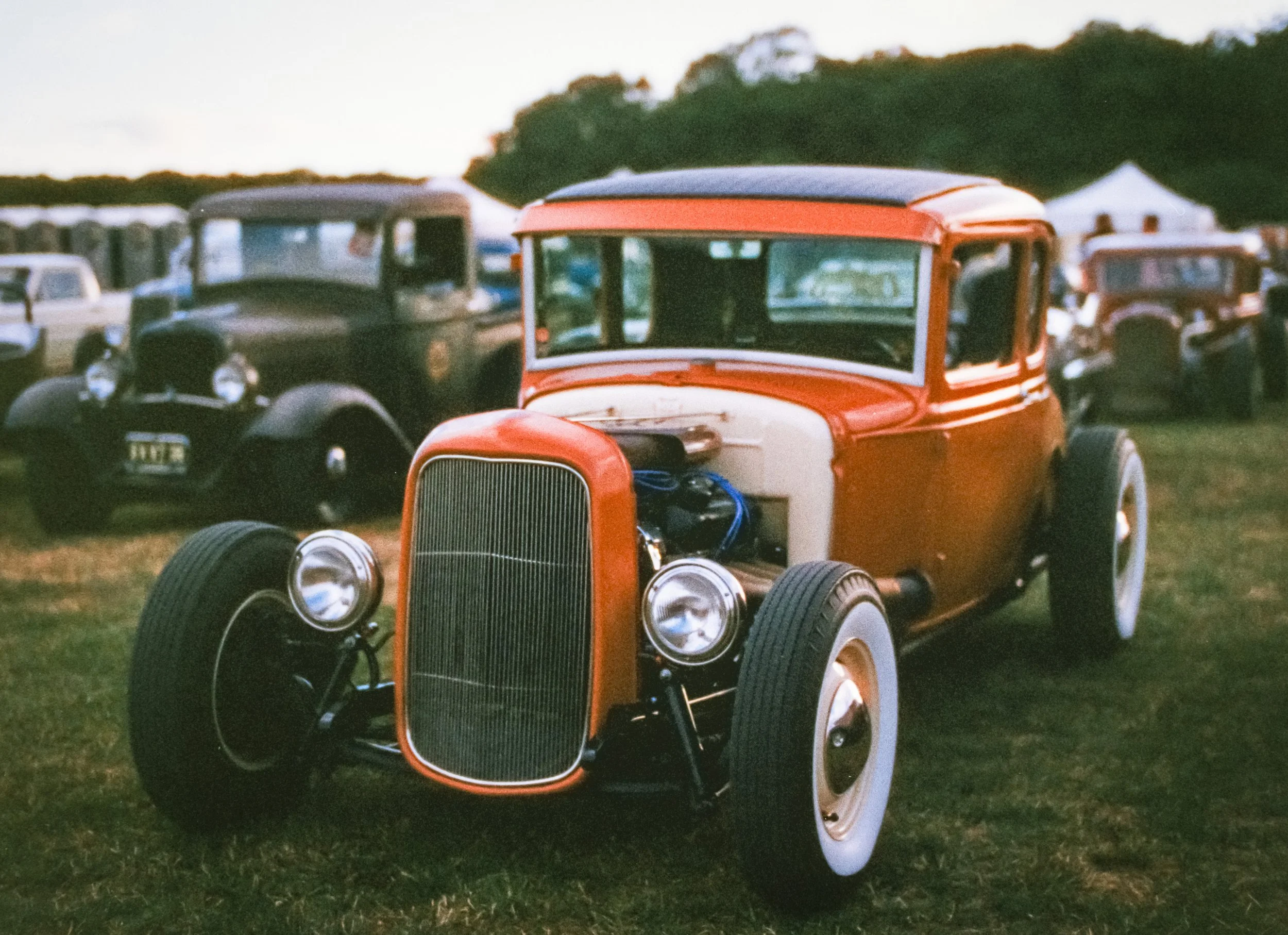
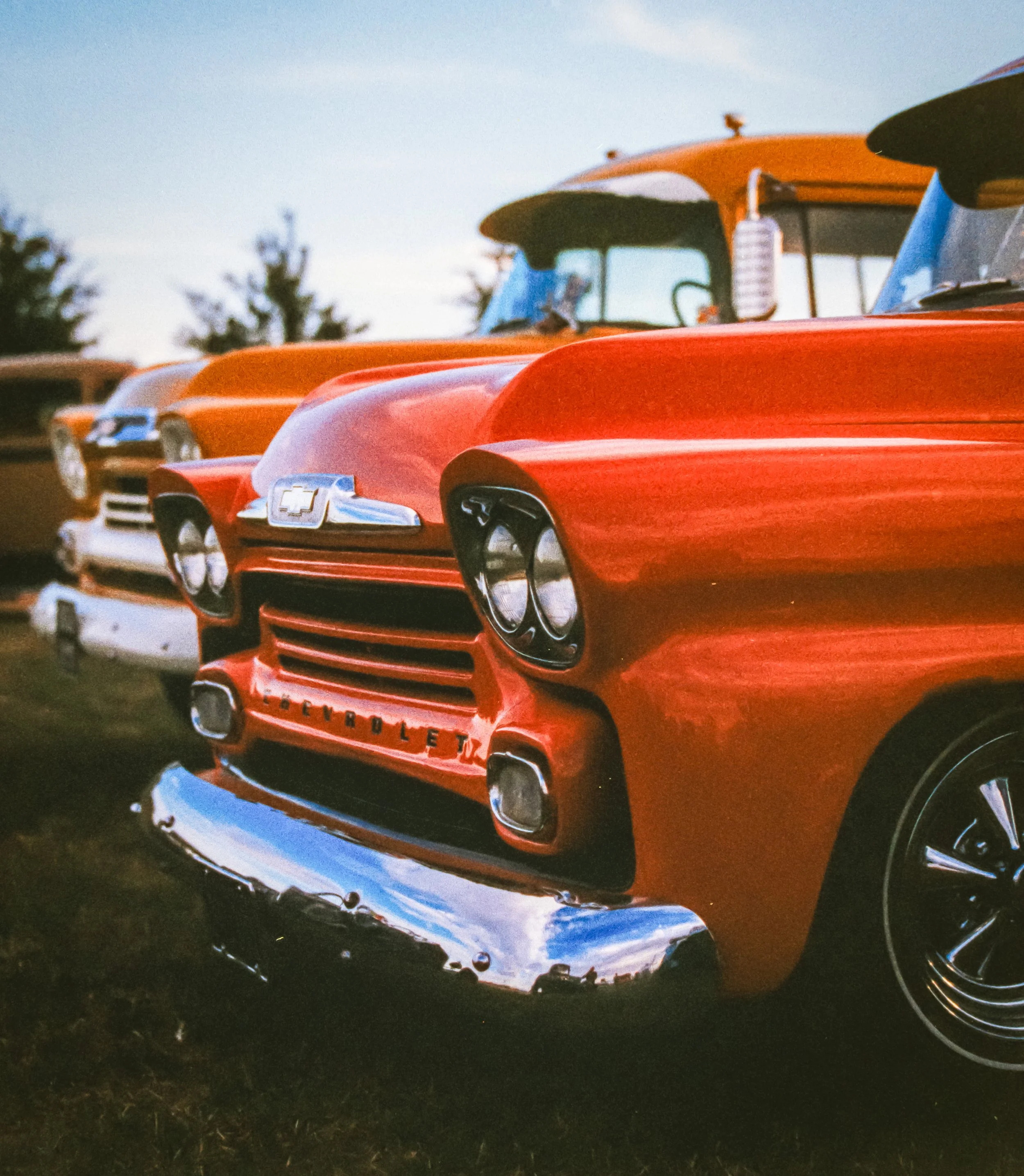
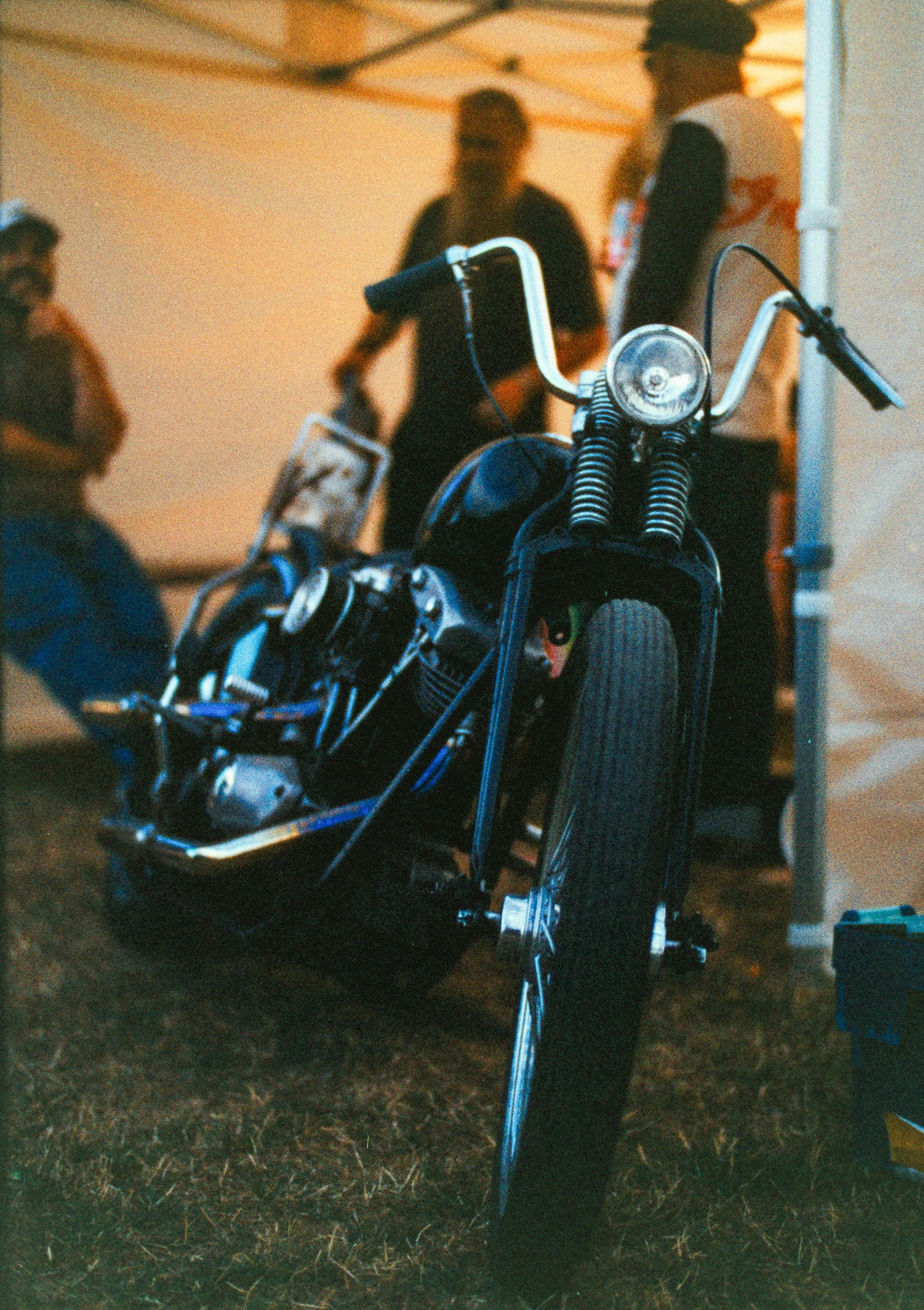
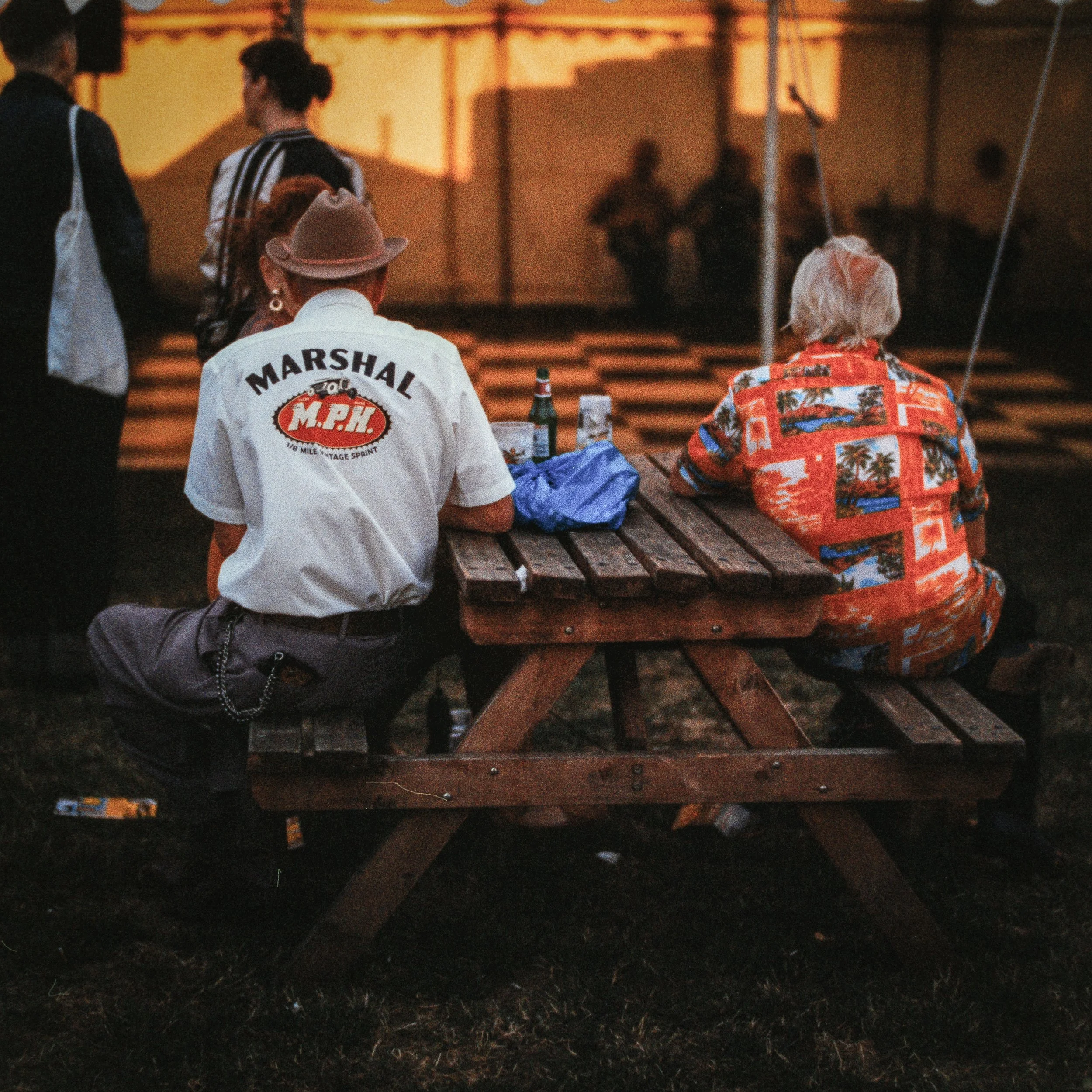
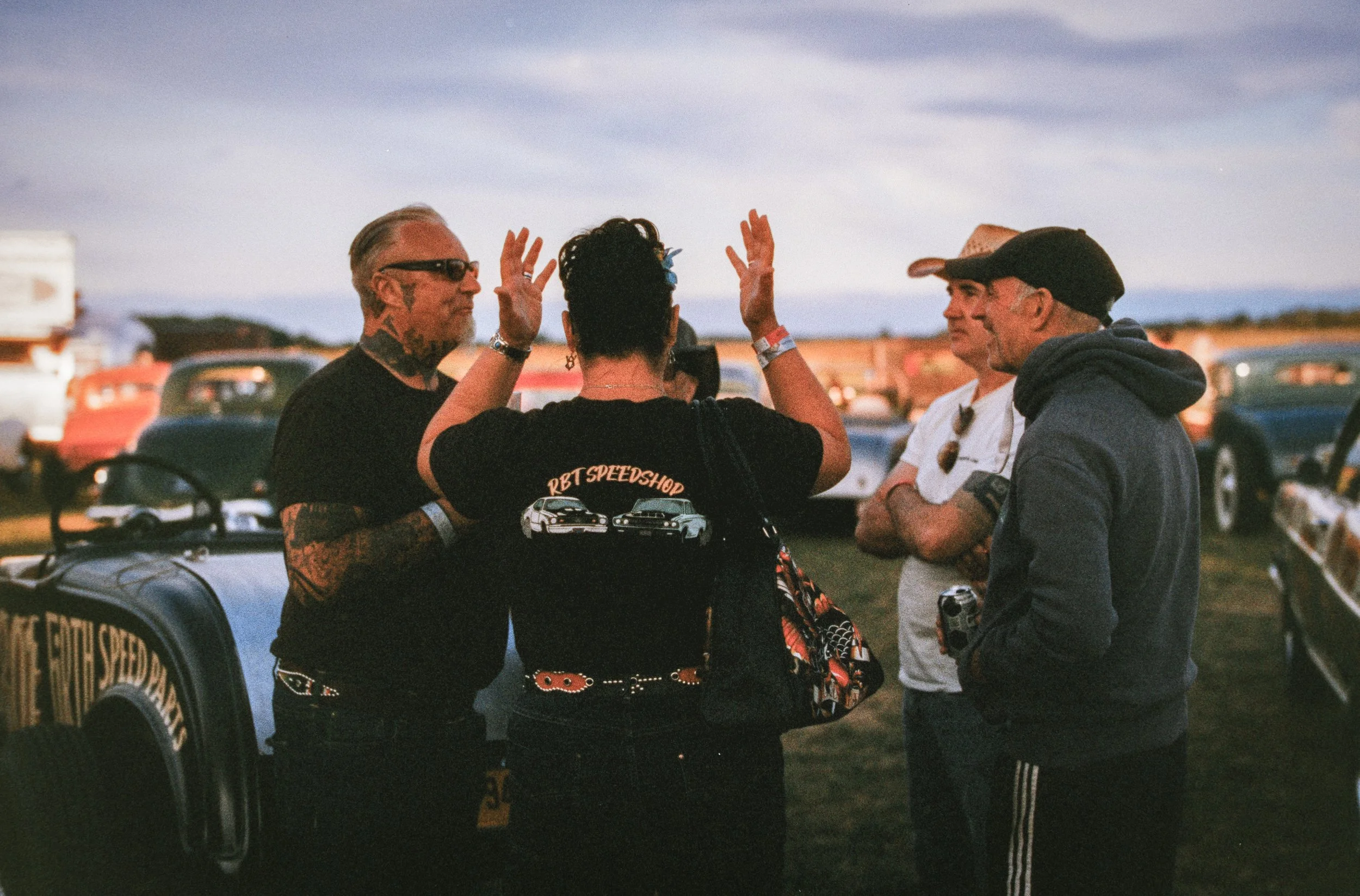
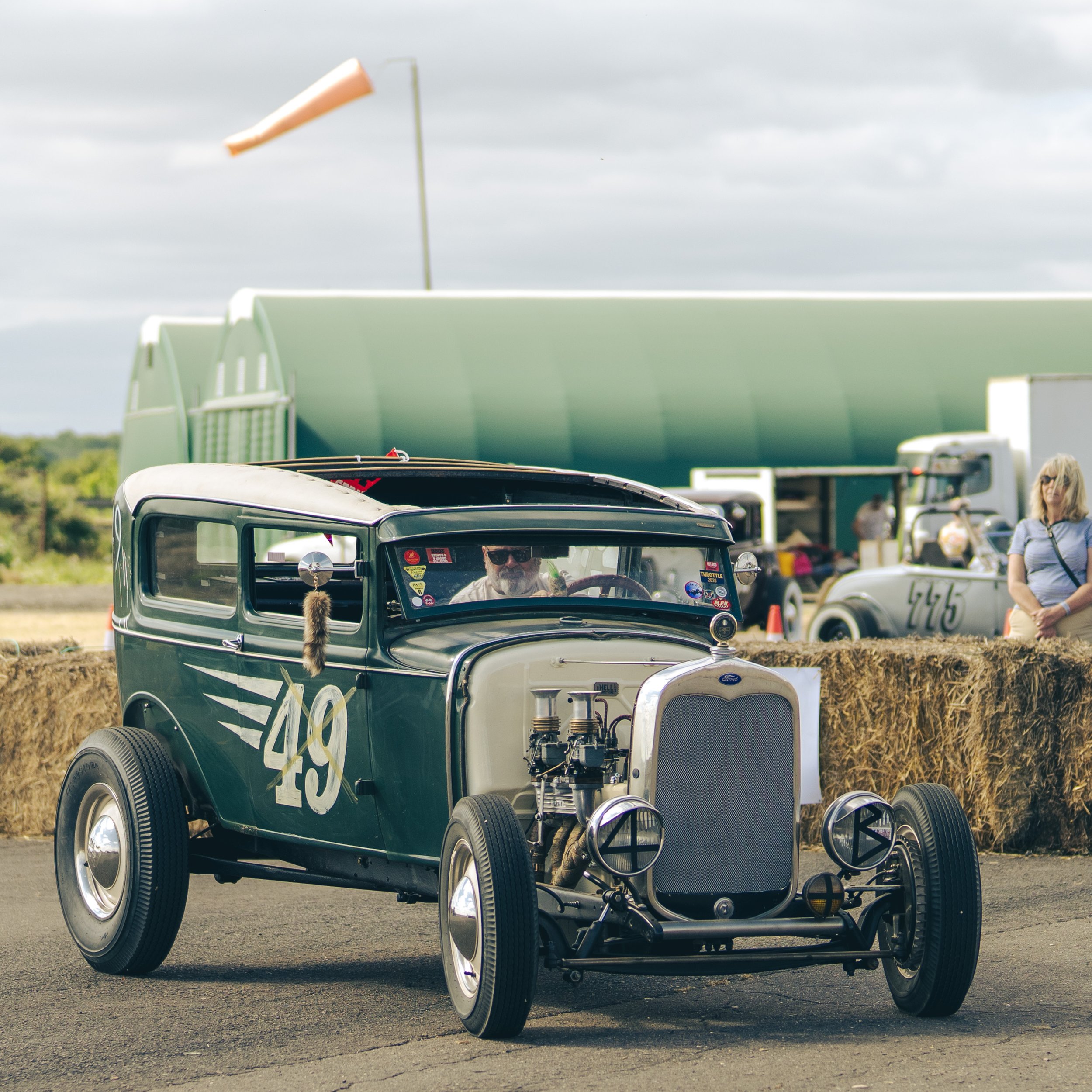
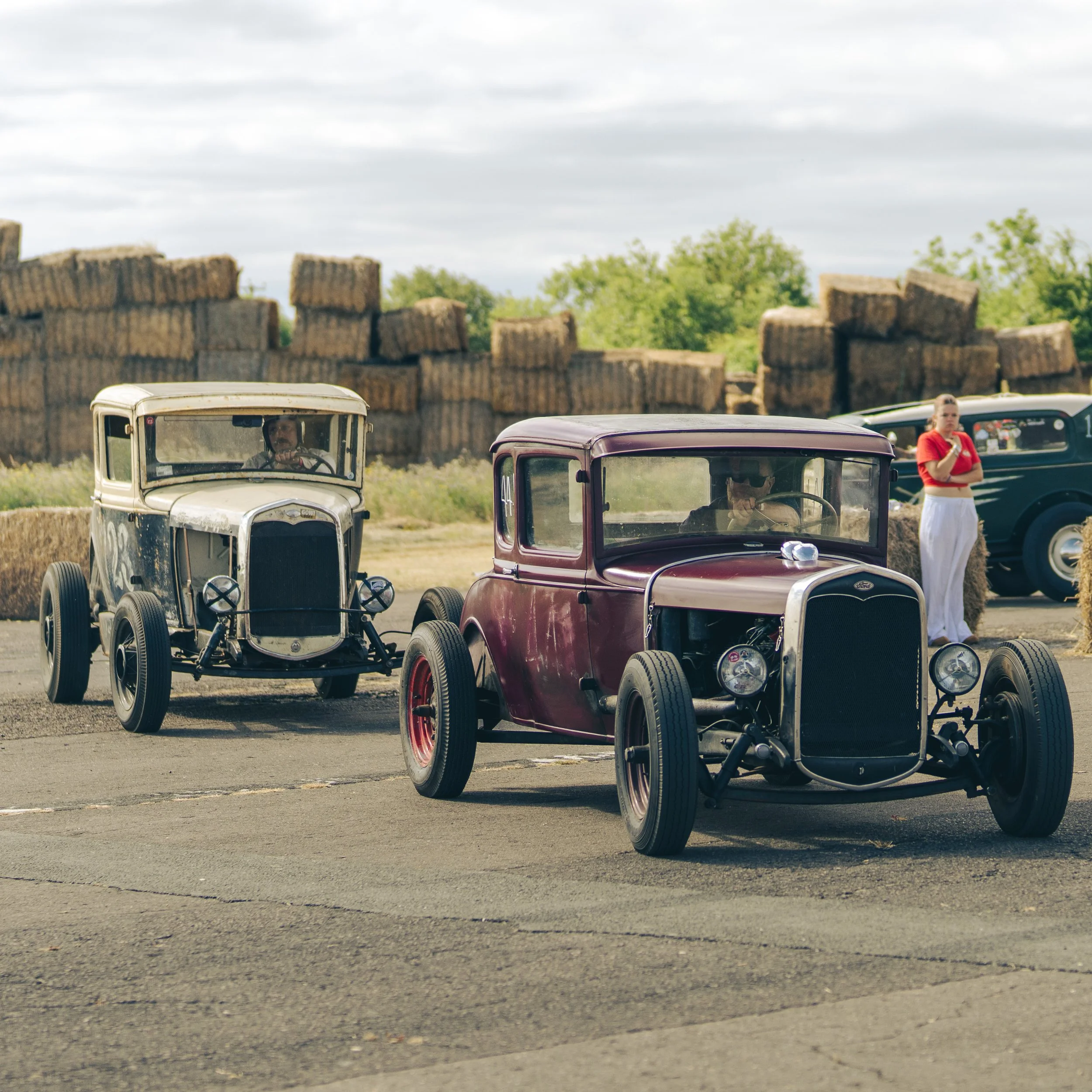
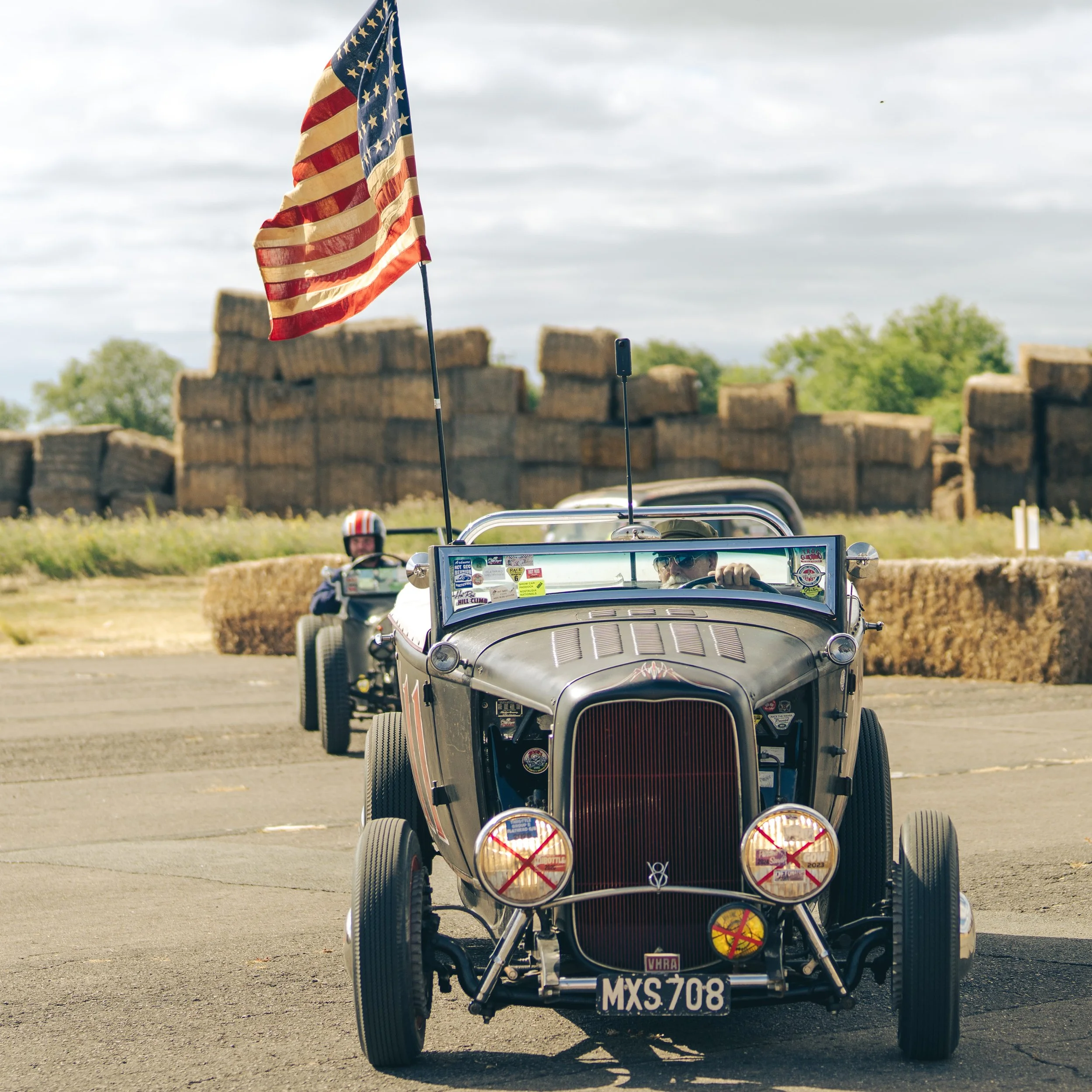
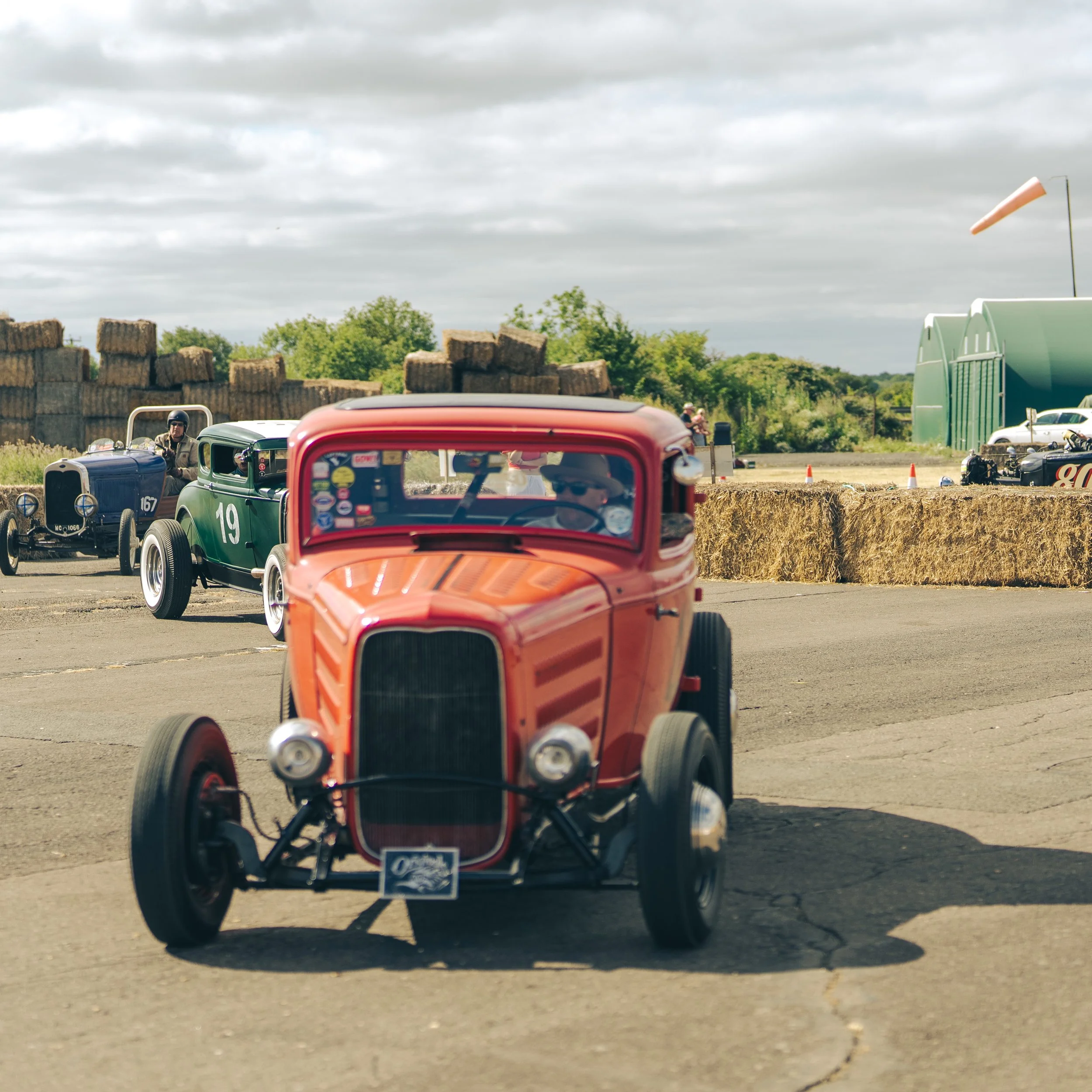
One of my favourite subjects for film is vintage cars and motorbikes. With nothing much newer than about 1940 it works particularly well with the characterful and grainy look of some films.
I take pictures at these type of events to capture the scene as seen with my own eyes. A 50mm lens is ideal. It affords me a good deal of control over depth of field so I can blur backgrounds if I want to and there is very little distortion that you get on wide angle lenses.
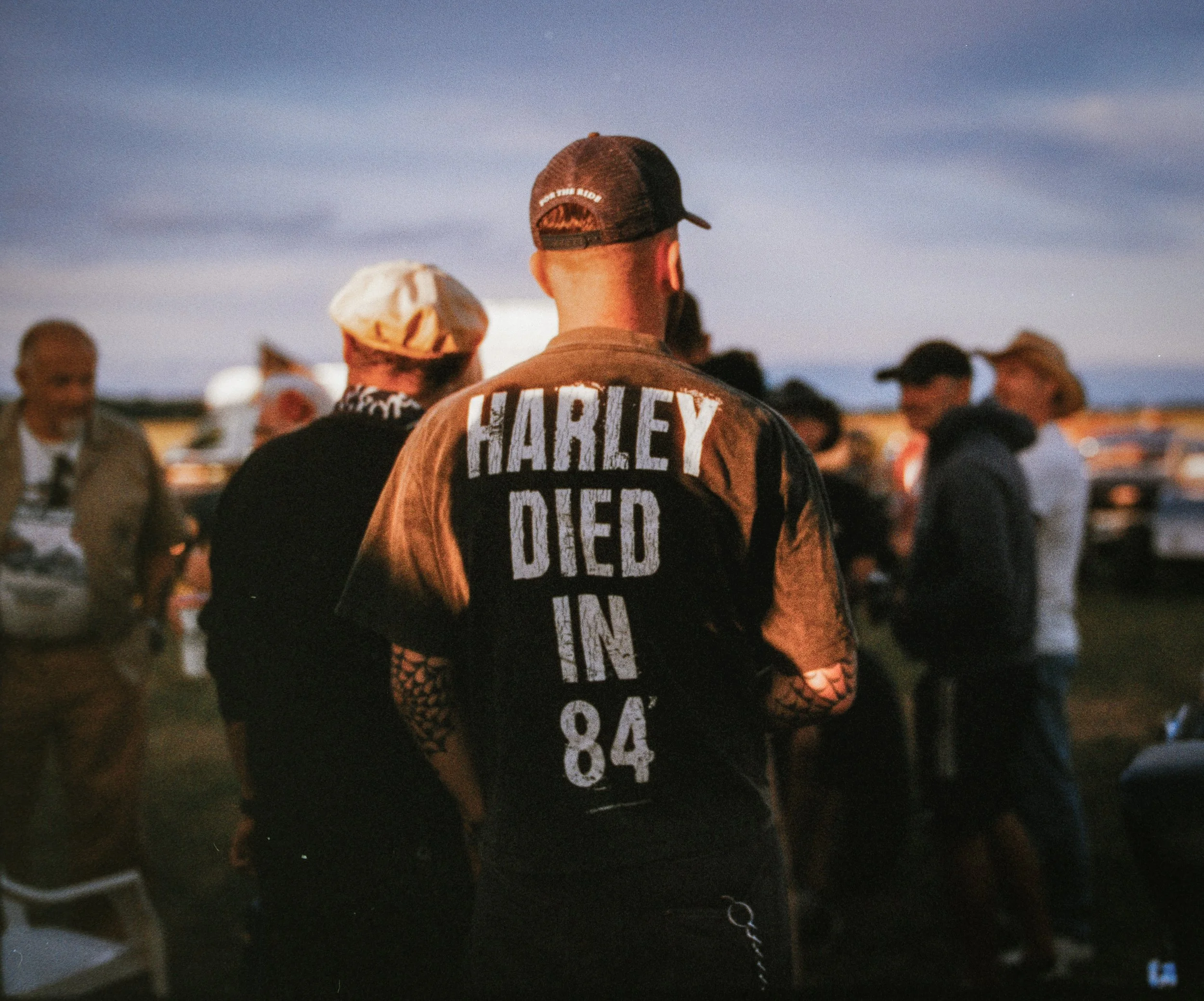
My trusty Leica MP fitted with the 50mm f1.4 was loaded with Kodak Tri-X, Rollei Retro 400S and 80S and Ilford FP4 black and white films. Vintage cars also really suit the grainy and high contrast Harman Phoenix 200 which gives a delicious retro feel that just works for the hotrod scene, so I shot a couple of rolls of that too.
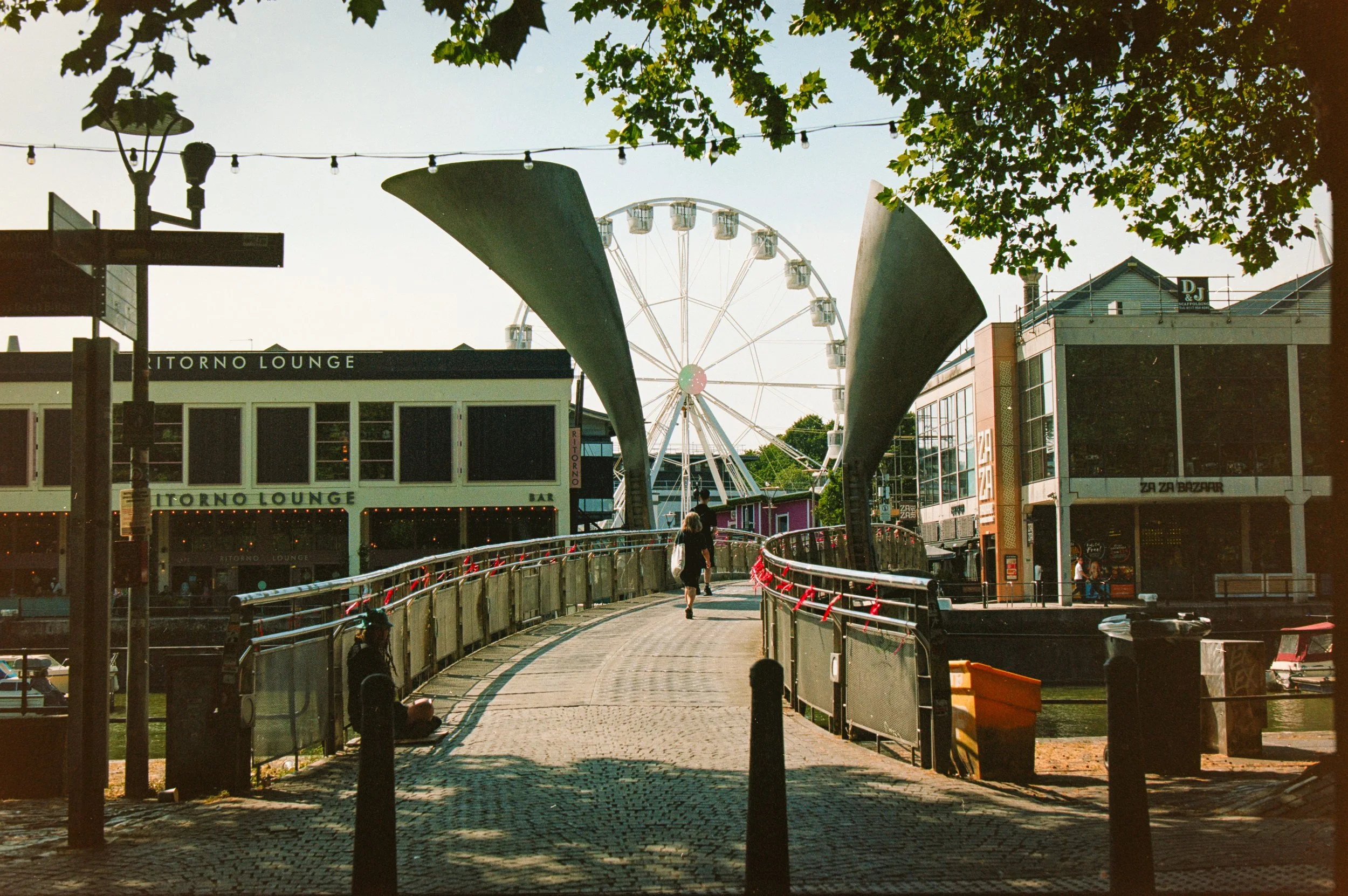
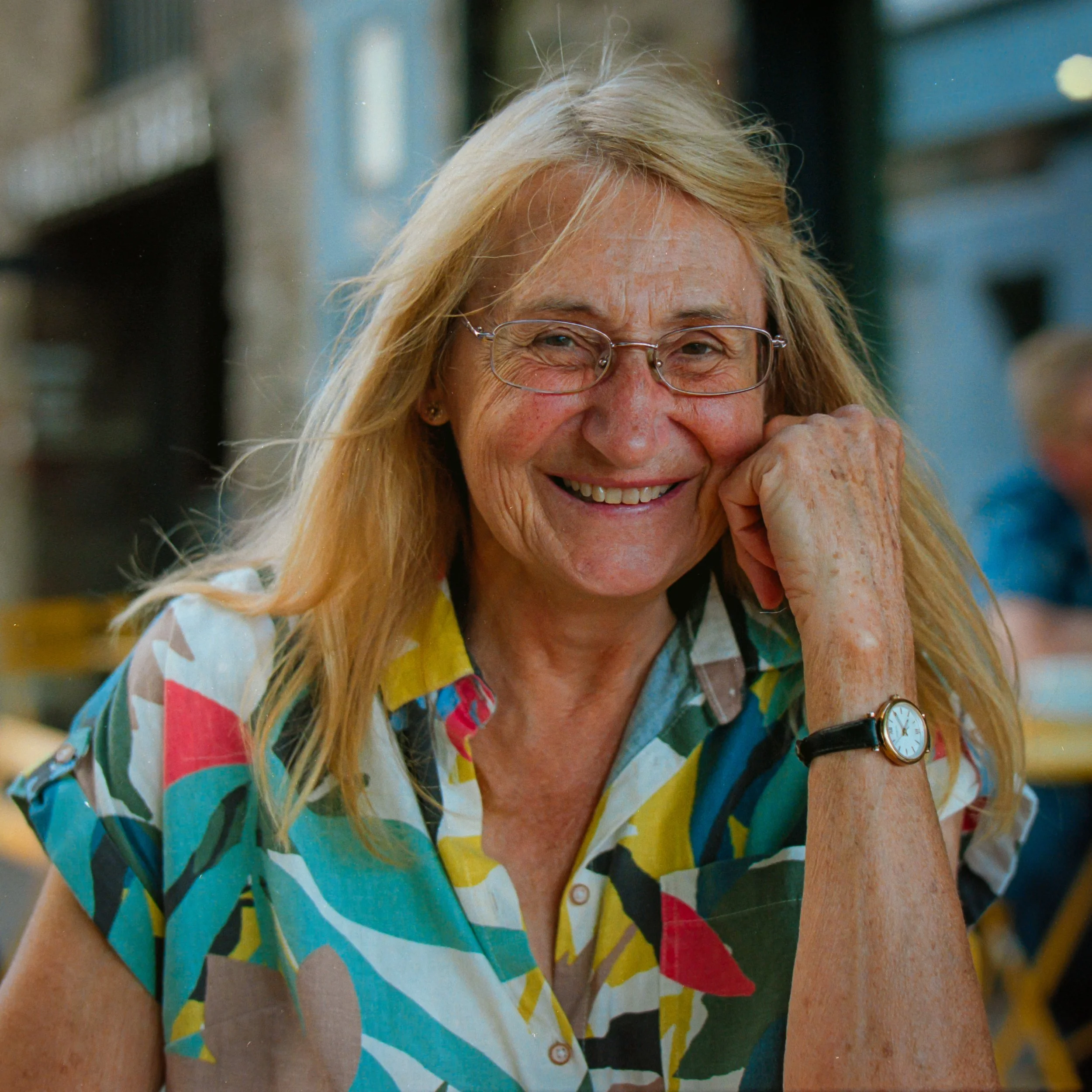
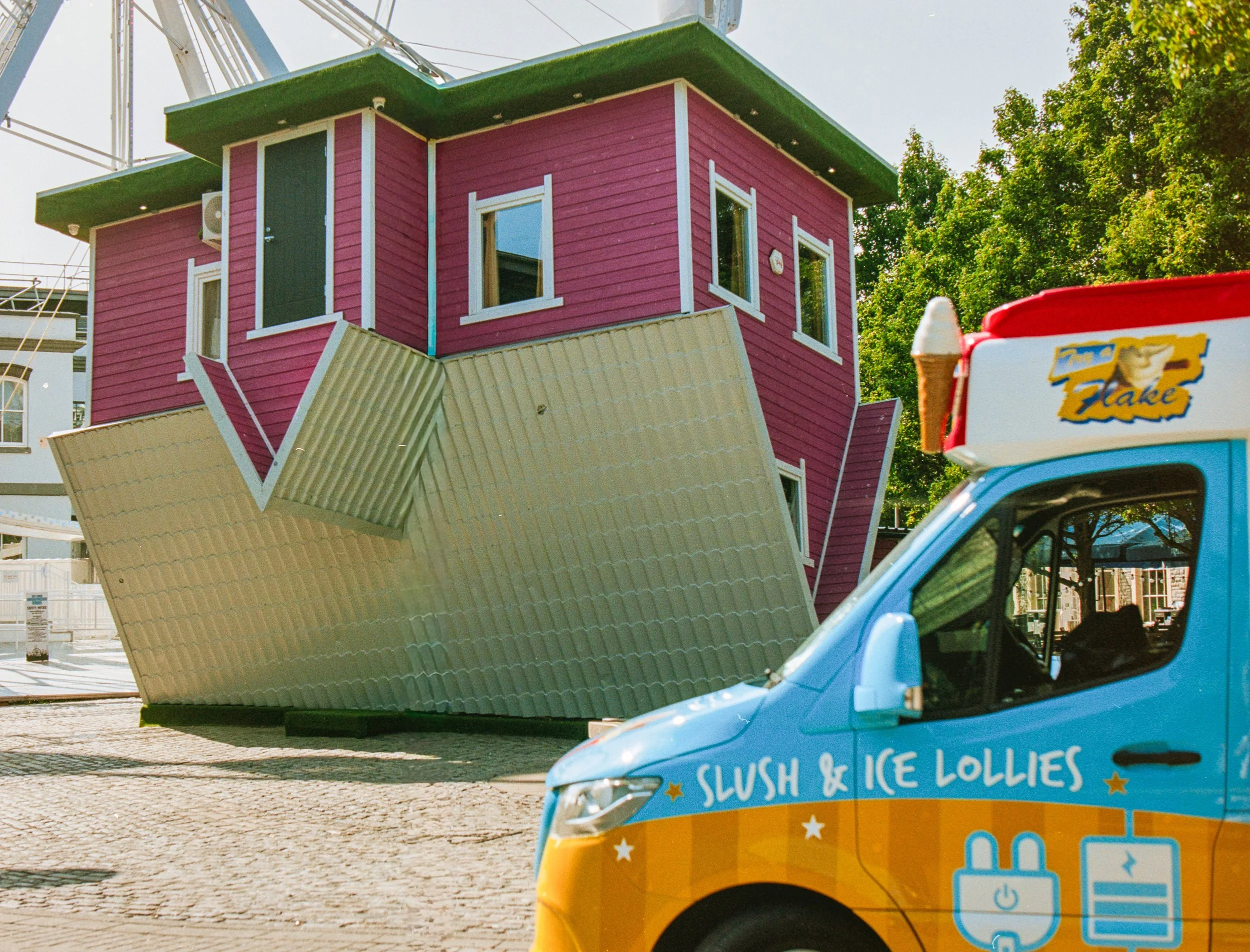
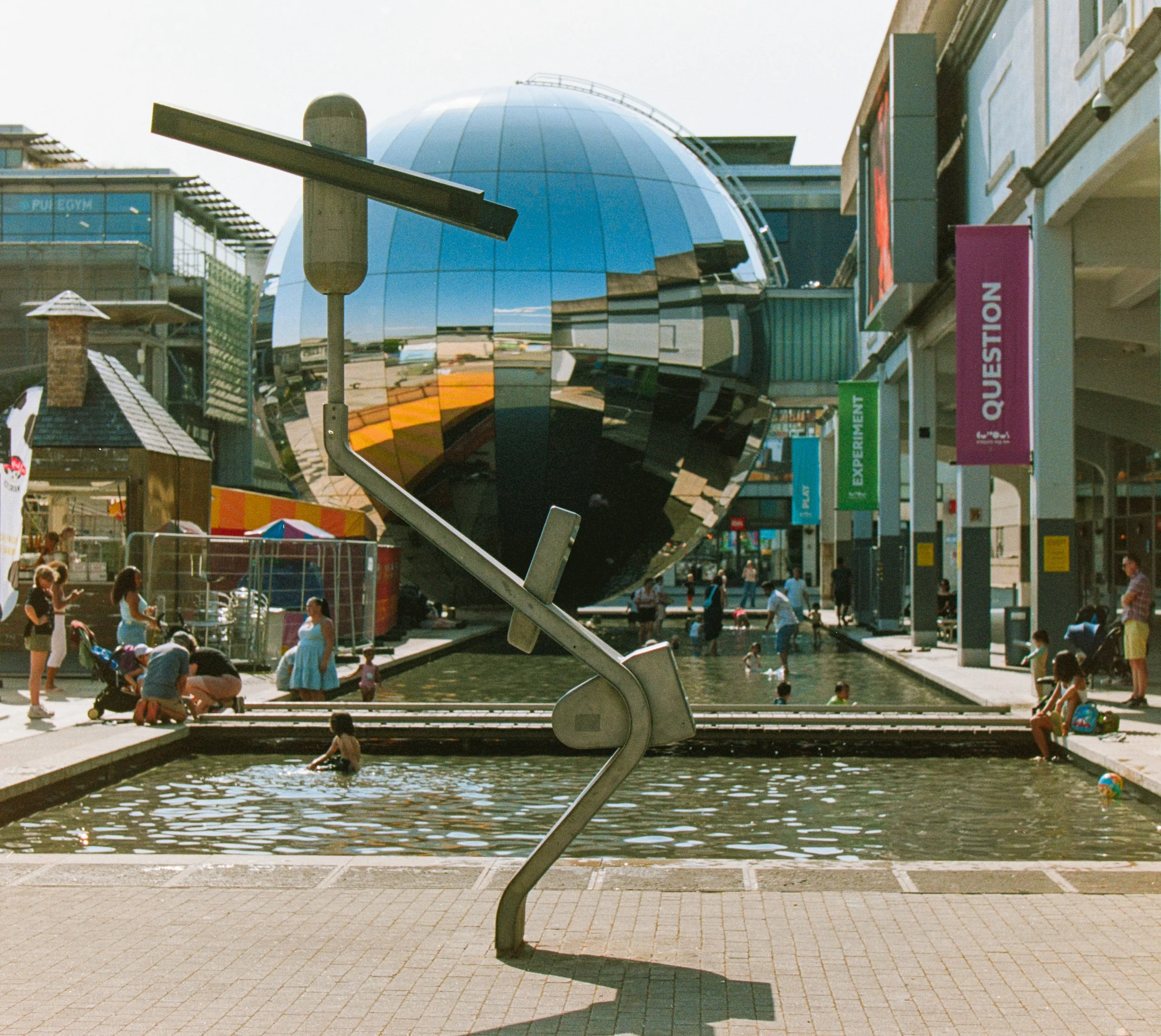
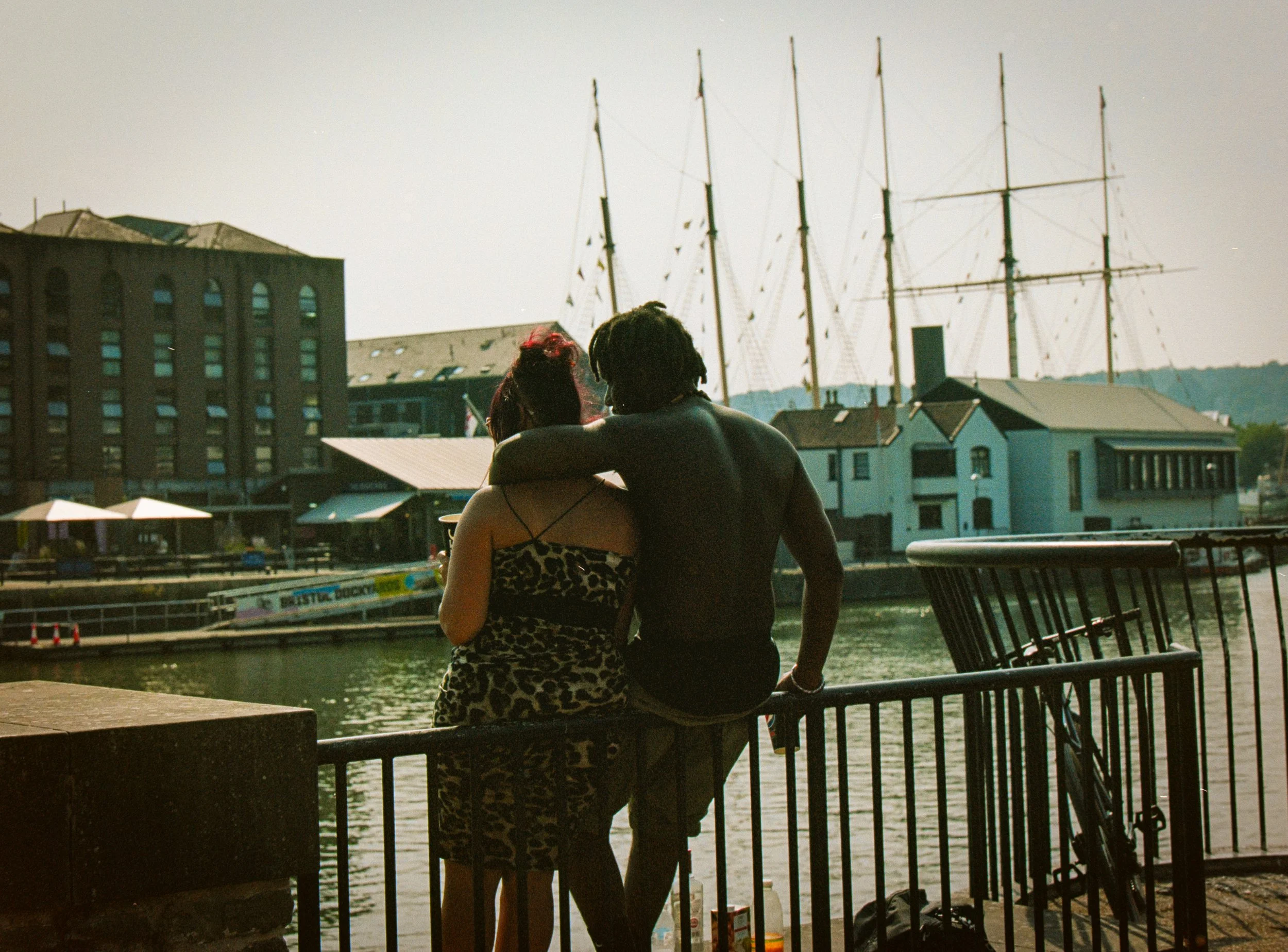
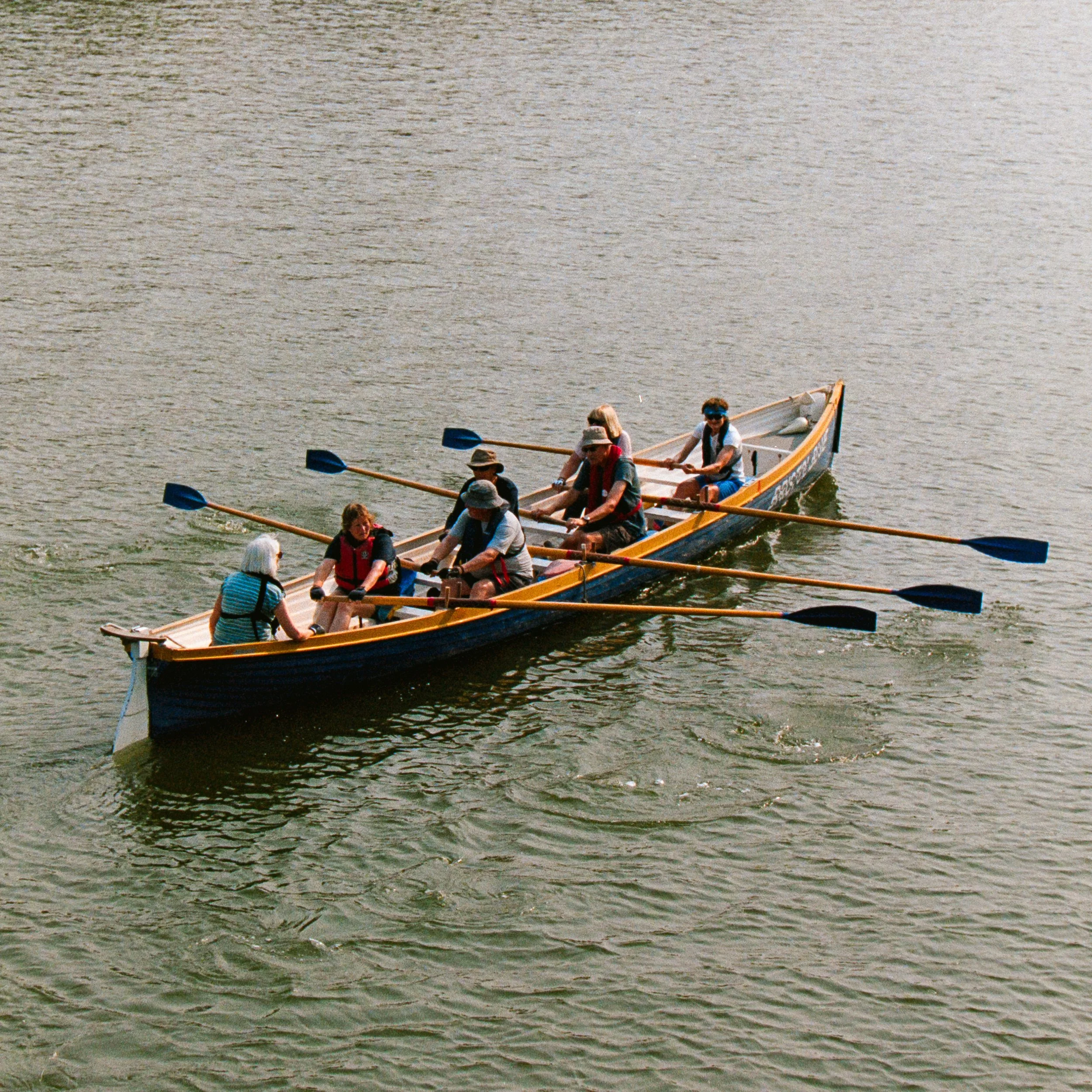
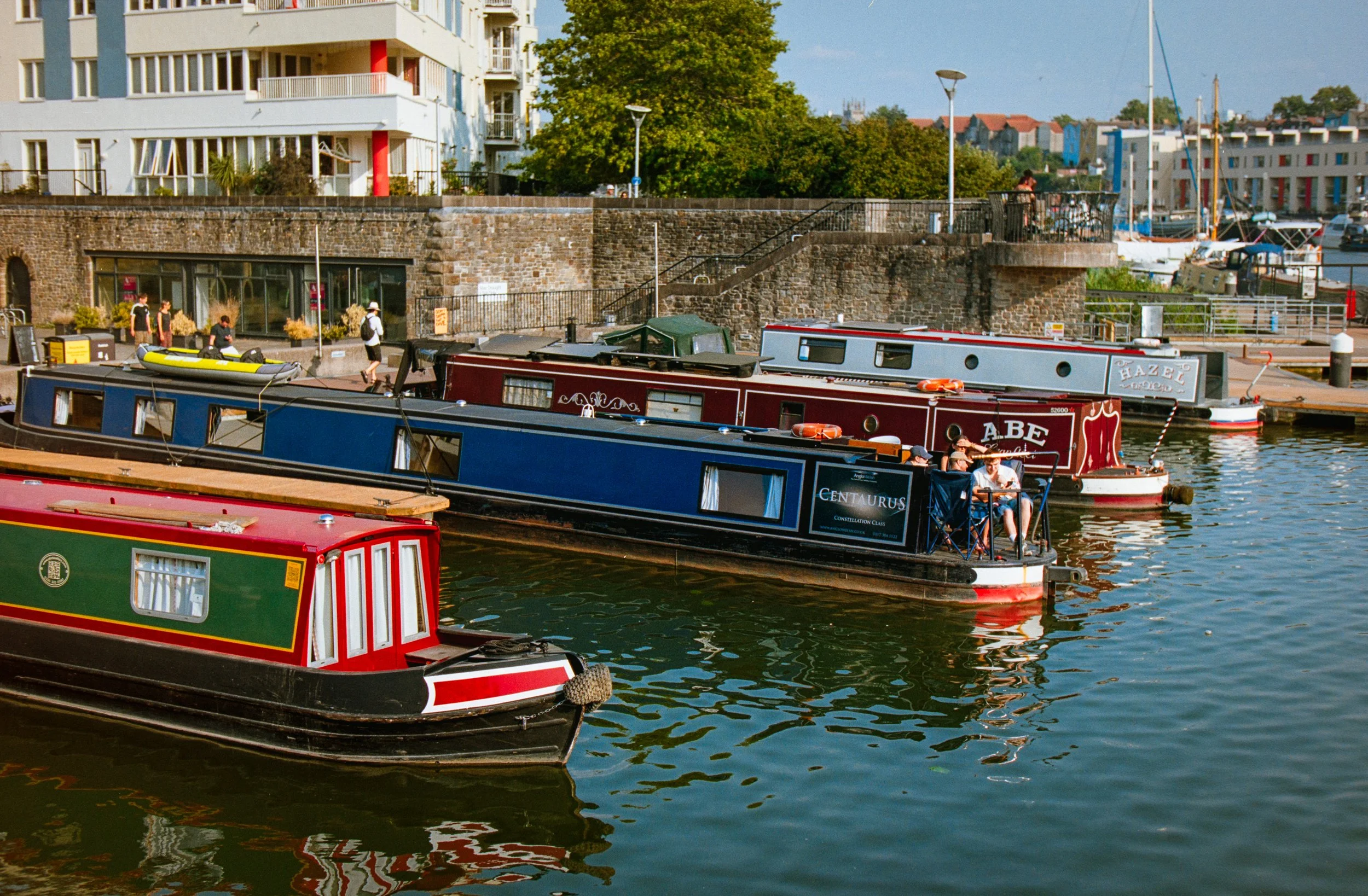
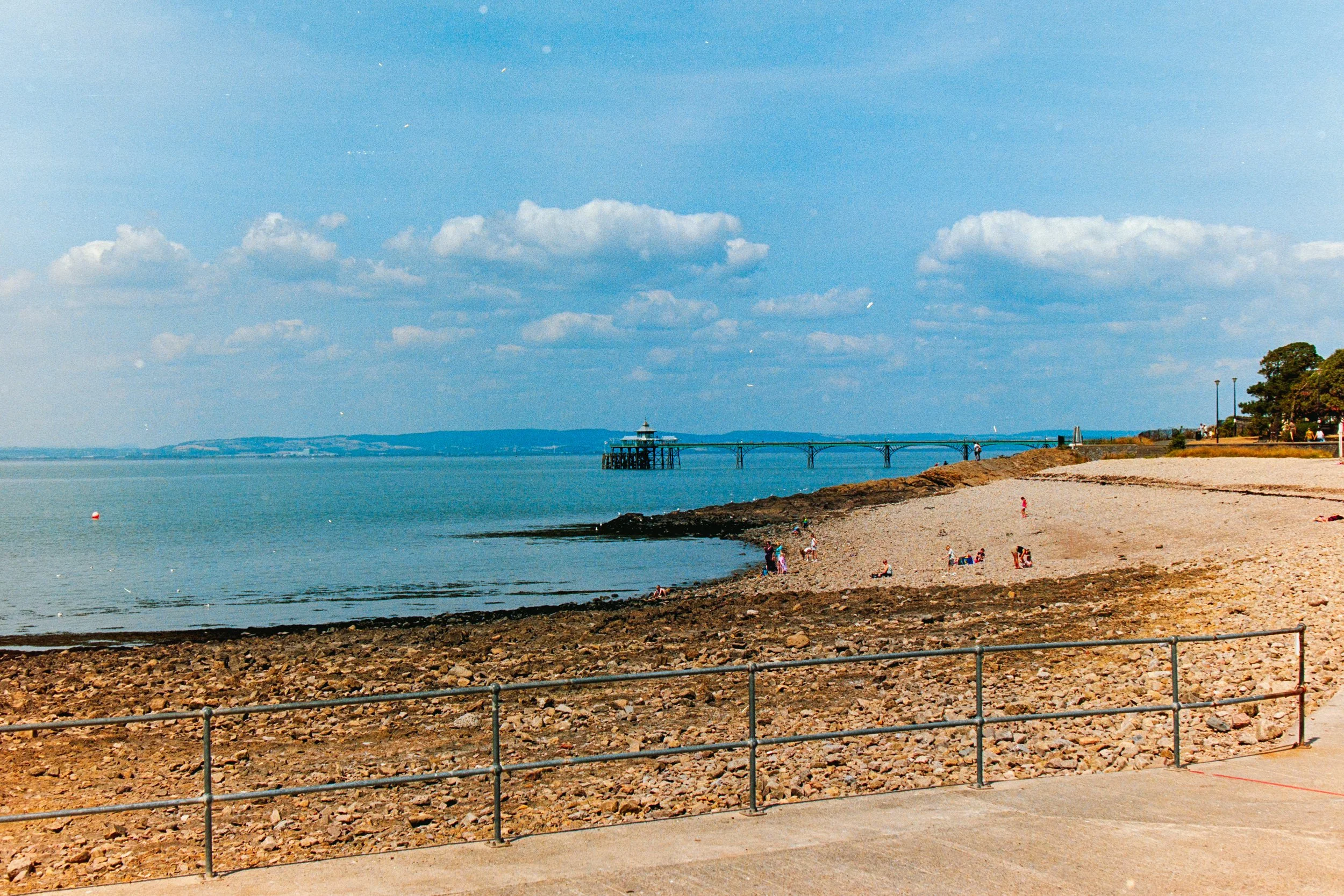
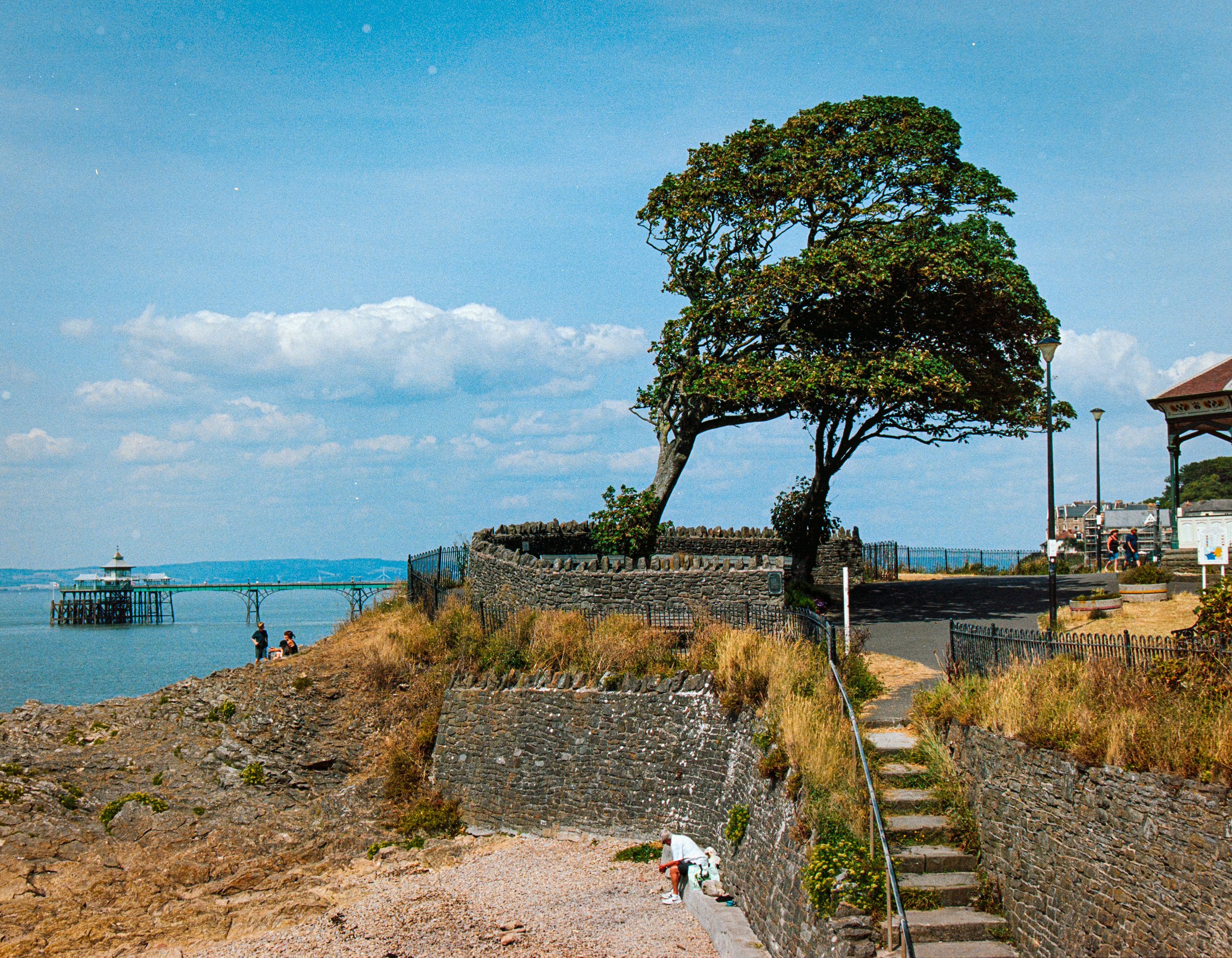
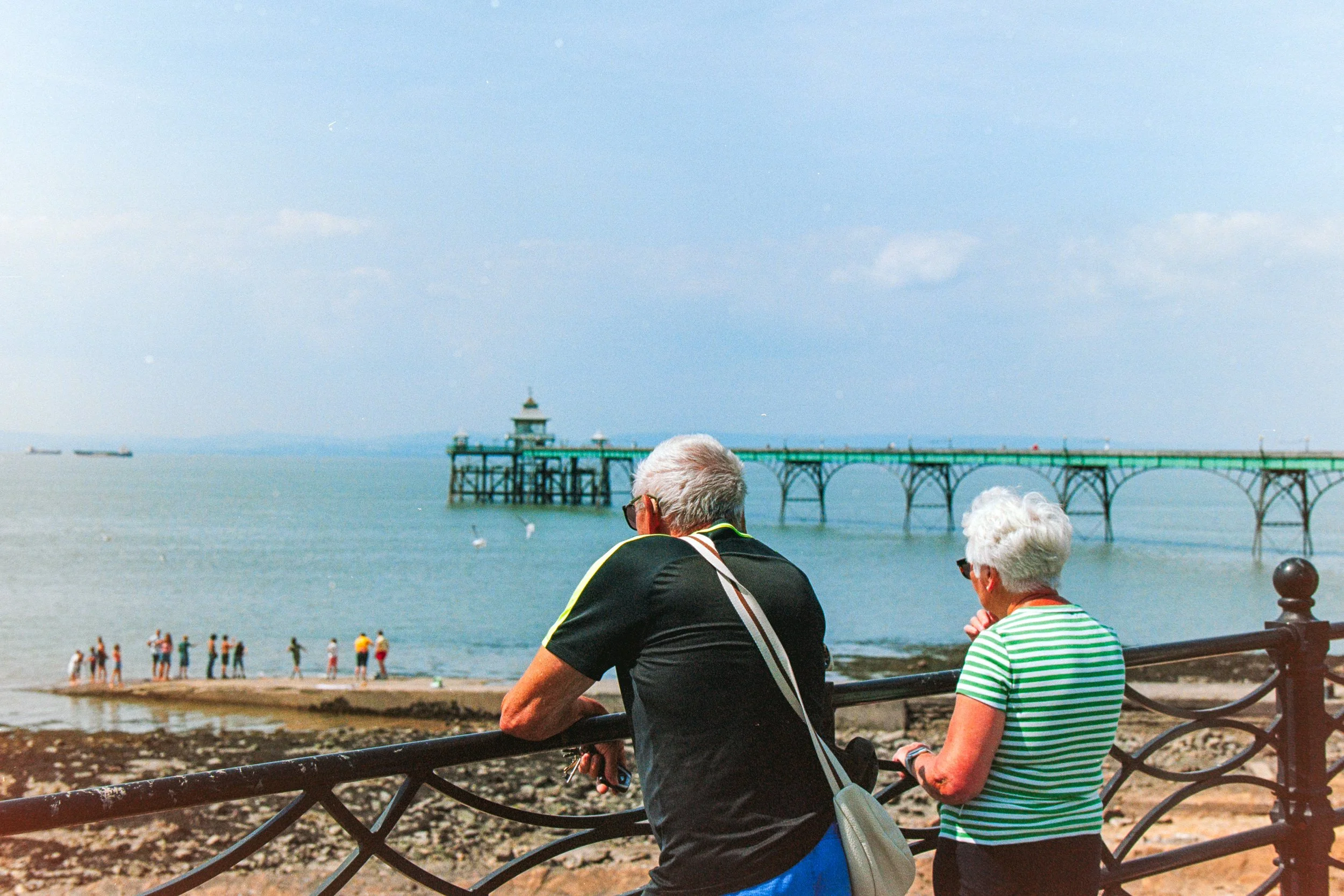
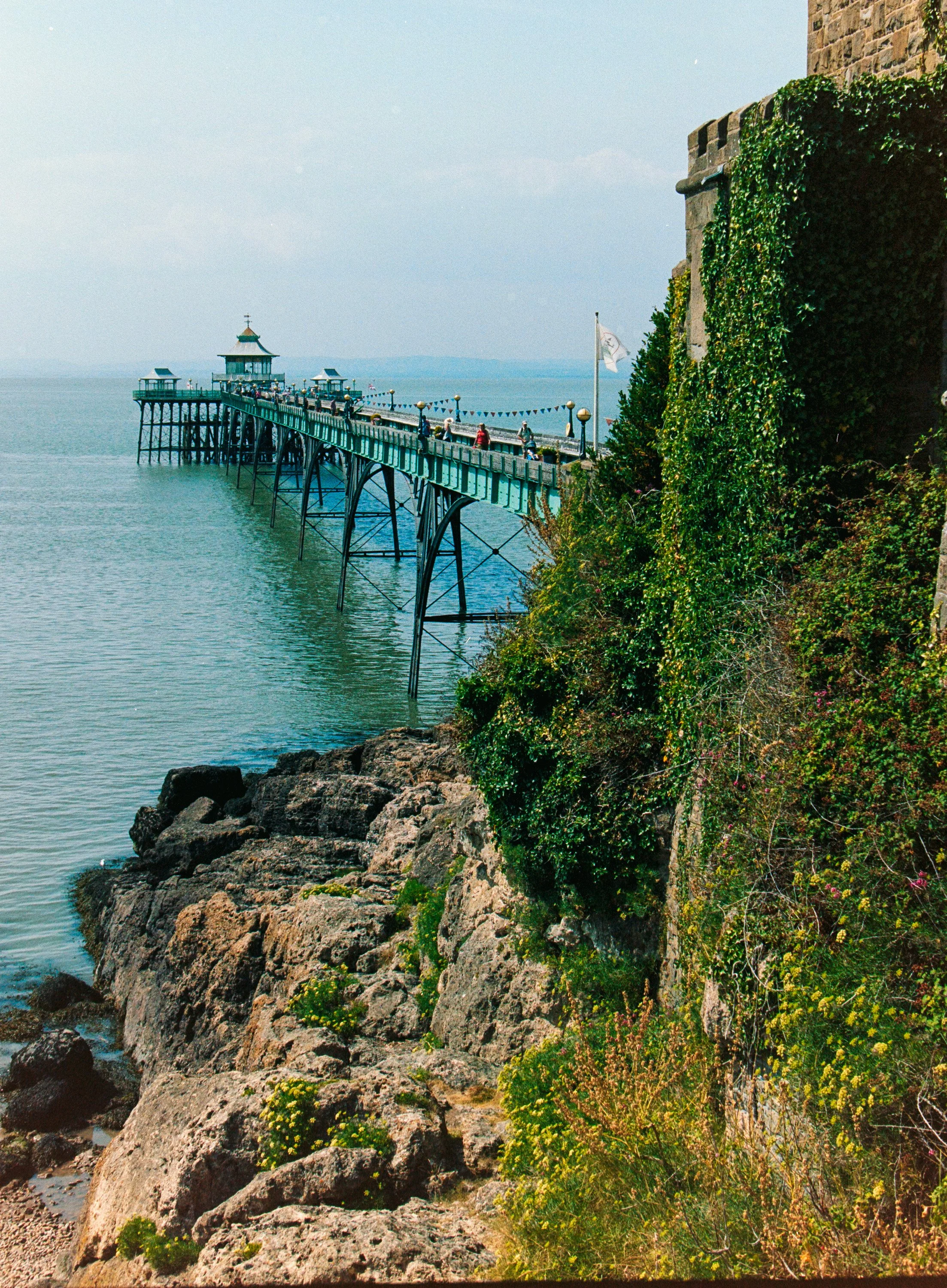
Afer MPH, I loaded up some Kodak Portra 160 colour film which I used to document a week travelling around Bristol, Monmouthshire and the Wye Valley with friends who came to stay with us.
Various Black and White Films of the Vintage Cars
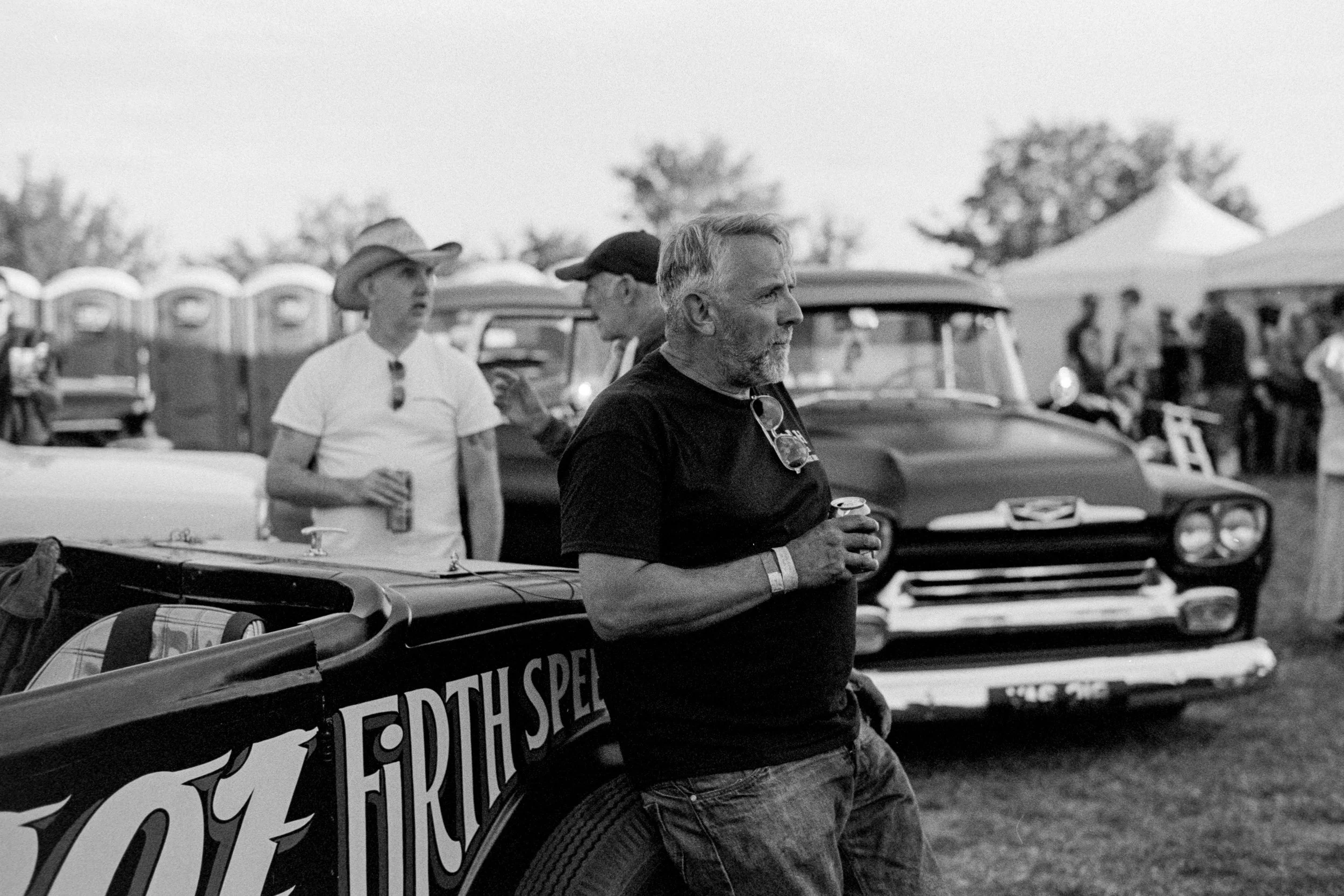
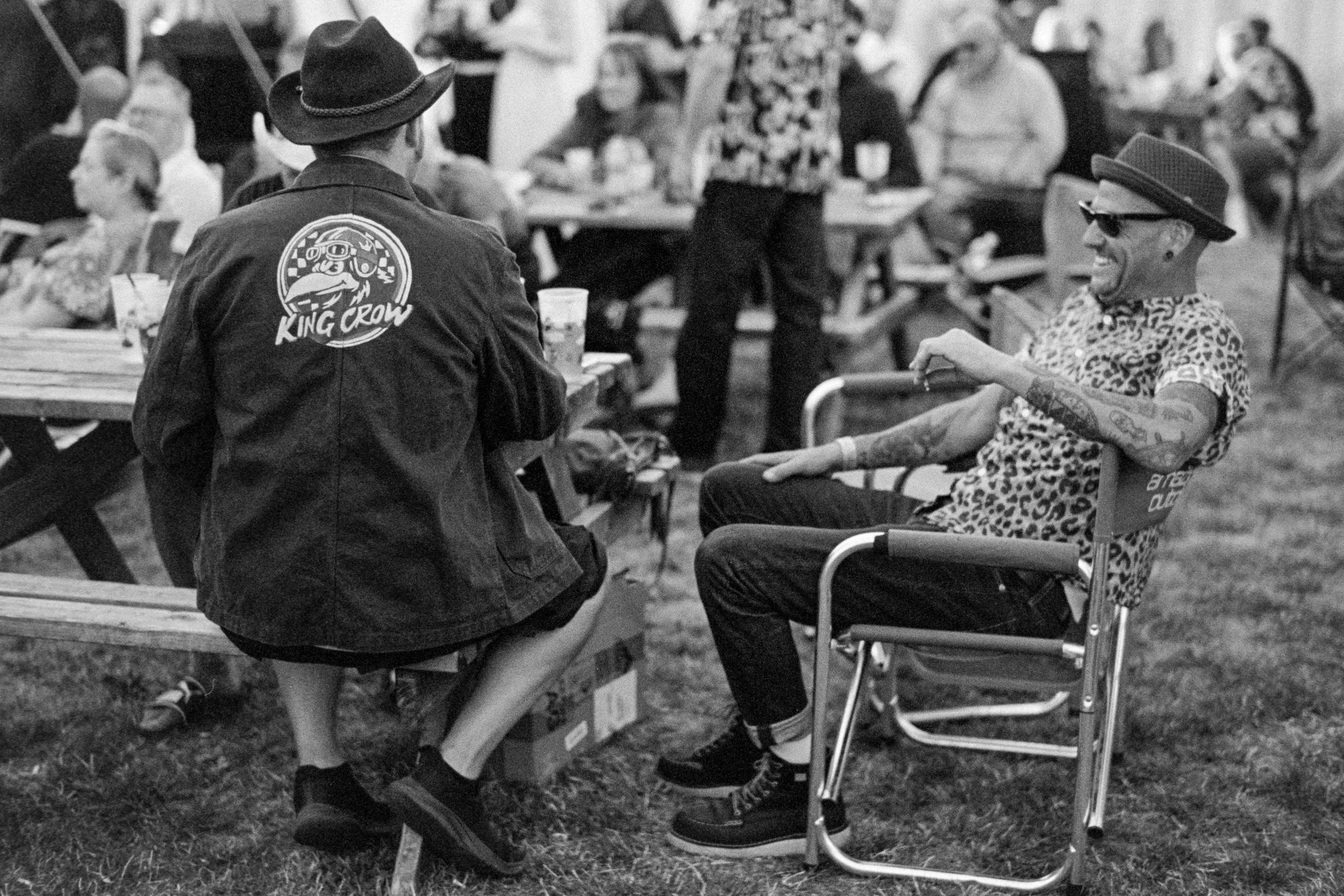
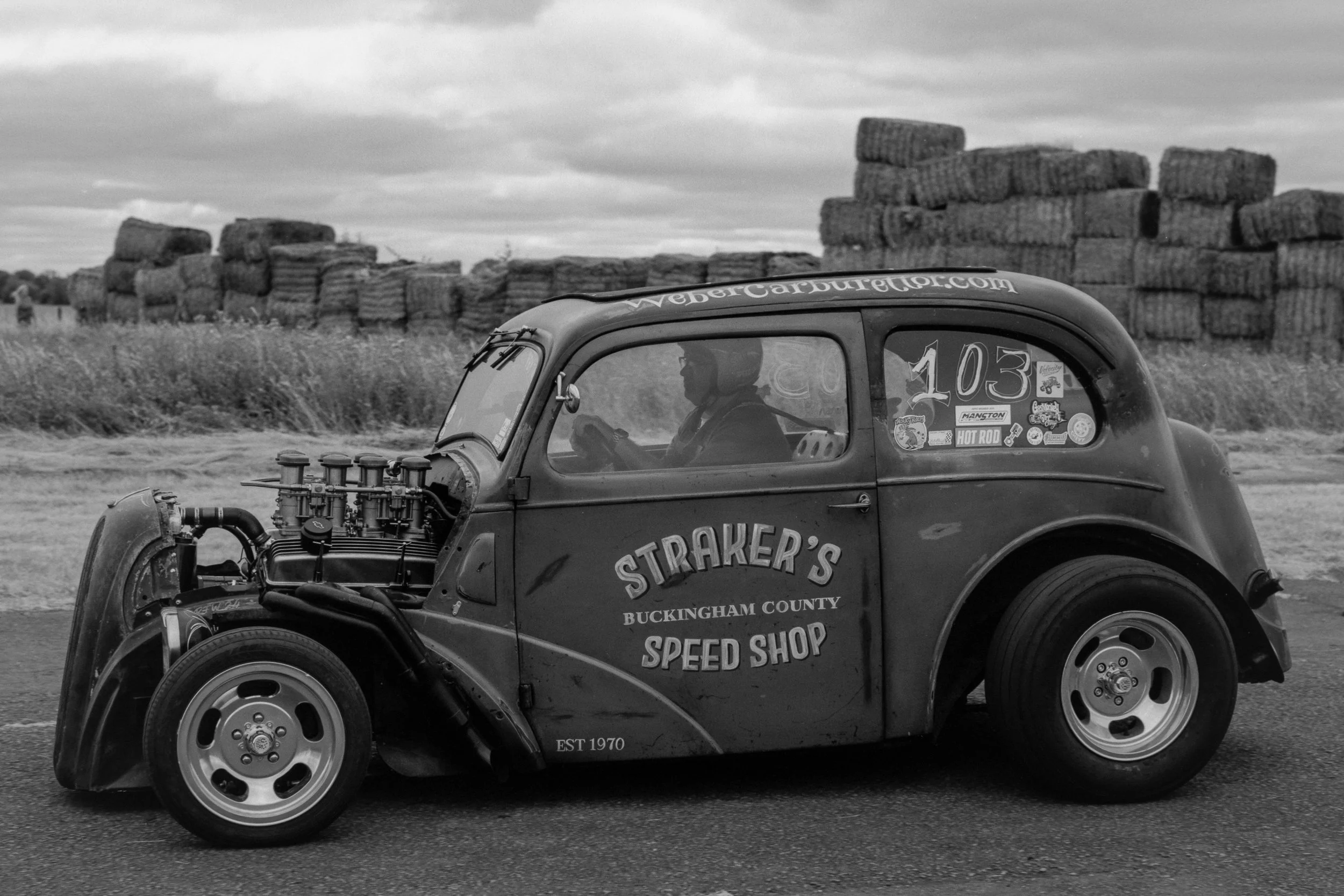

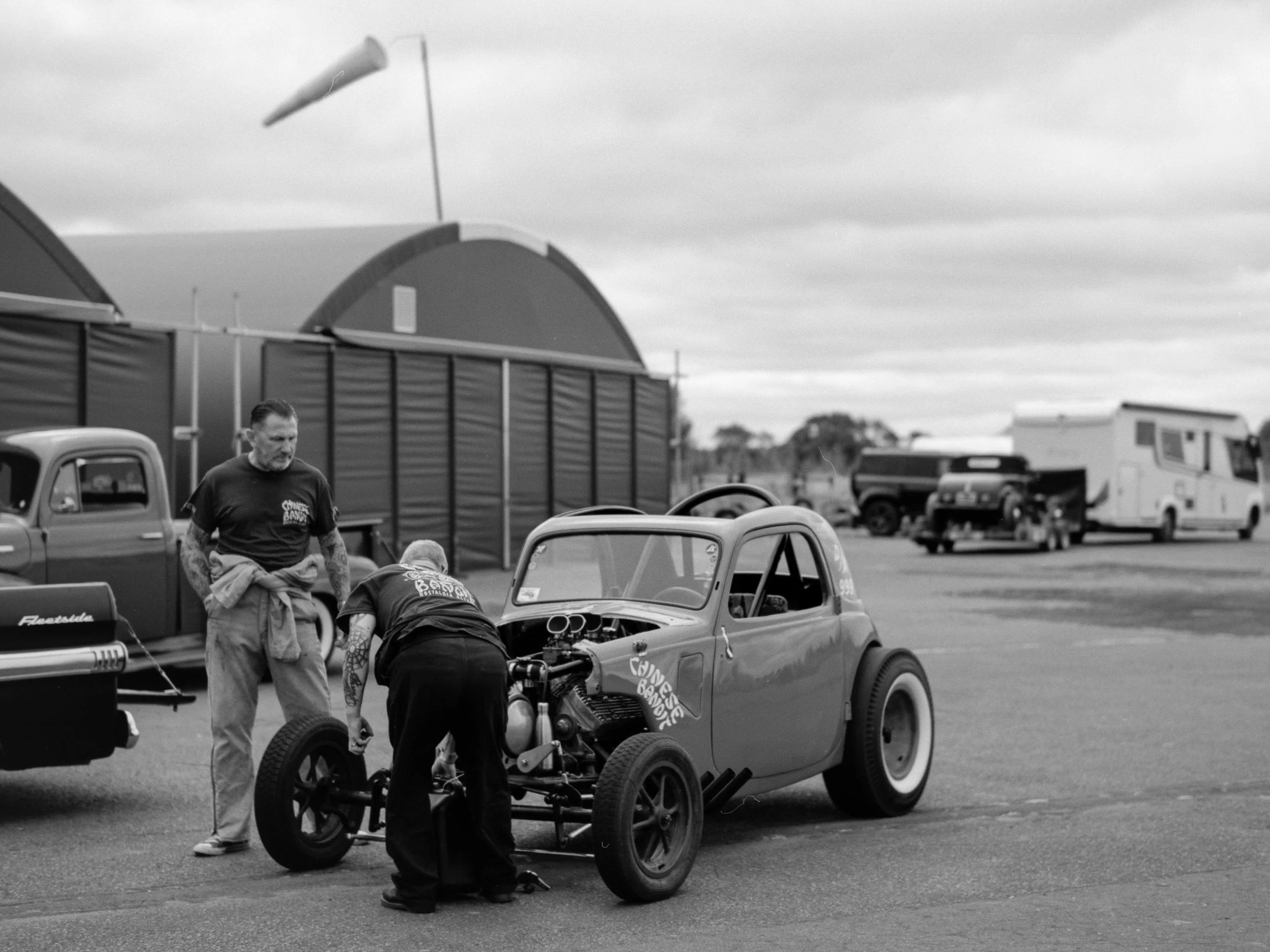
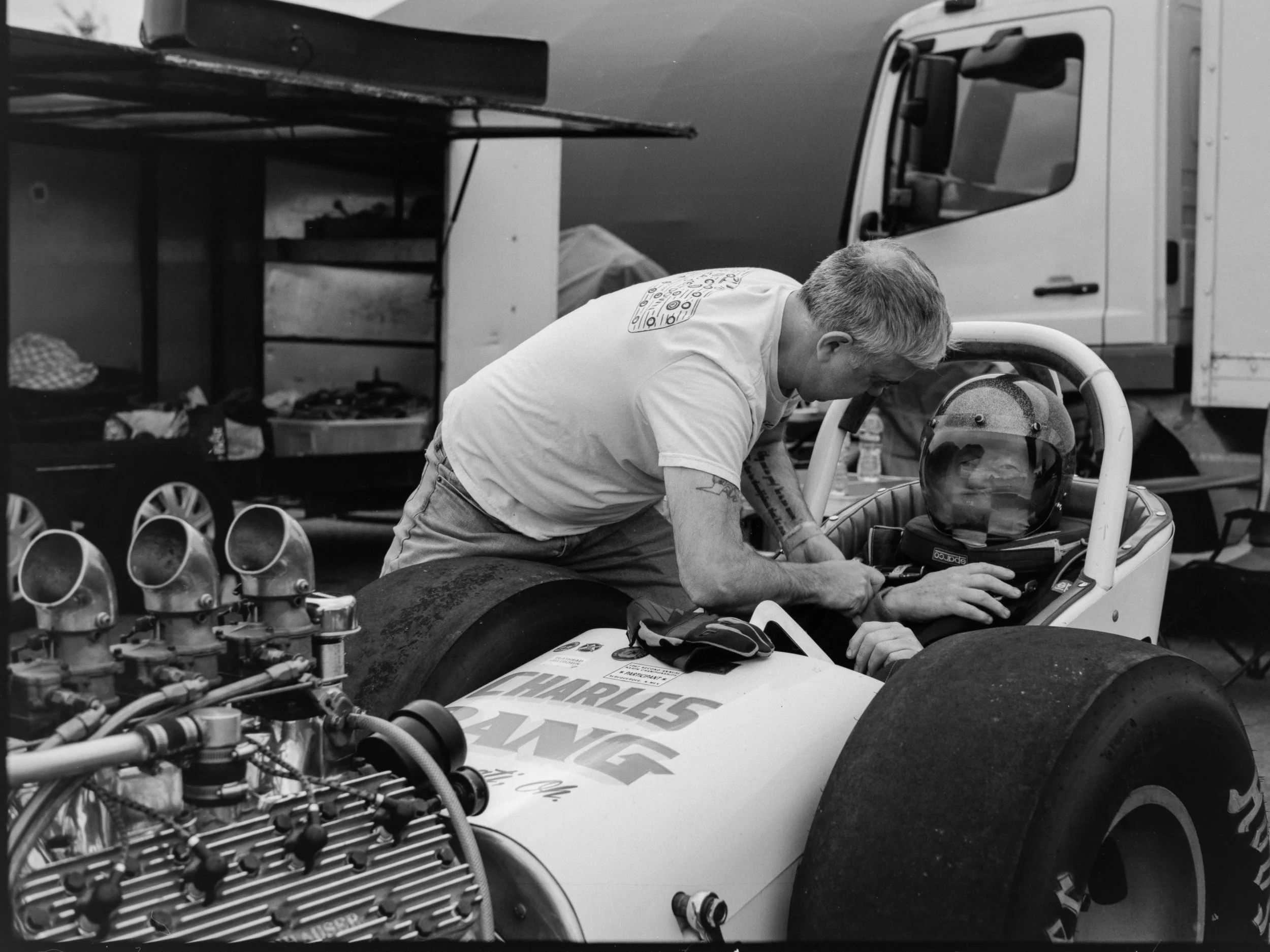
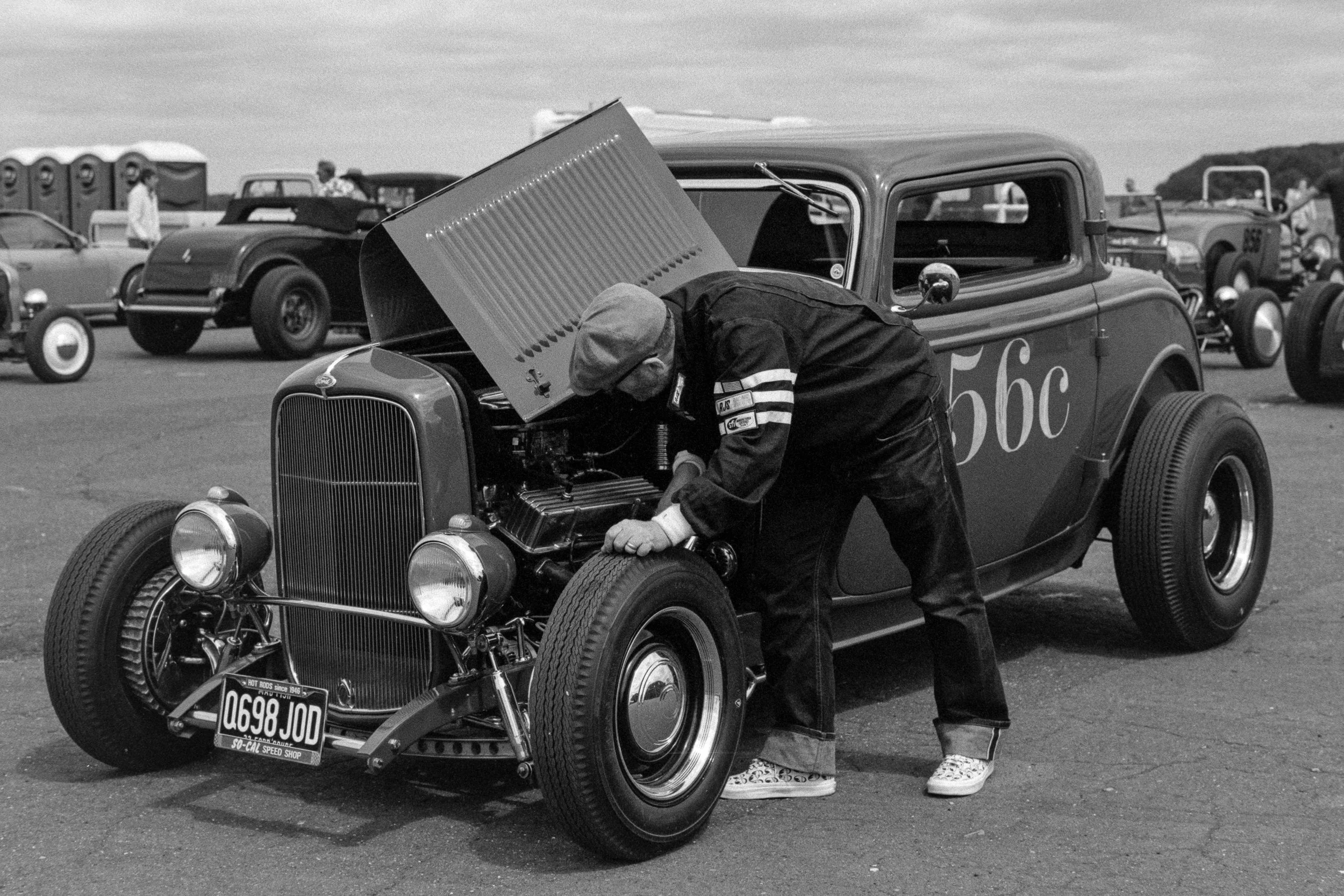
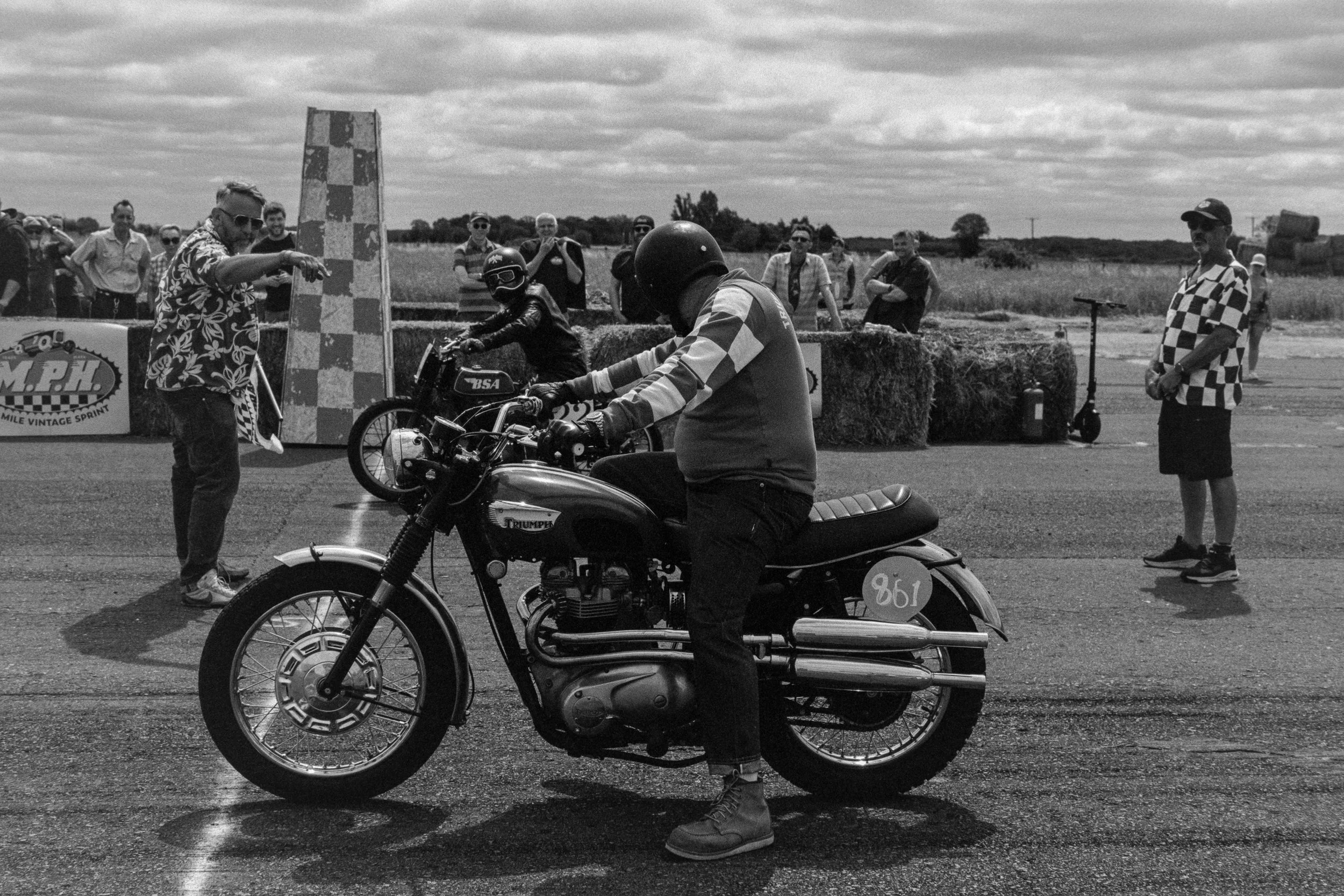
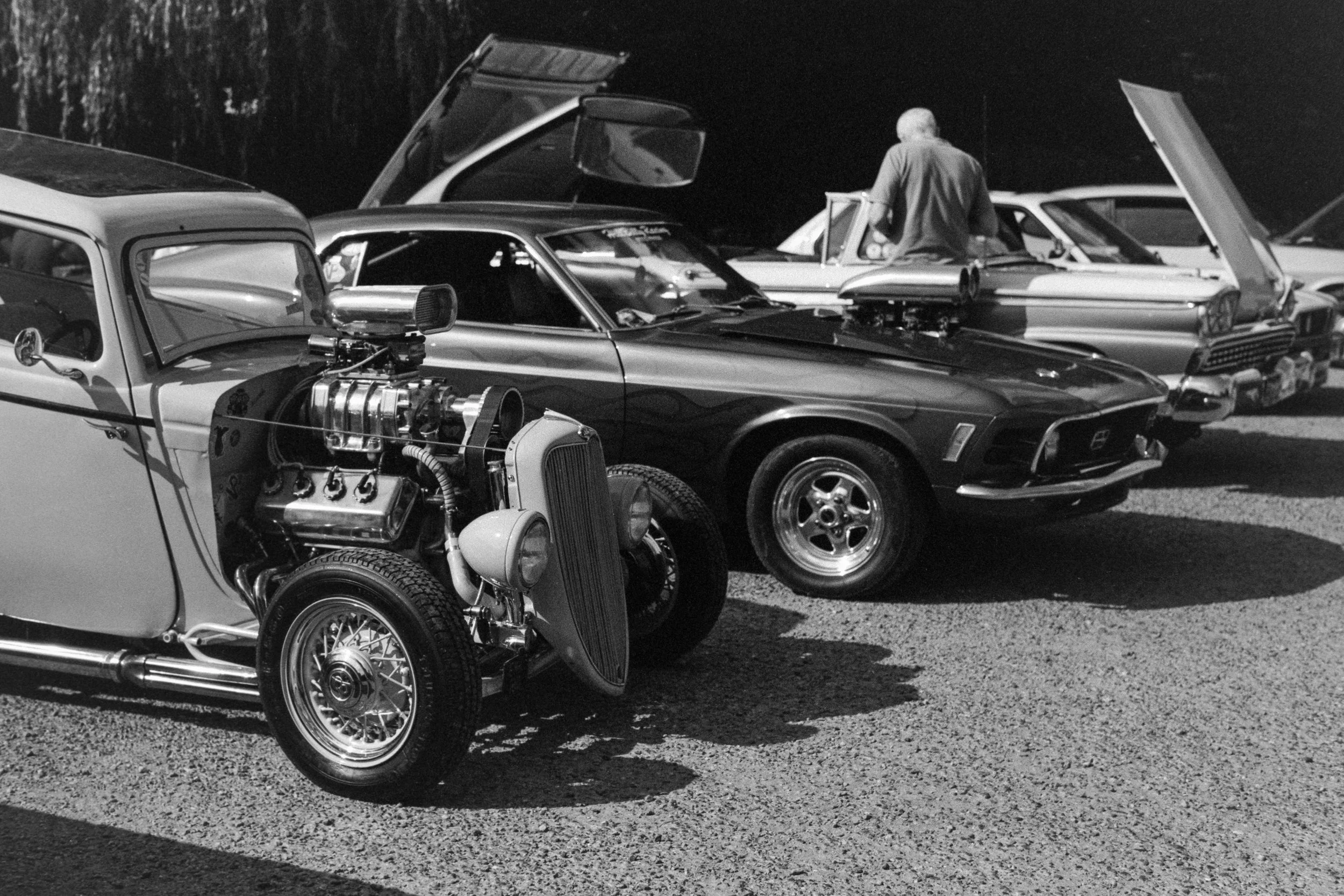
Harman Phoenix - Glorious retro colour tones for vintage cars:
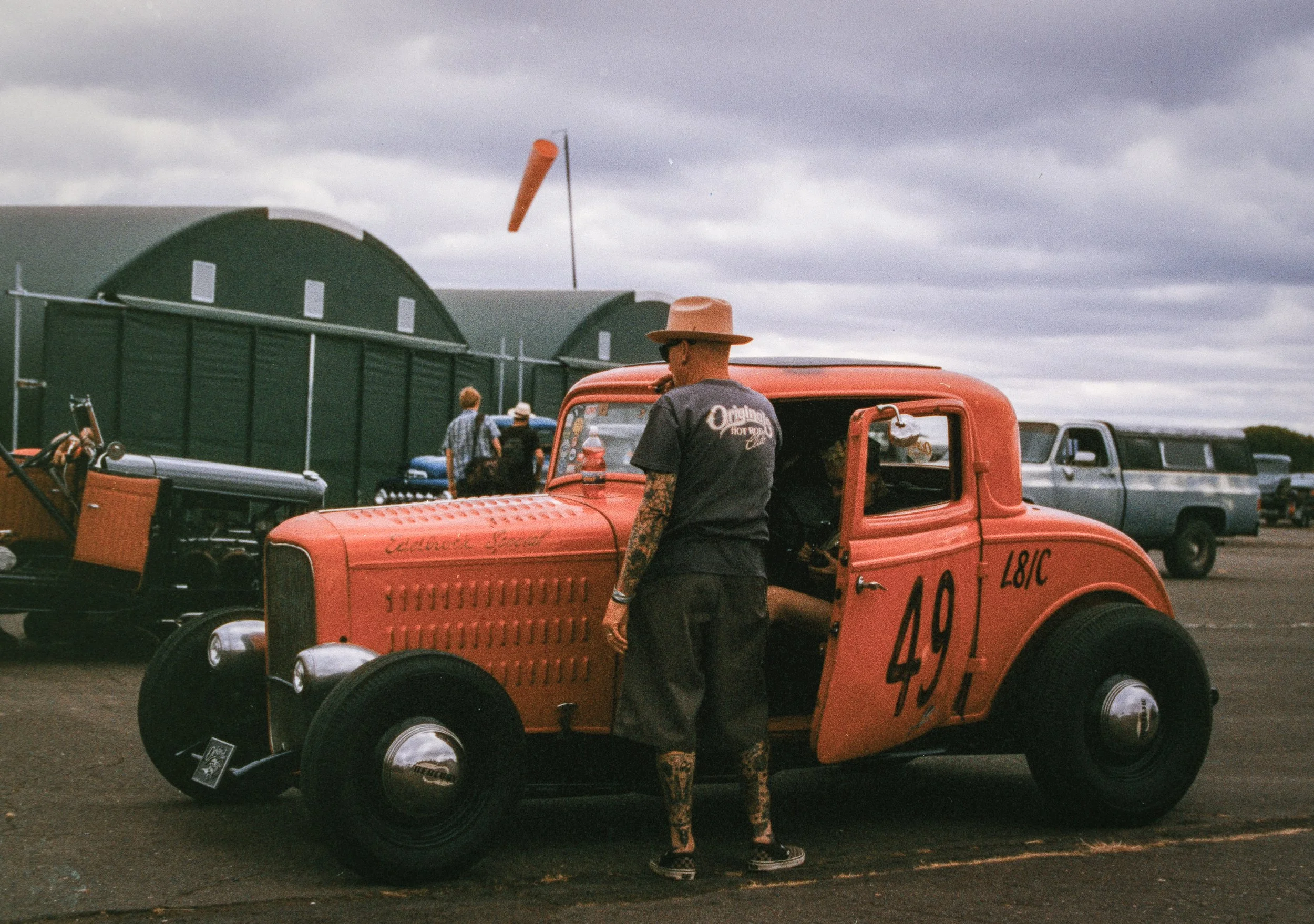
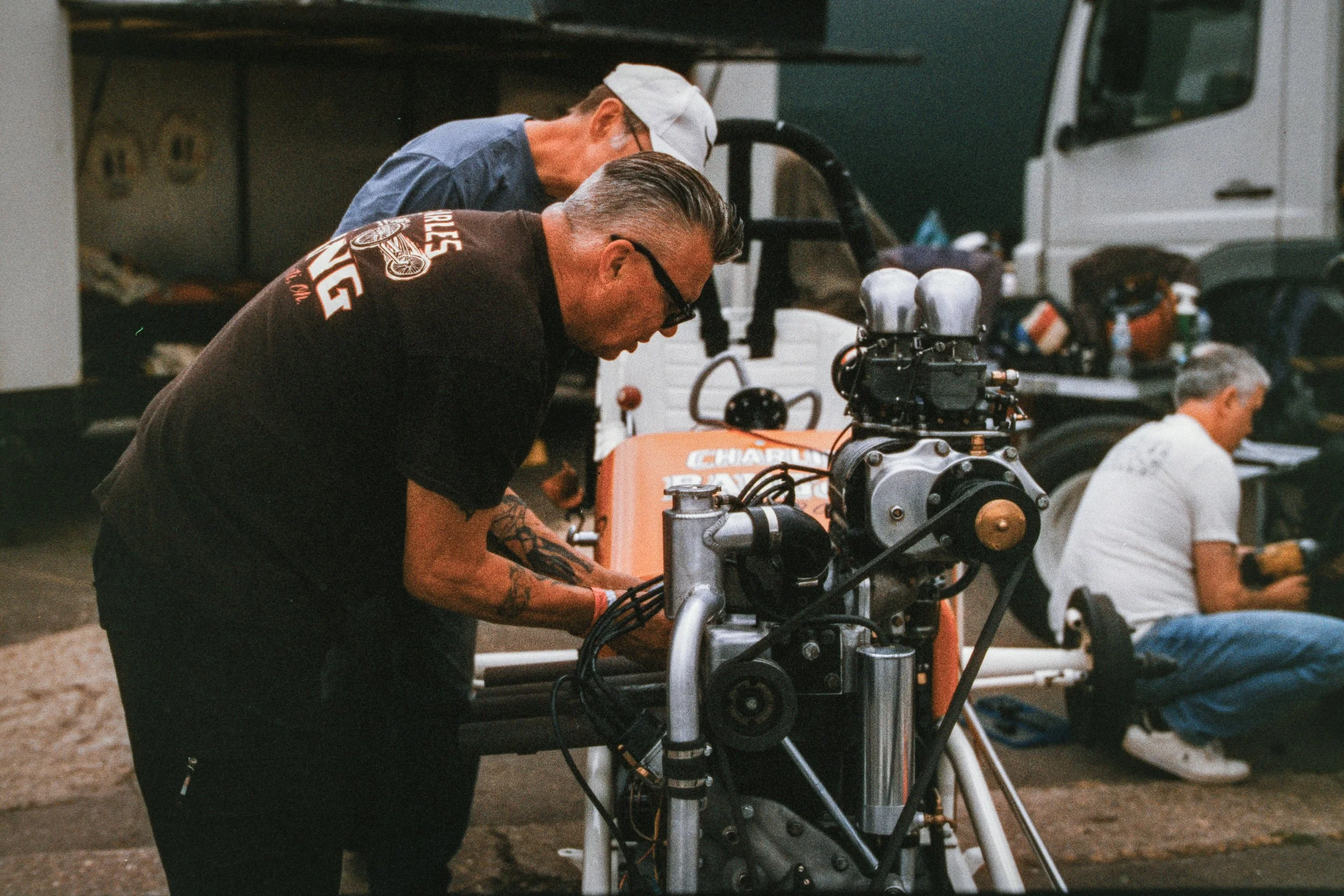
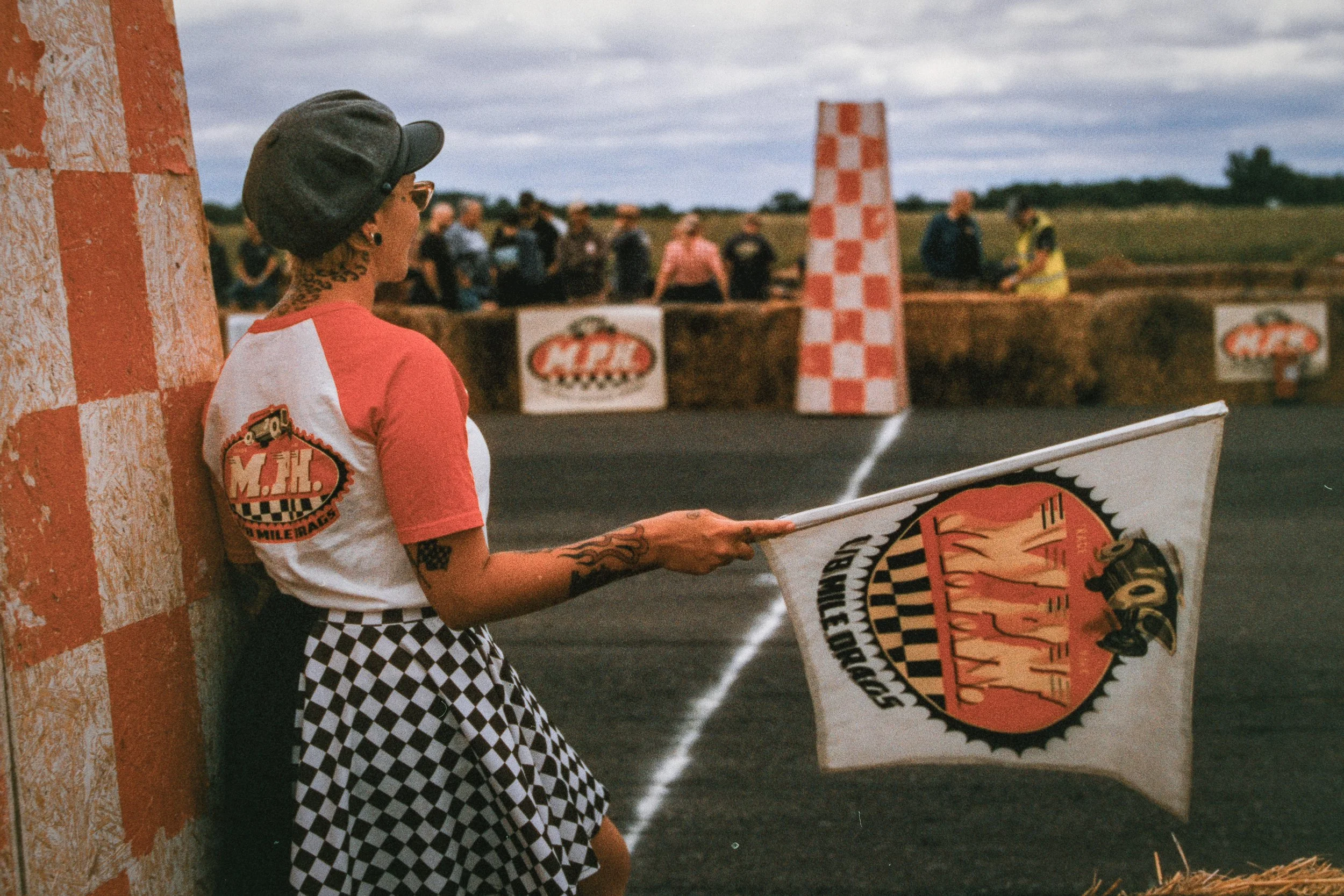
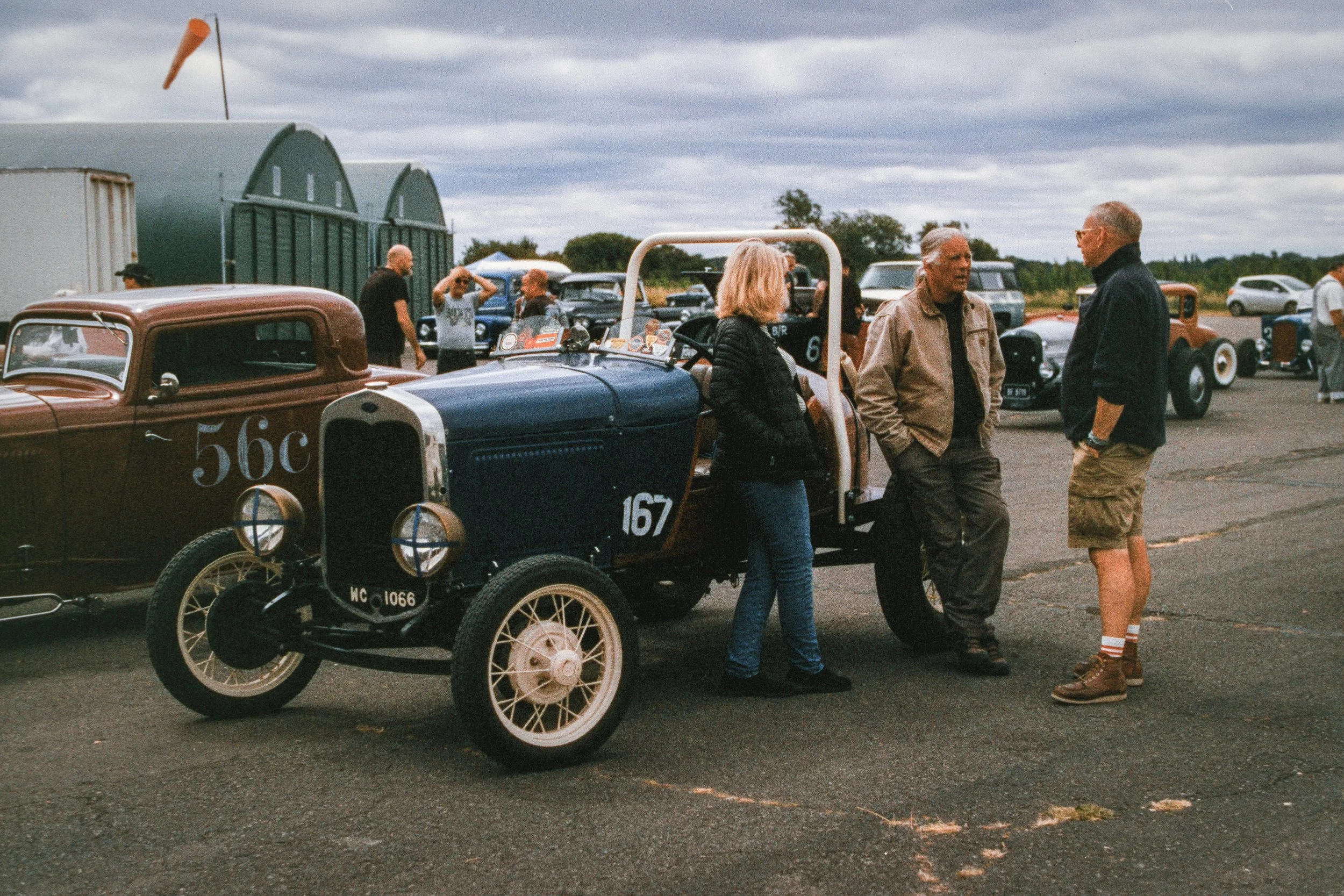
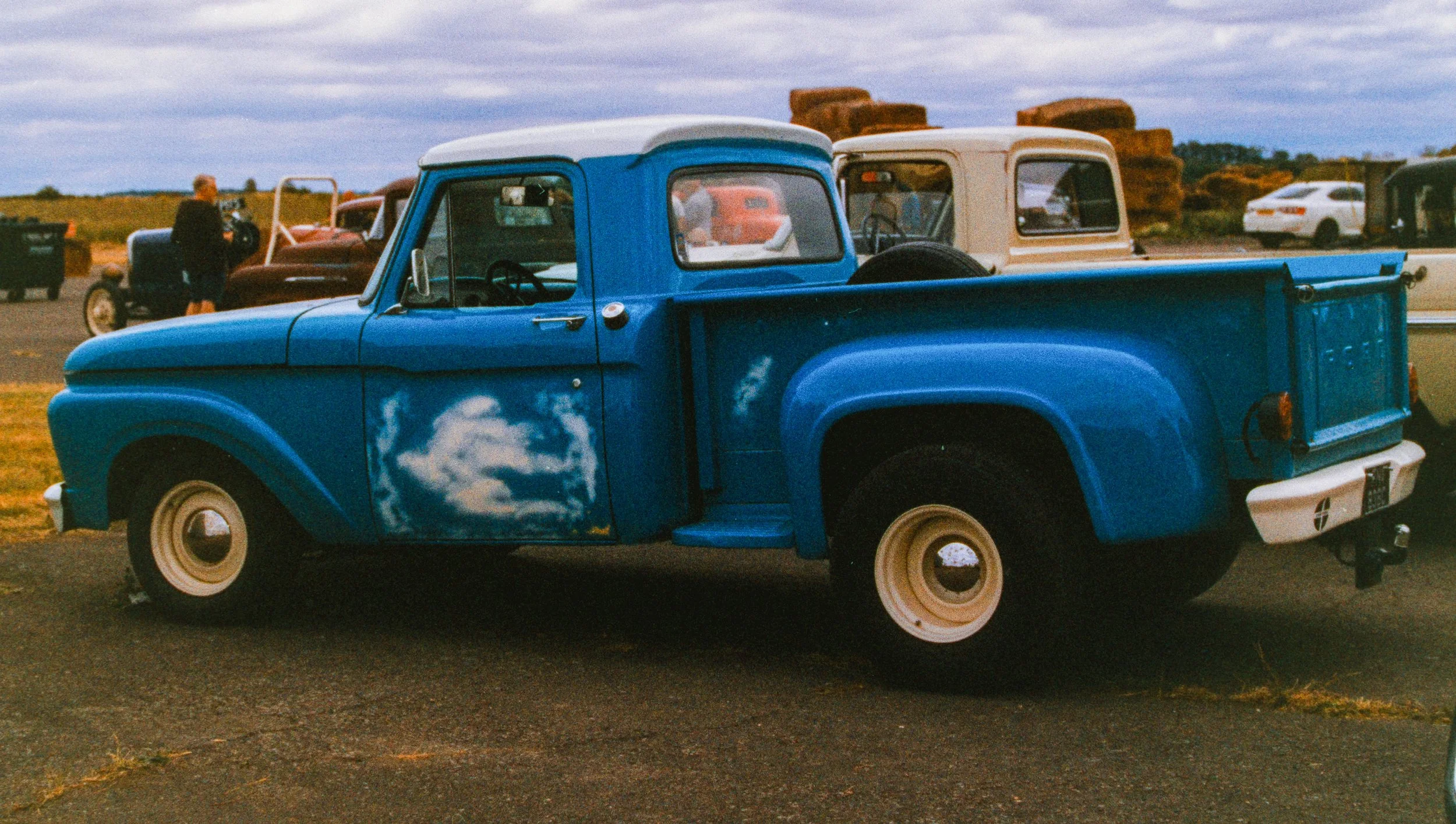
Porta 160 - Professional film from Kodak
Full Frame Digital
All of my cameras use full-frame sensors measuring 35×24mm and give variable resolution from 18 to 60 megapixels. This means I can tailor the file sizes of the images to suit the application and required level of detail. Full-frame cameras have historically been considered professional cameras default but nowadays there is a lot of call for them in the enthusiast market as well.
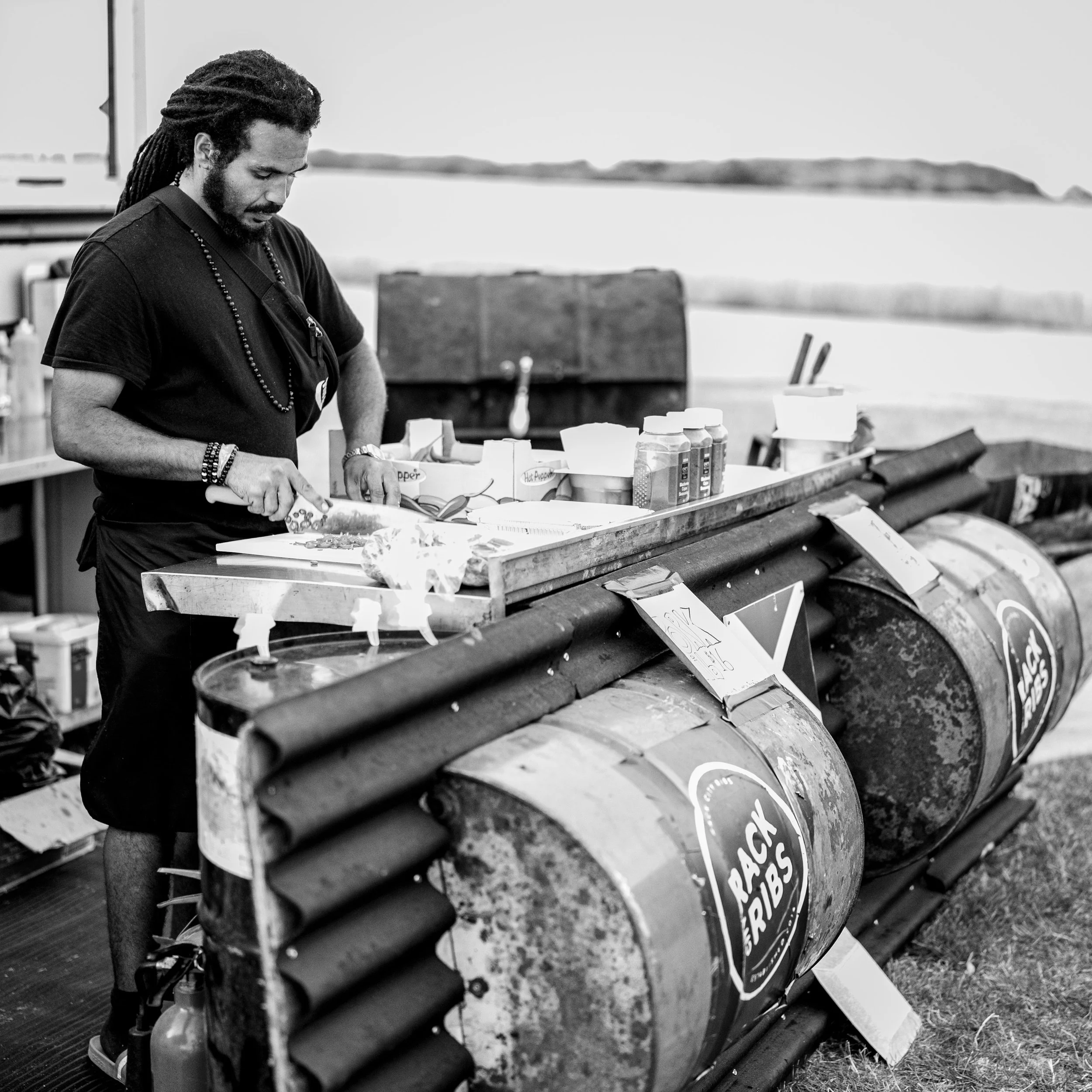
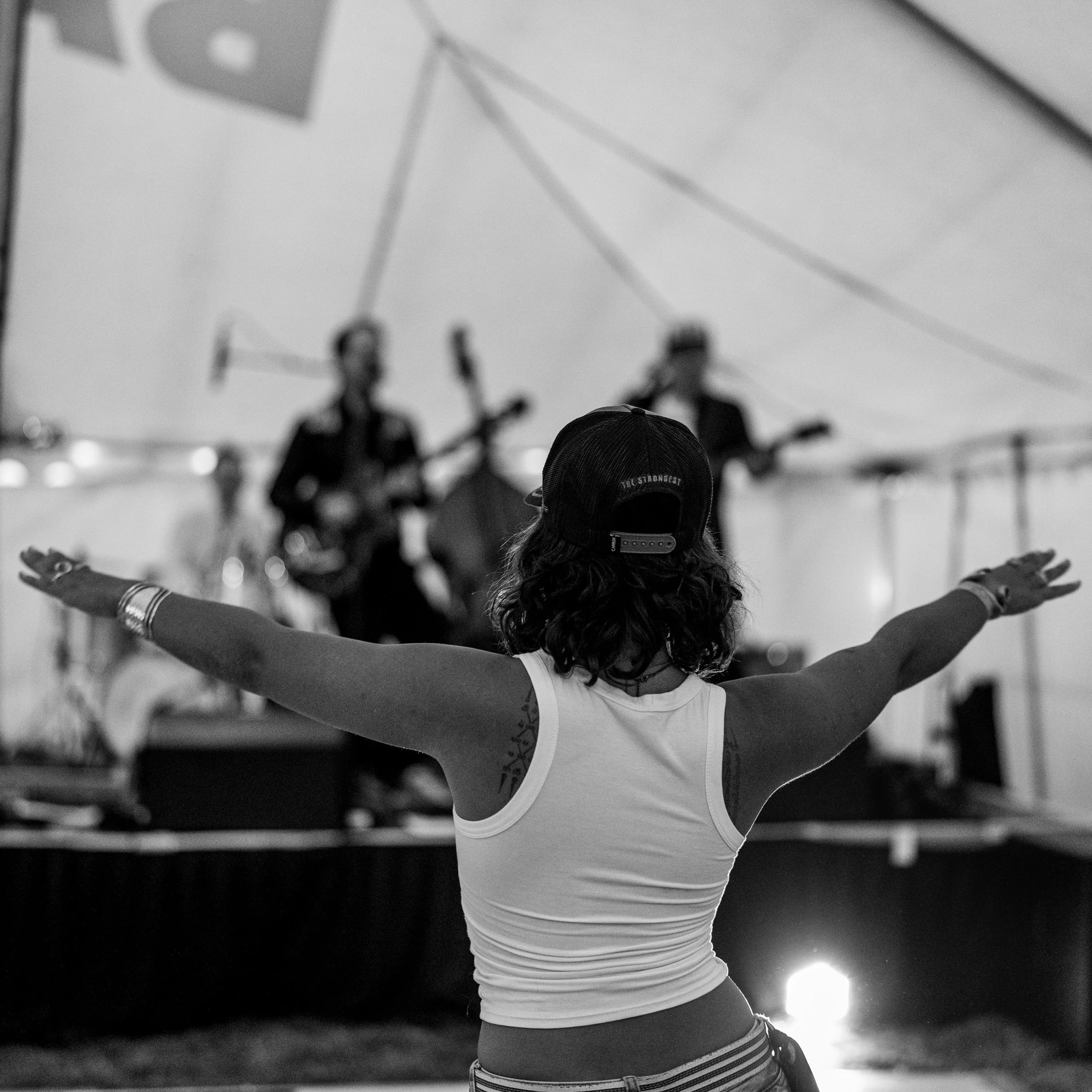
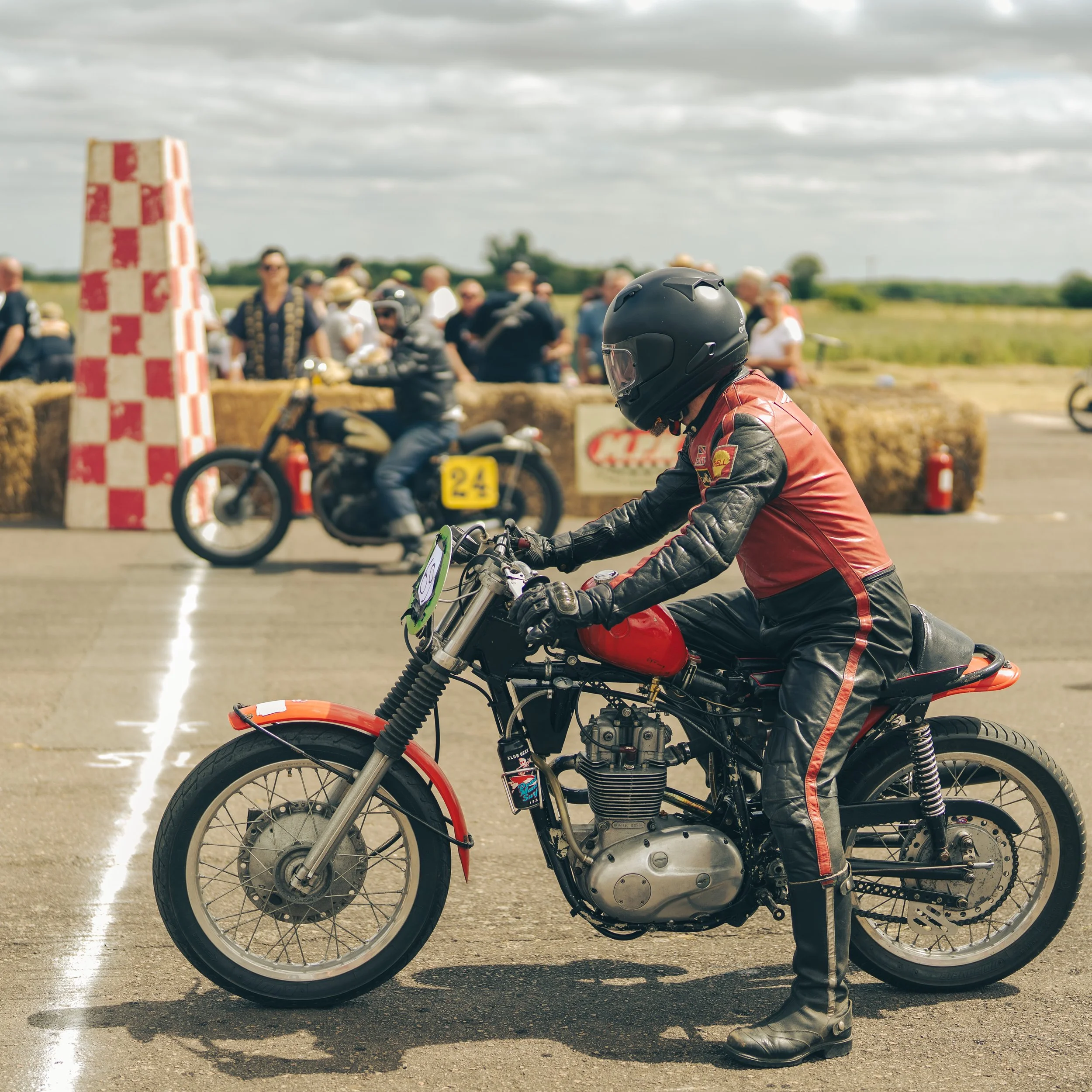
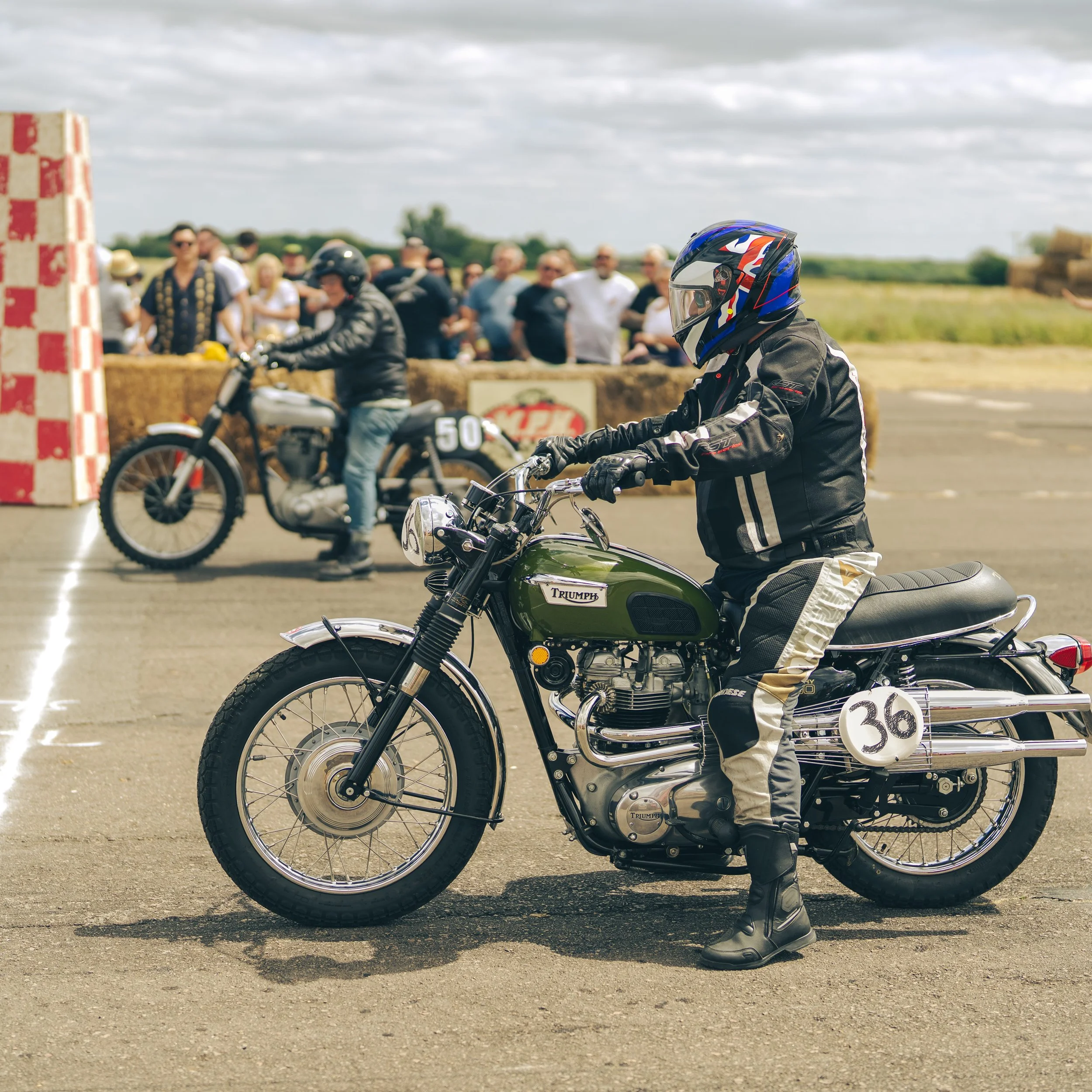
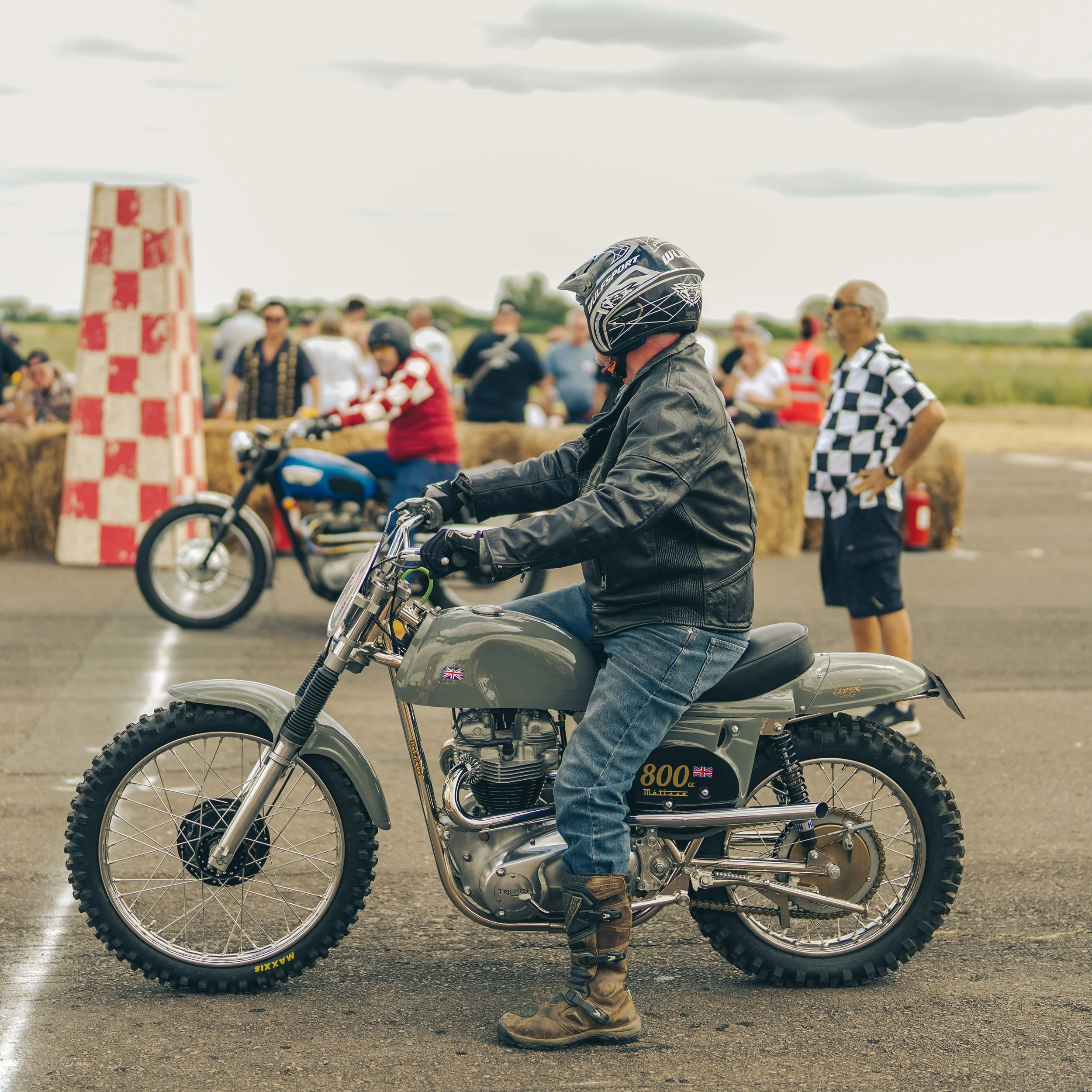
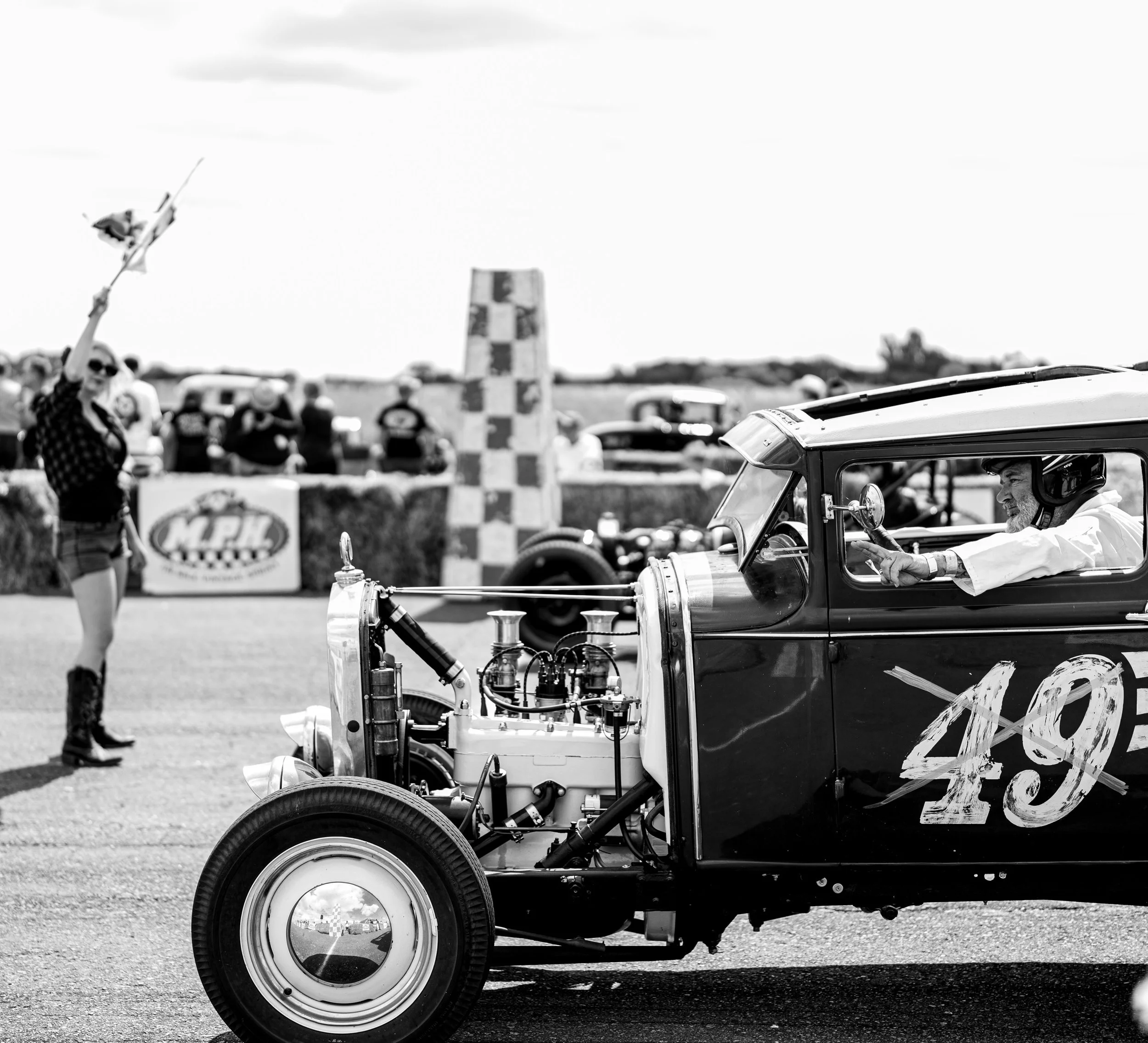
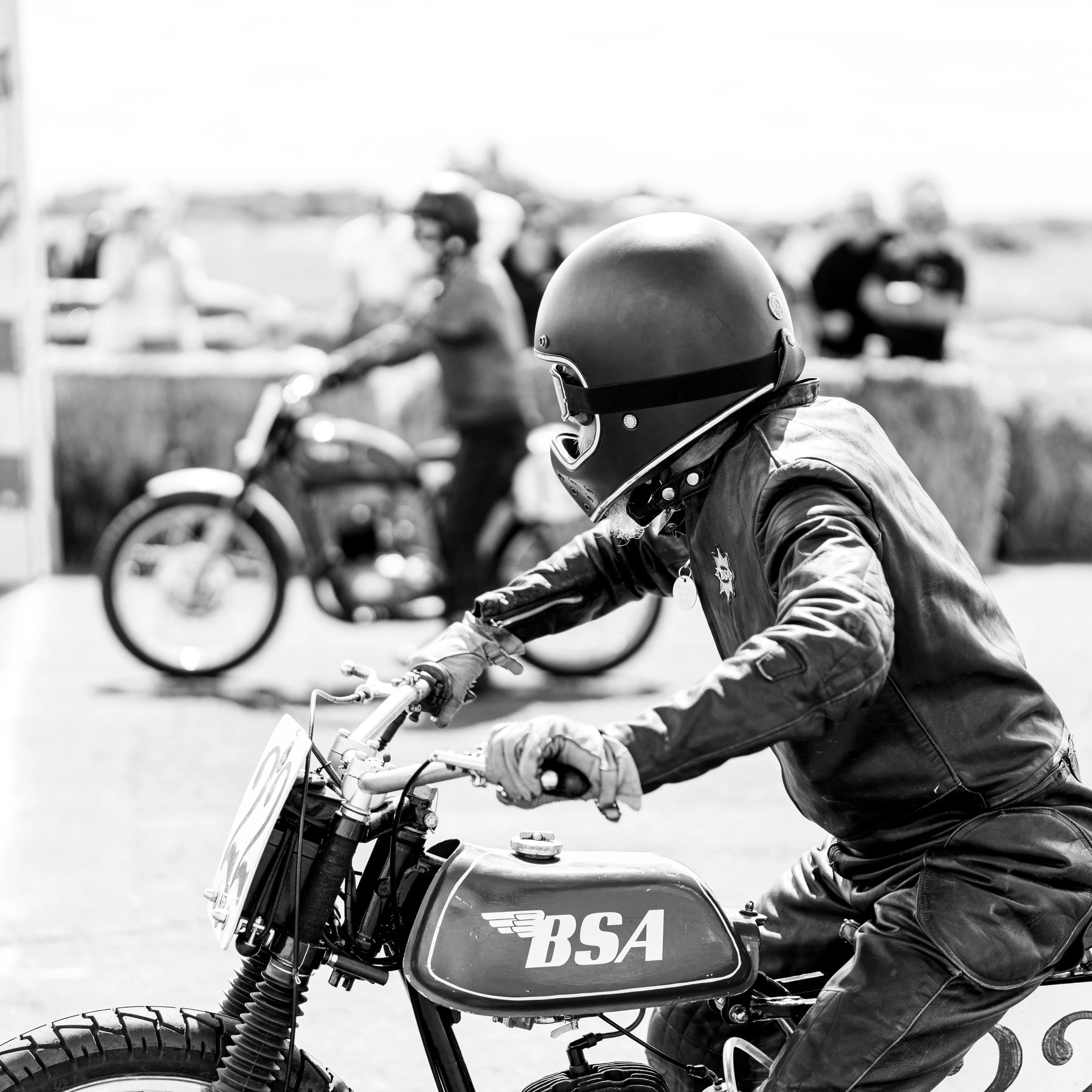
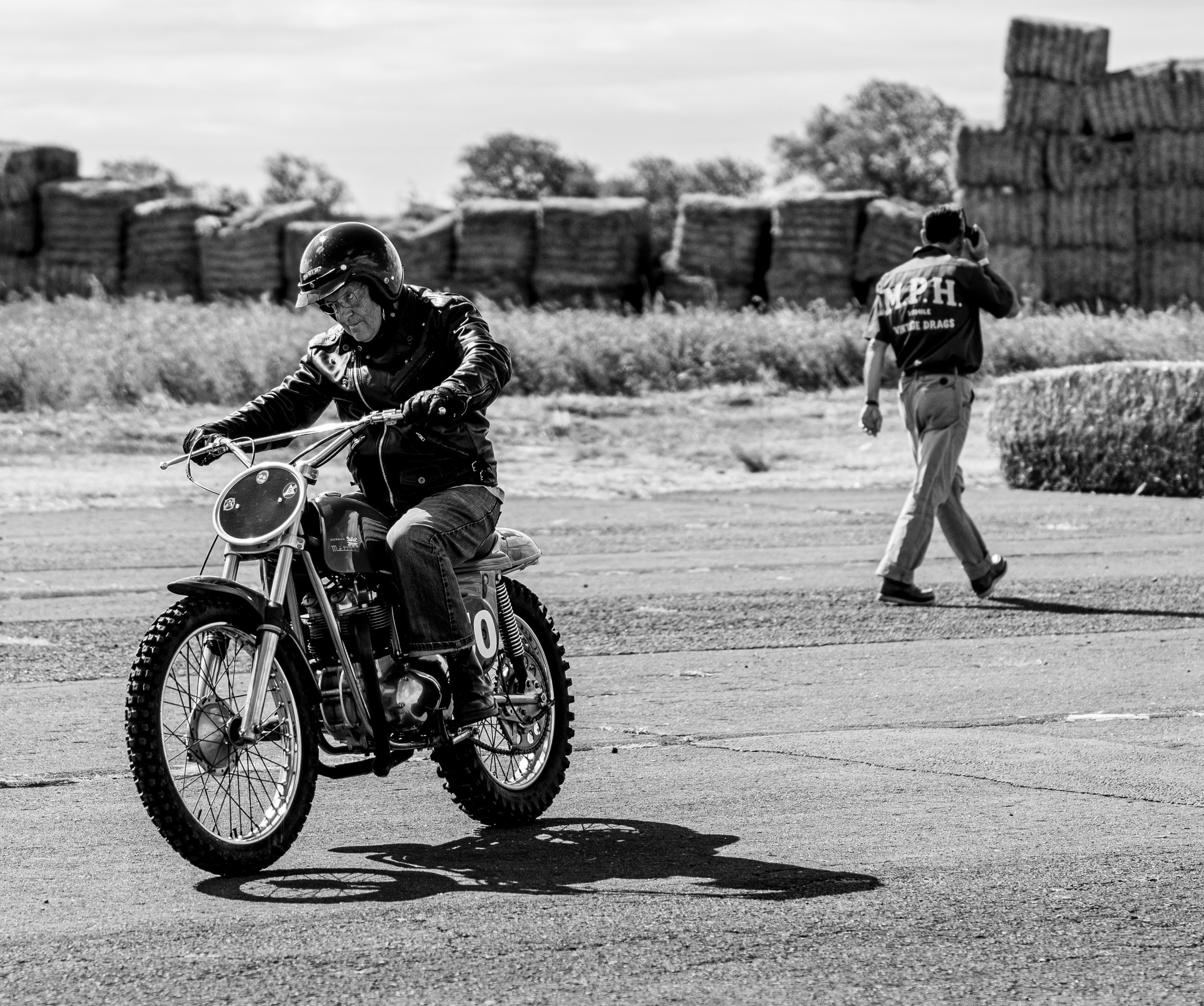
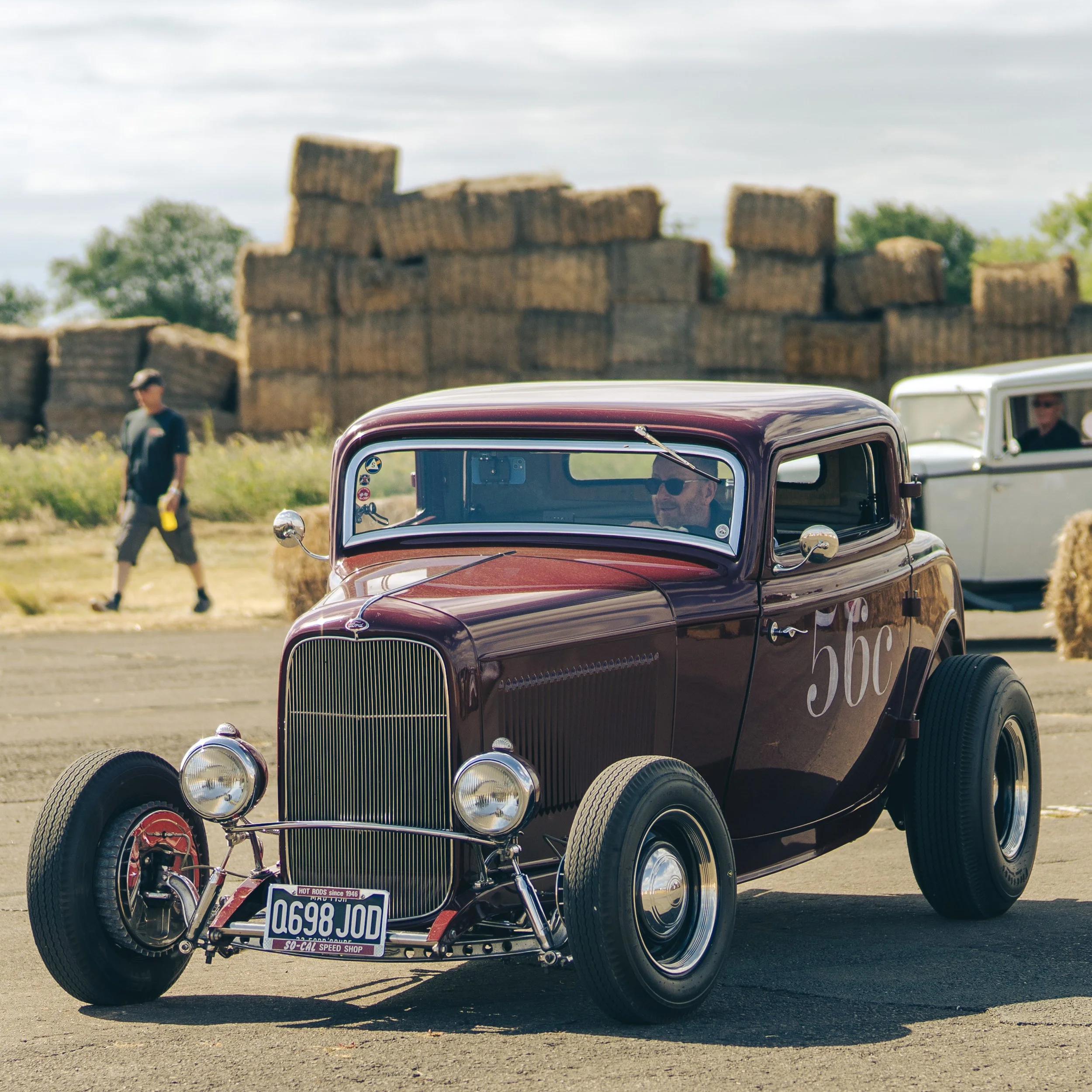
For the vintage car race I use the Sony A7RV with the pro-grip which houses 2 batteries for extra shots. It’s my go-to rig for any kind of professional shoot where the end result and efficiency are top priority.
For this vintage car shoot, I almost exclusively used the 50mm f1.4 GMaster lens, one of my favourite Sony Primes which is perfectly suited to this kind of work for the reasons I mentioned earlier.
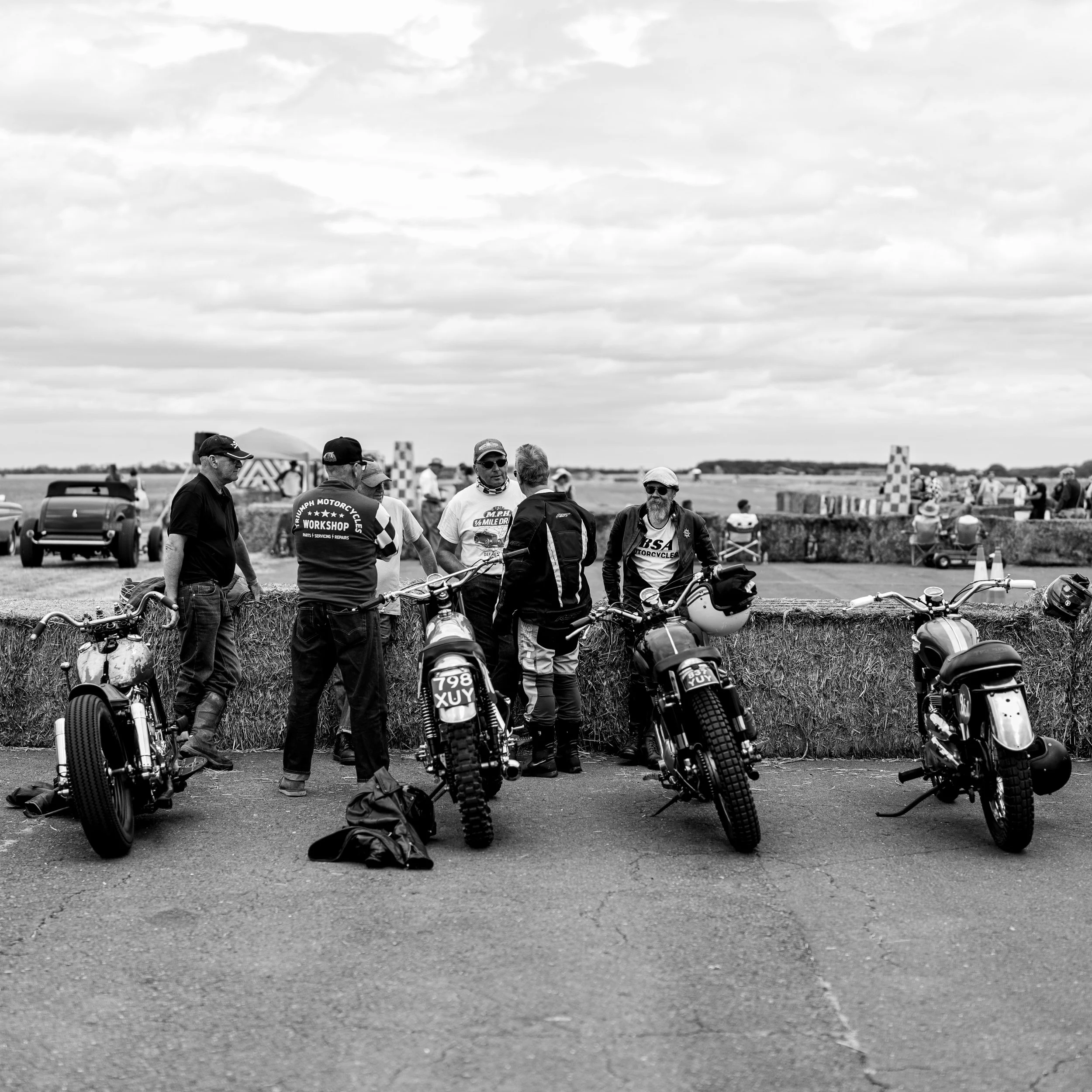
The Hotrod guys love Black and white images and I have created a standard preset for them which gives a nice contrasty look. I can also drop a little digital grain into the images for a nice film-inspired look too if needed.
Another higher profile professional shoot in London also saw the Sony A7RV pressed into service but this time with a more versatile 24-70mm f2.8 GMaster zoom lens which is superbly accurate and best for any sort of event work where you need to frame shots quickly.
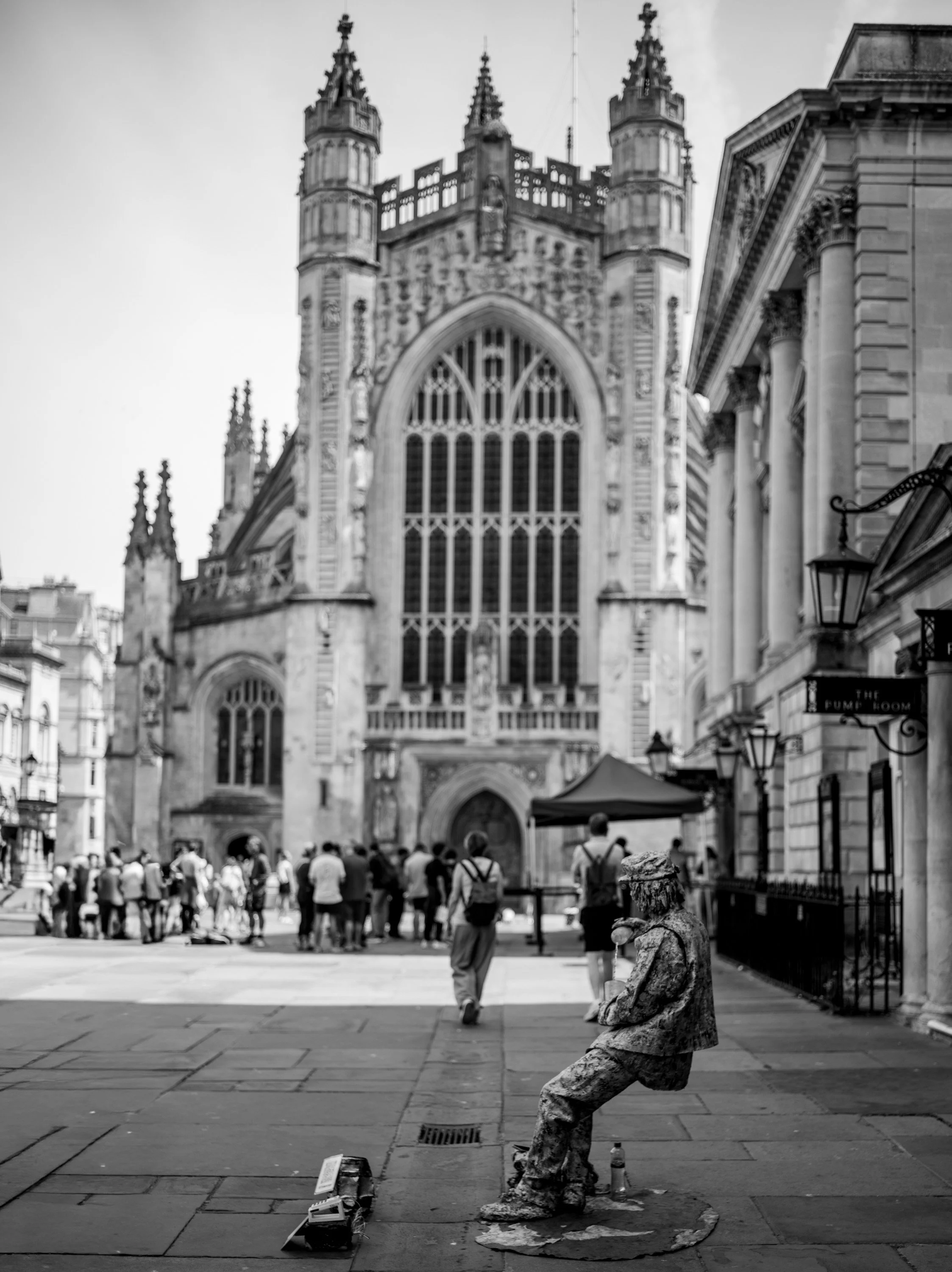
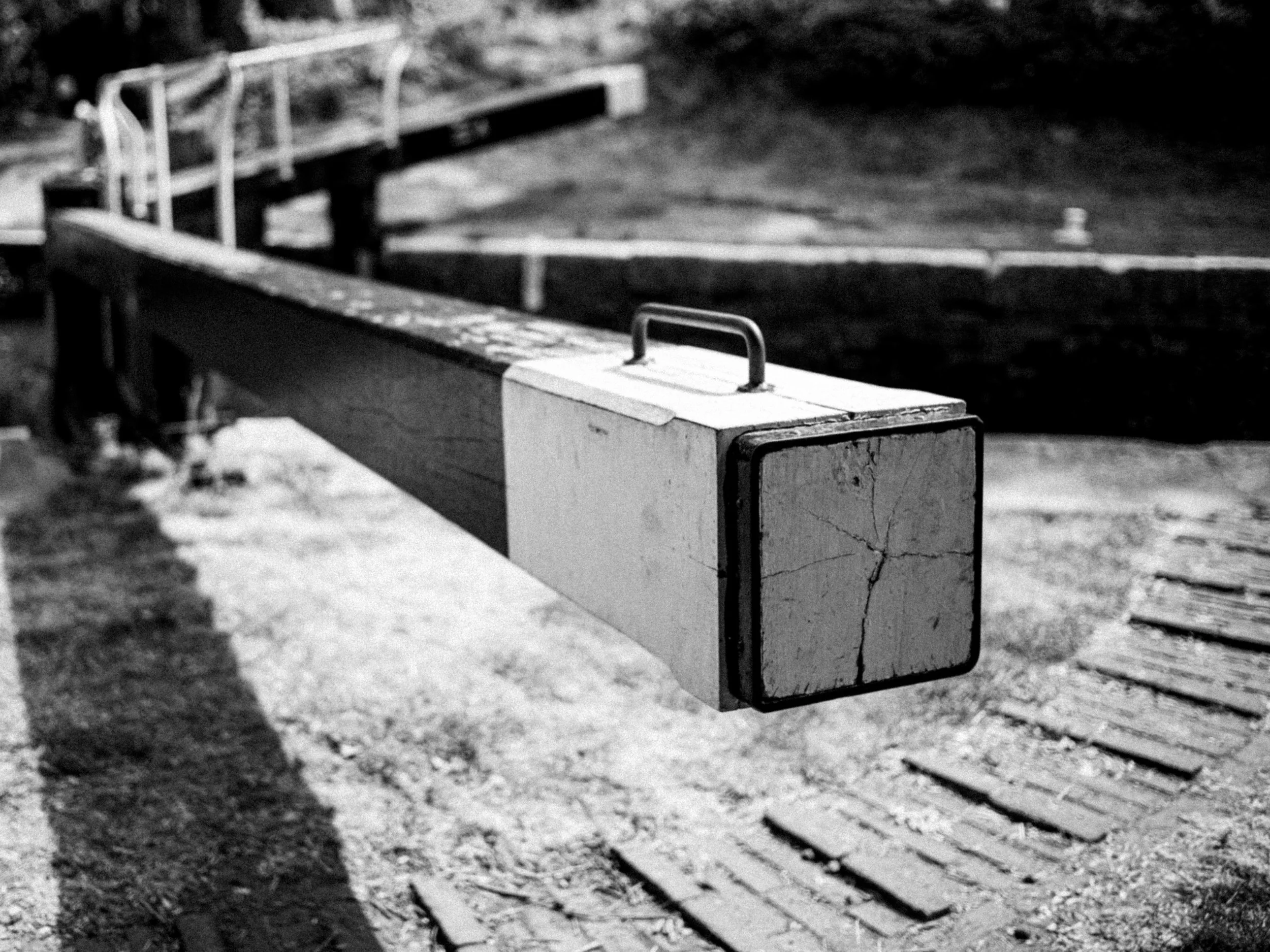
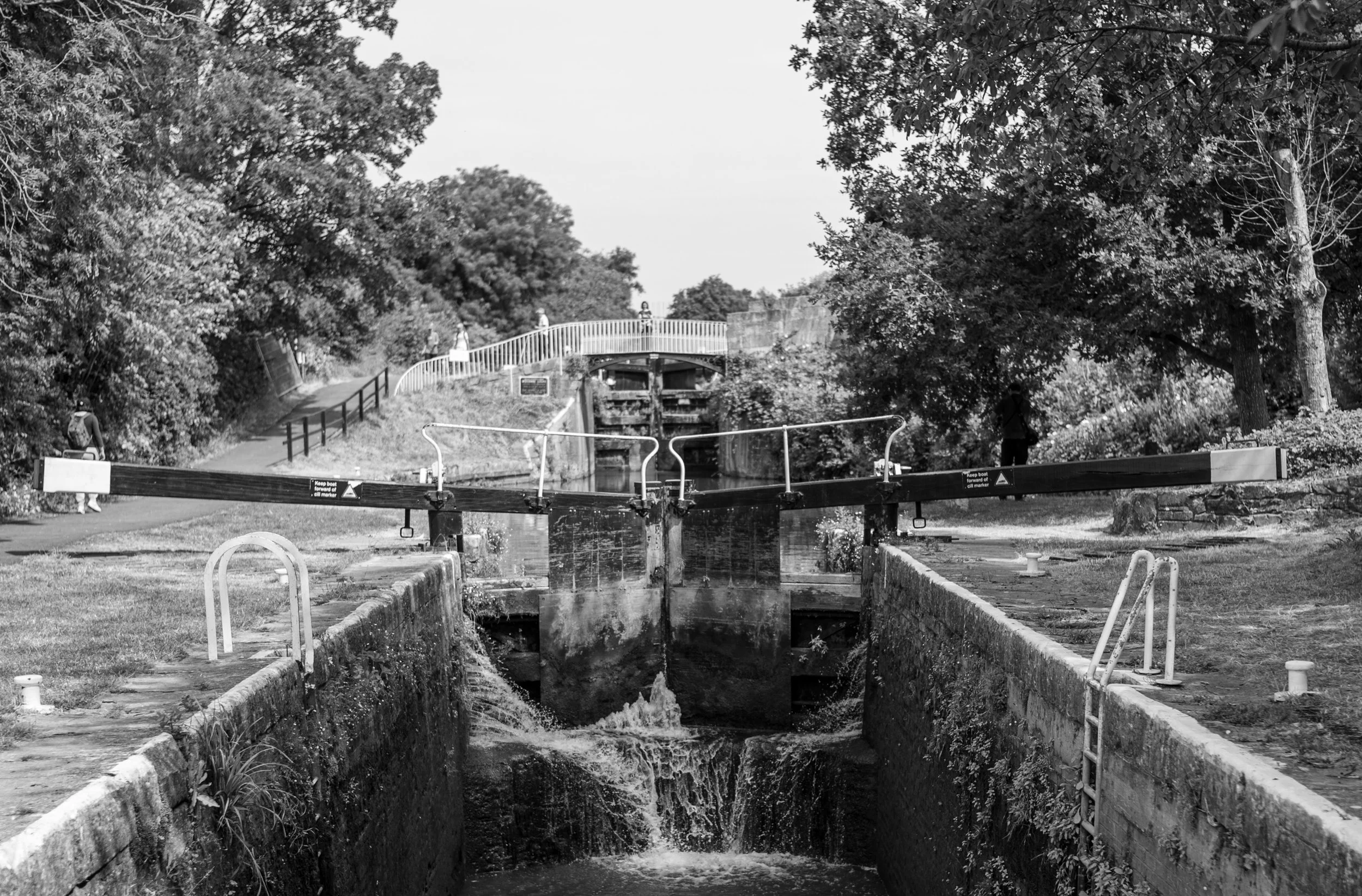
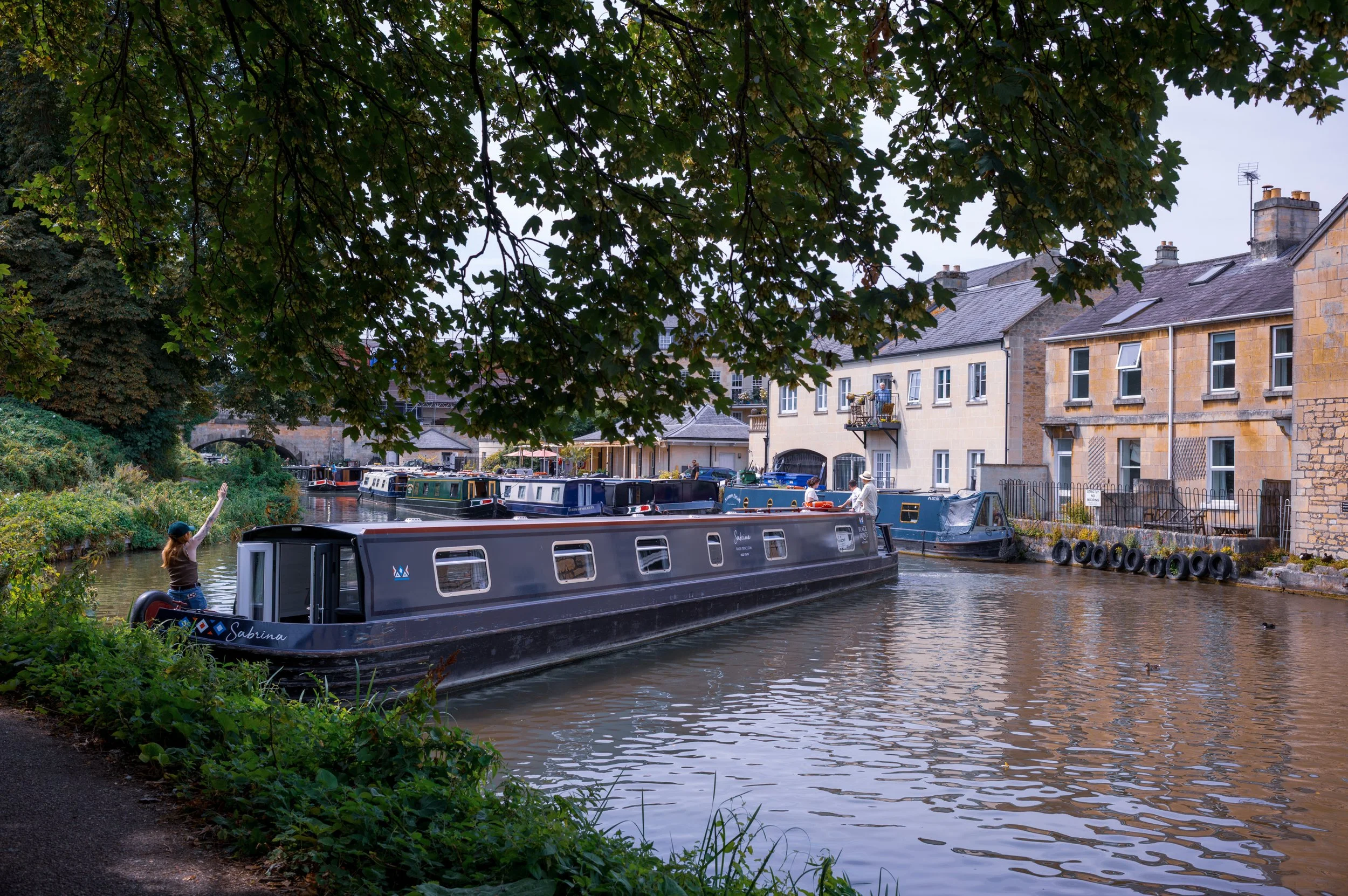
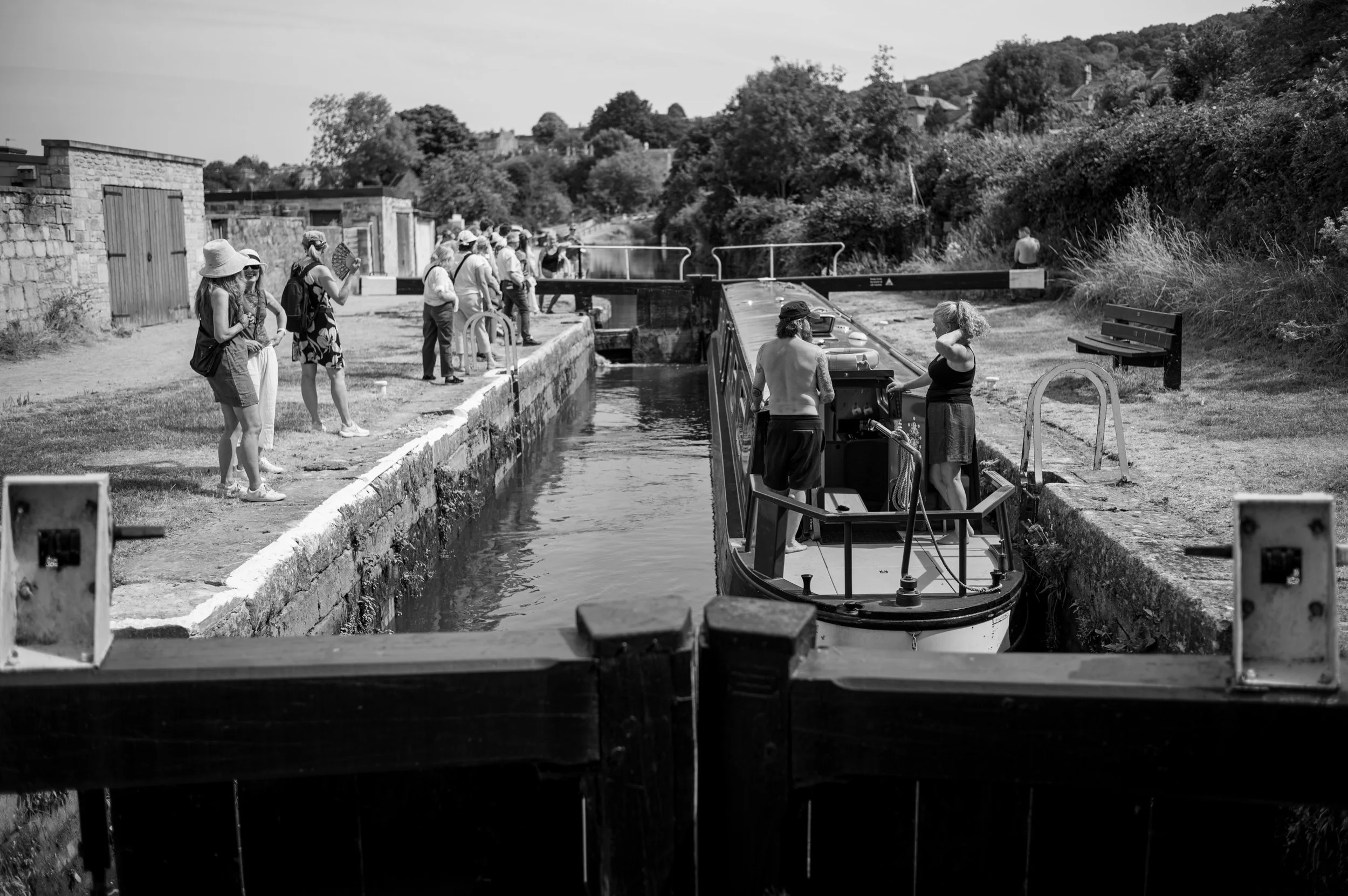
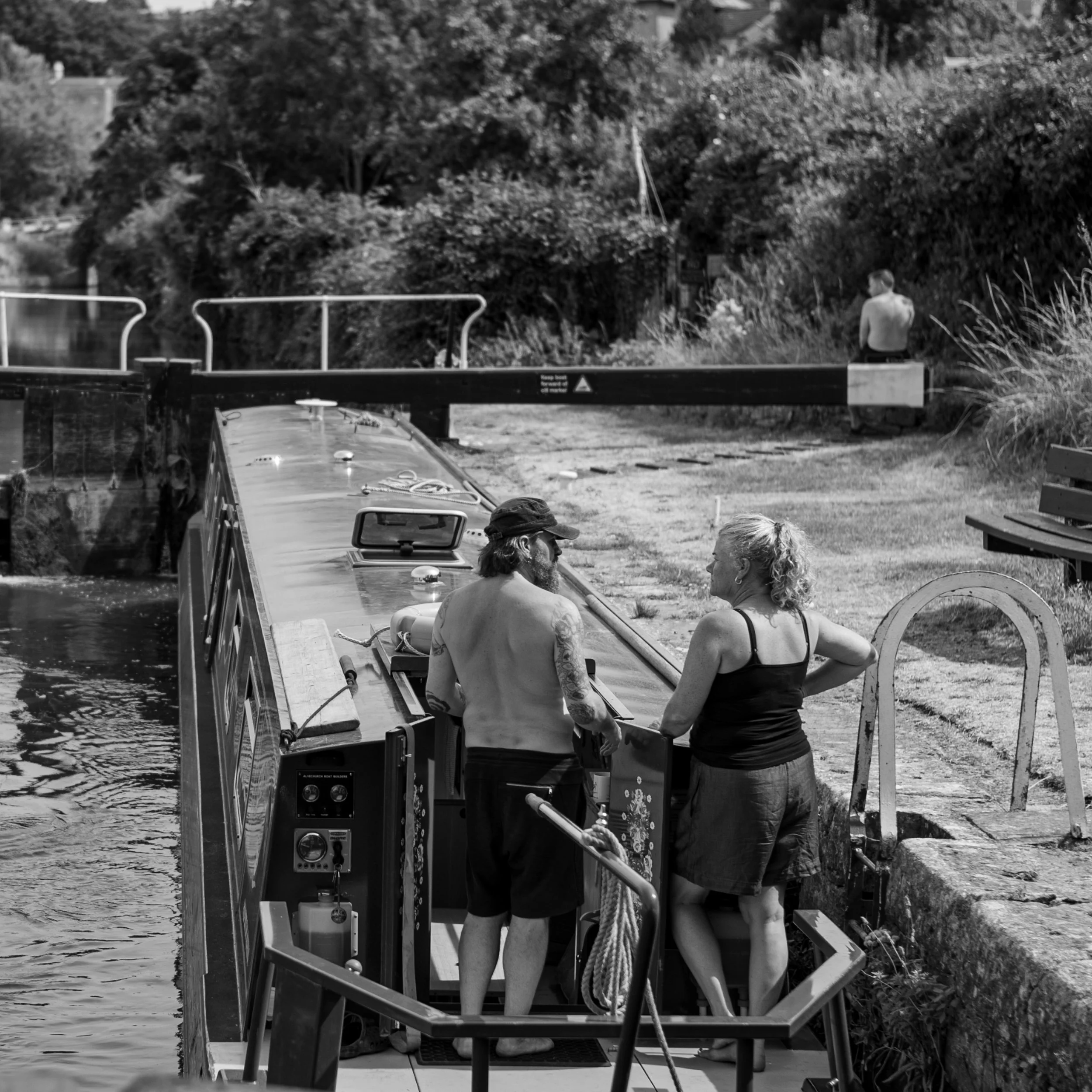
Finally, meeting up with my friend Tom, who single handedly built the Leica Community around Bristol, I took my Leica M11 and went for a walk around in Bath doing street photography. Something I used to do a lot of but I am a little out of practice at the moment. It’s good to see I can still do it, but I’m definitely rusty.
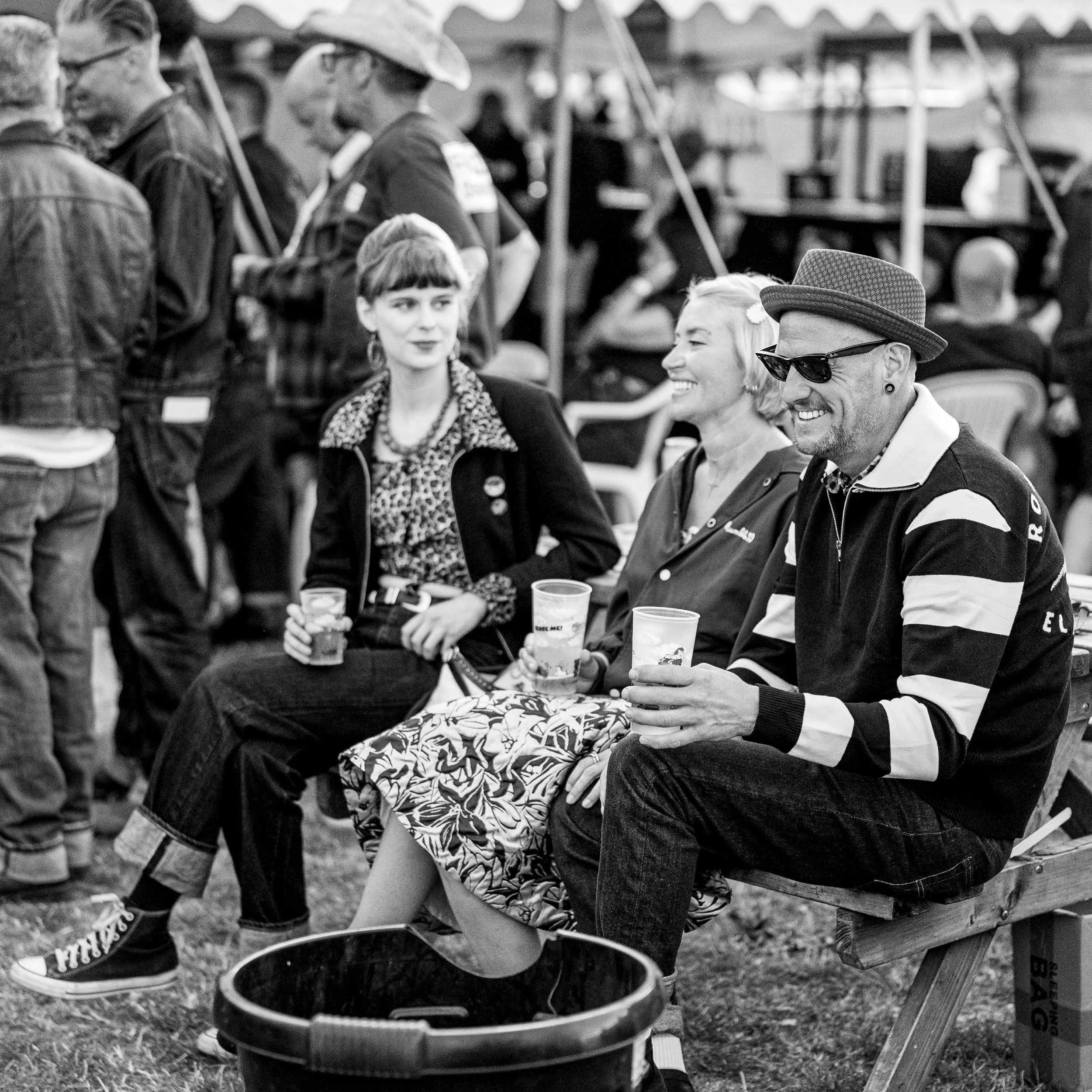
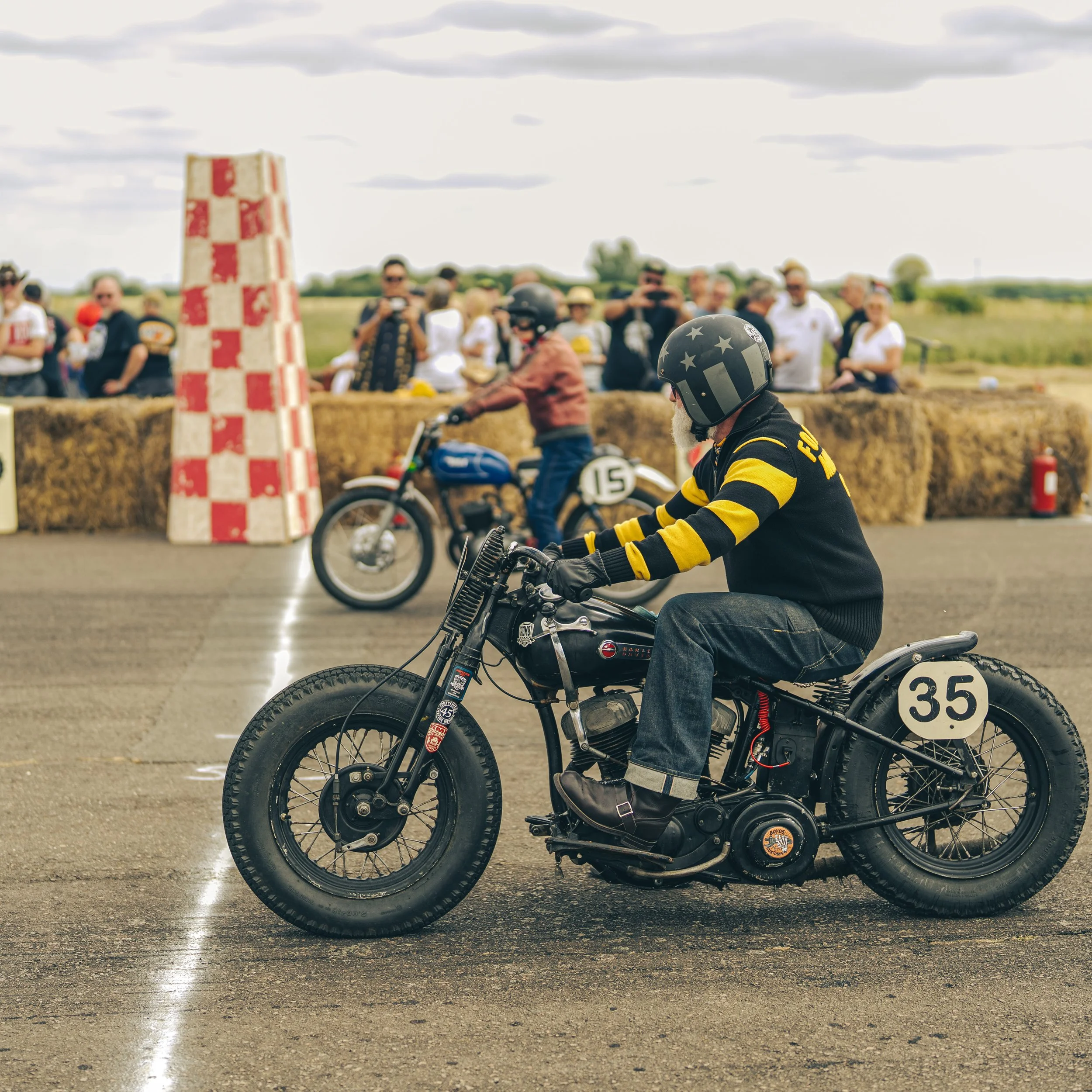
Vintage Cars & Bikes shot on the Sony
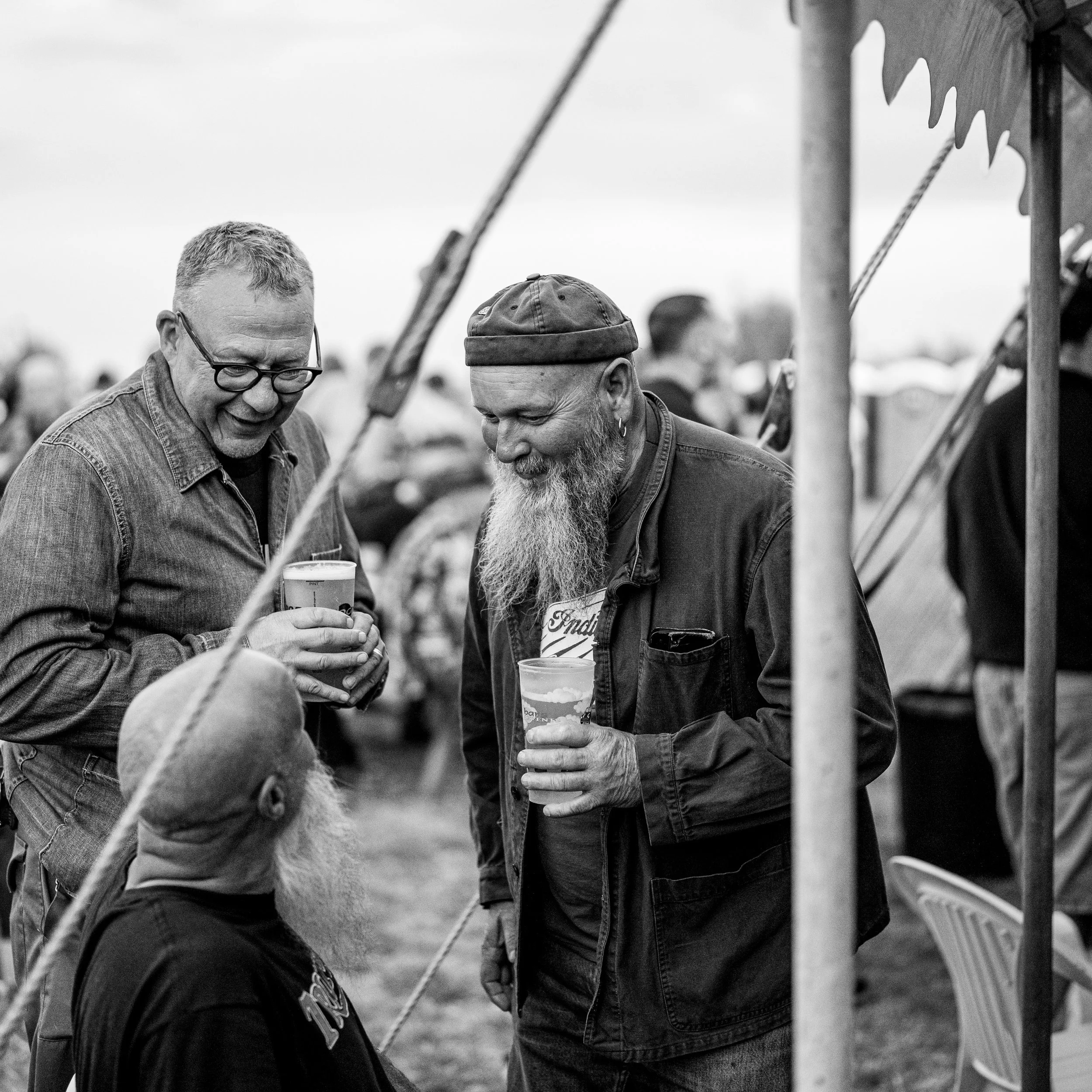
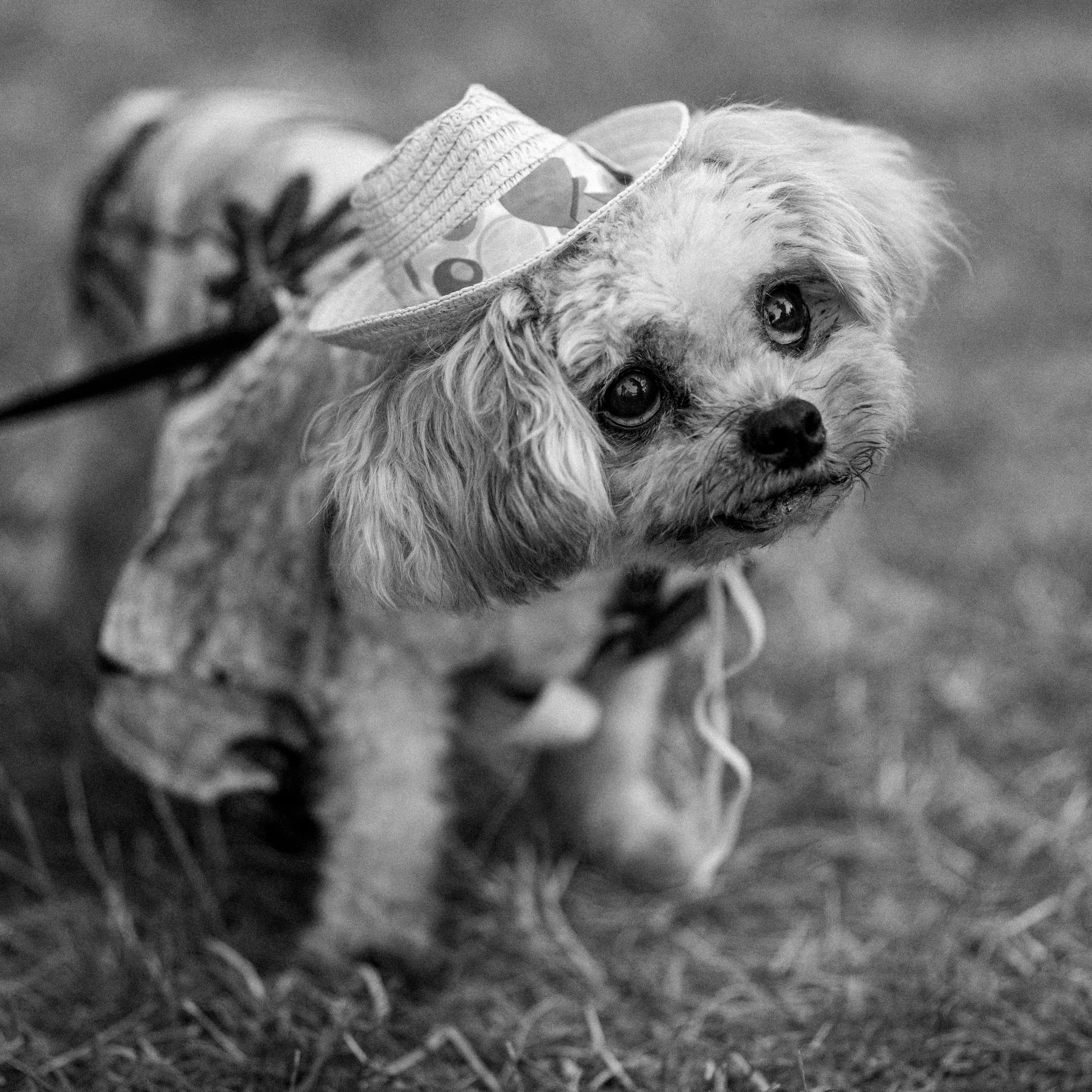
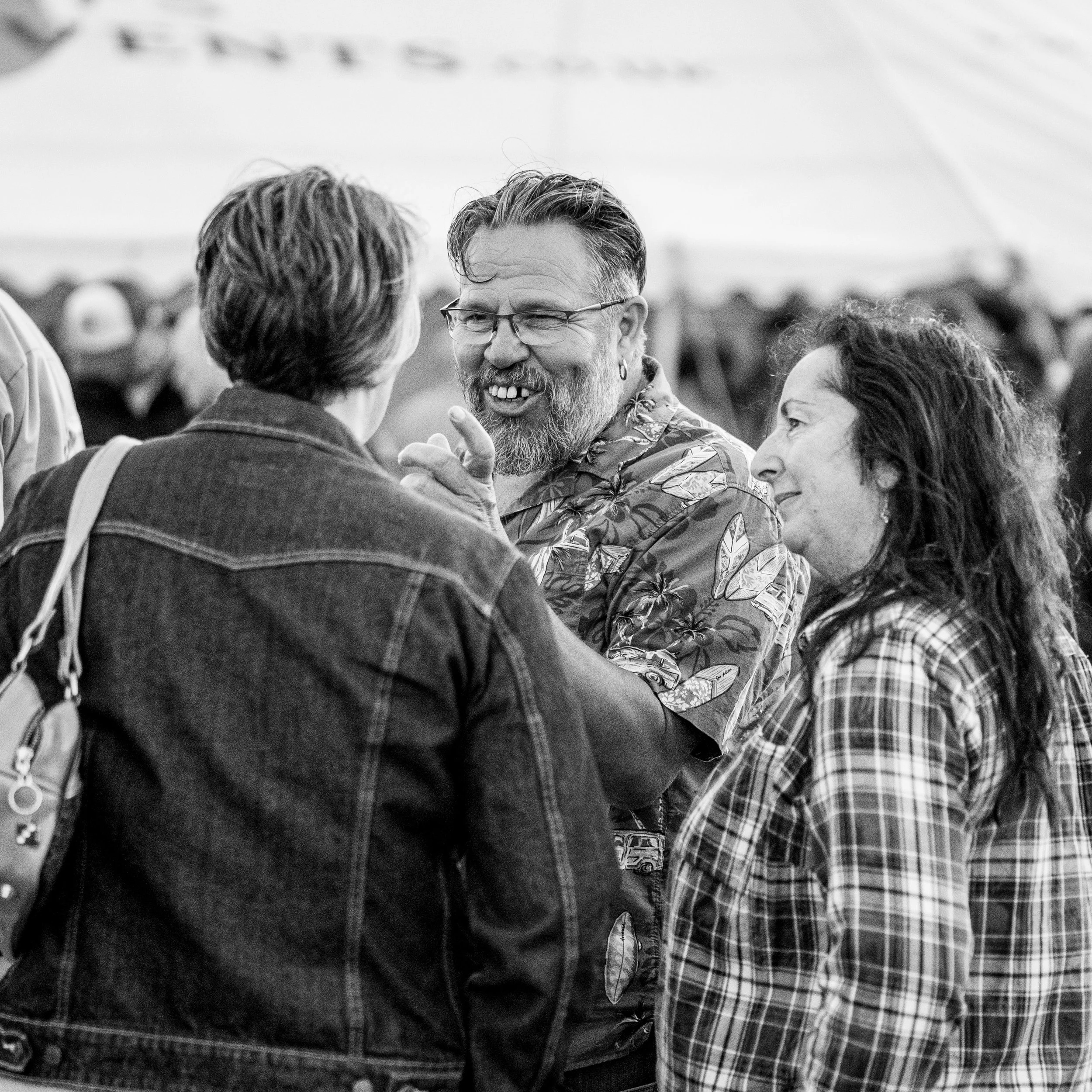
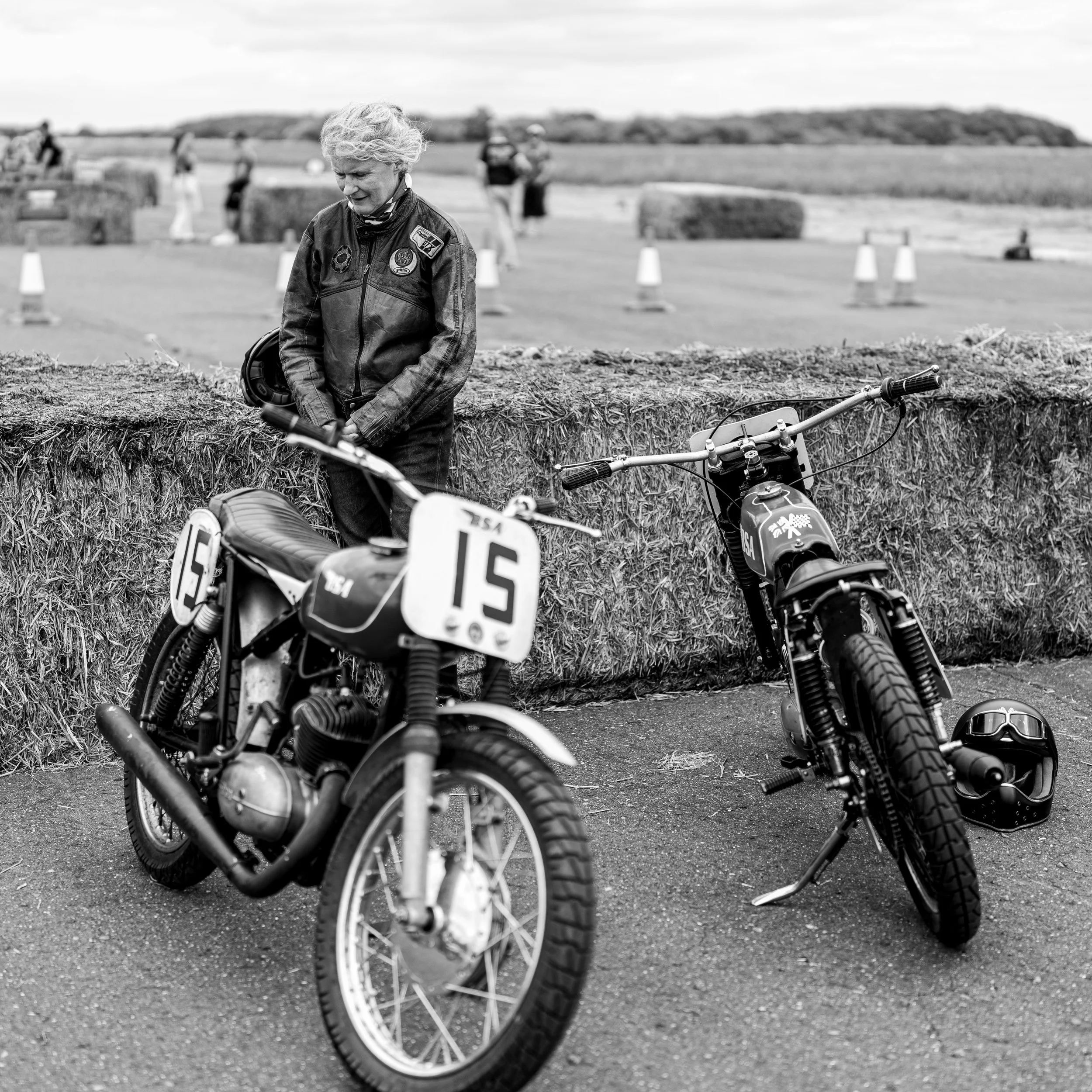
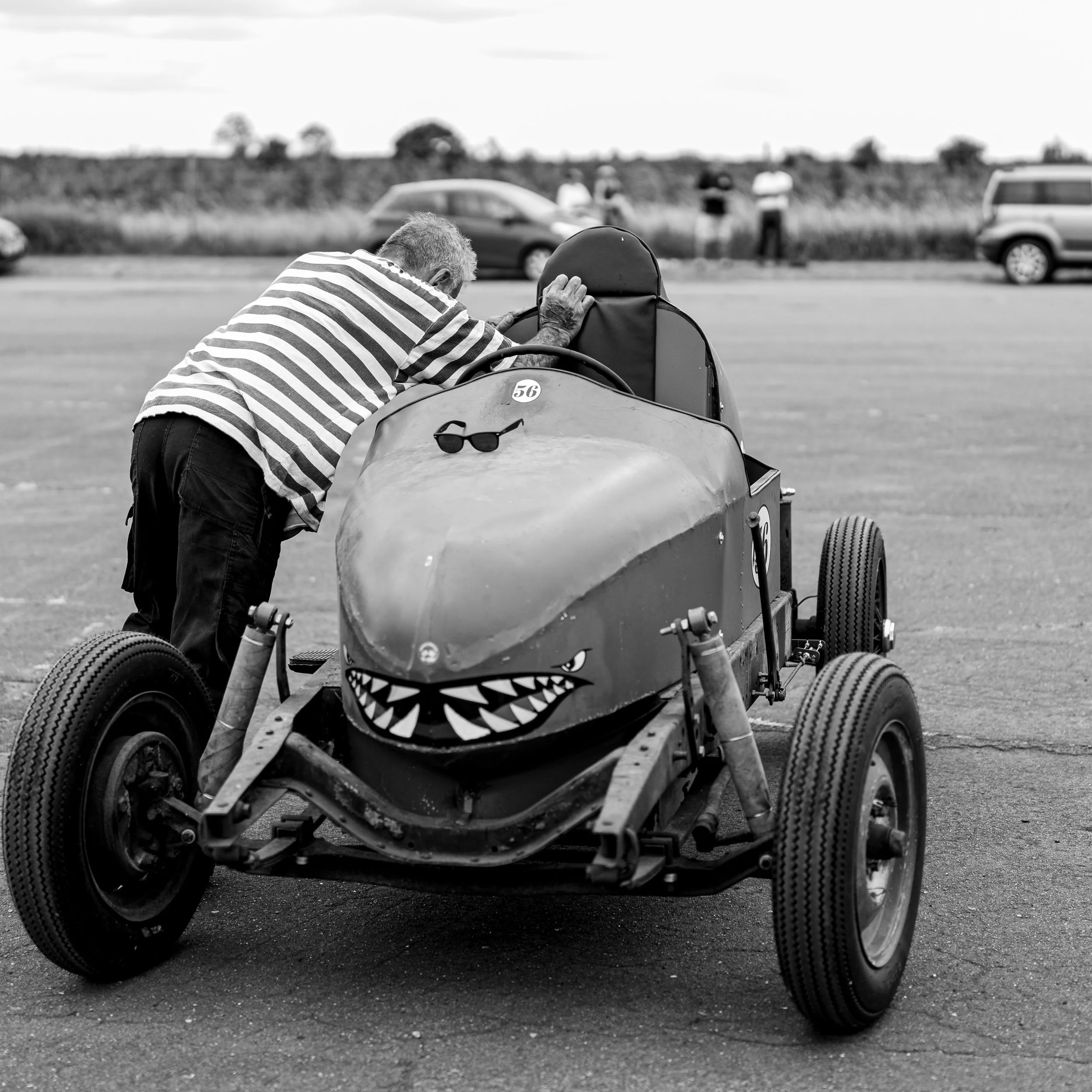
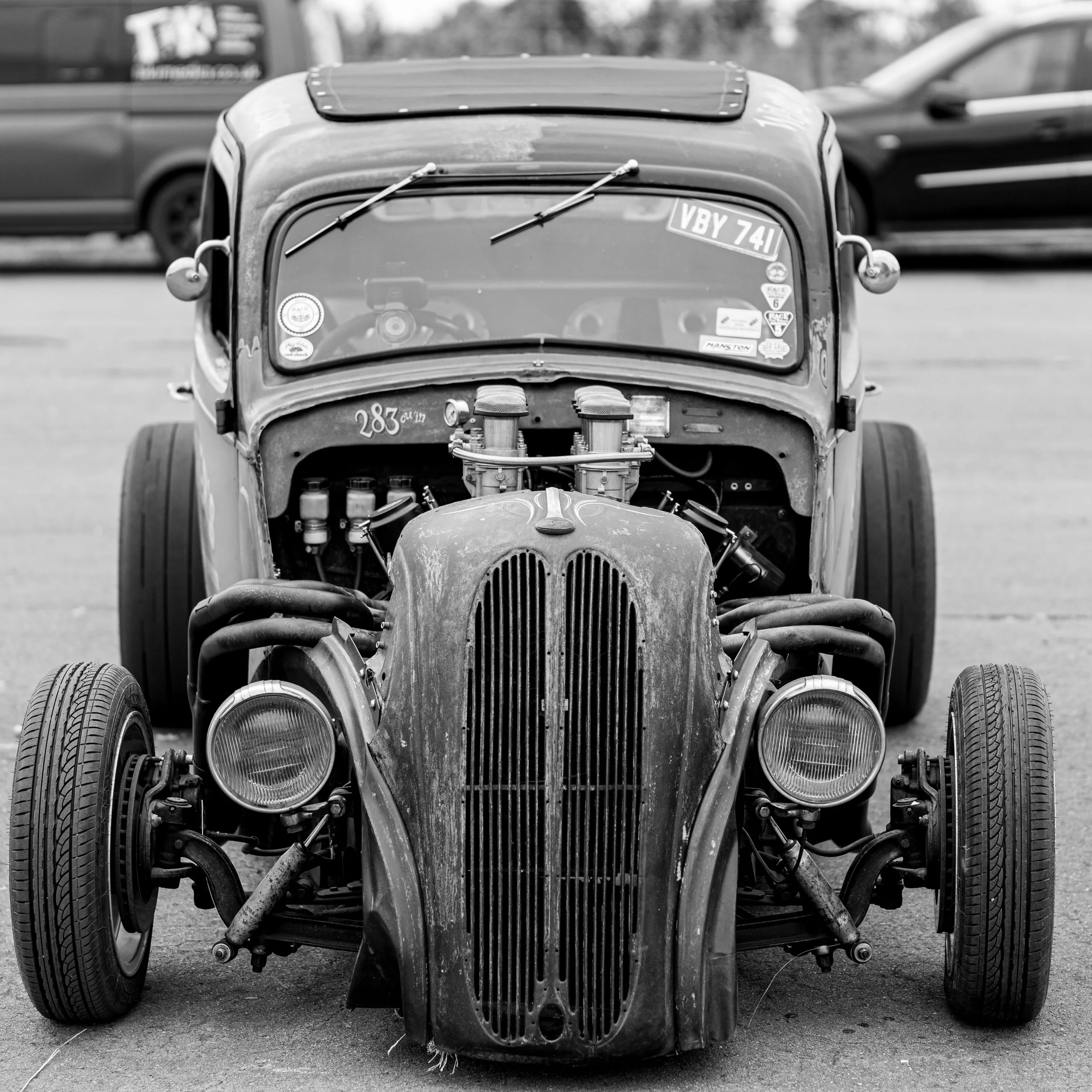
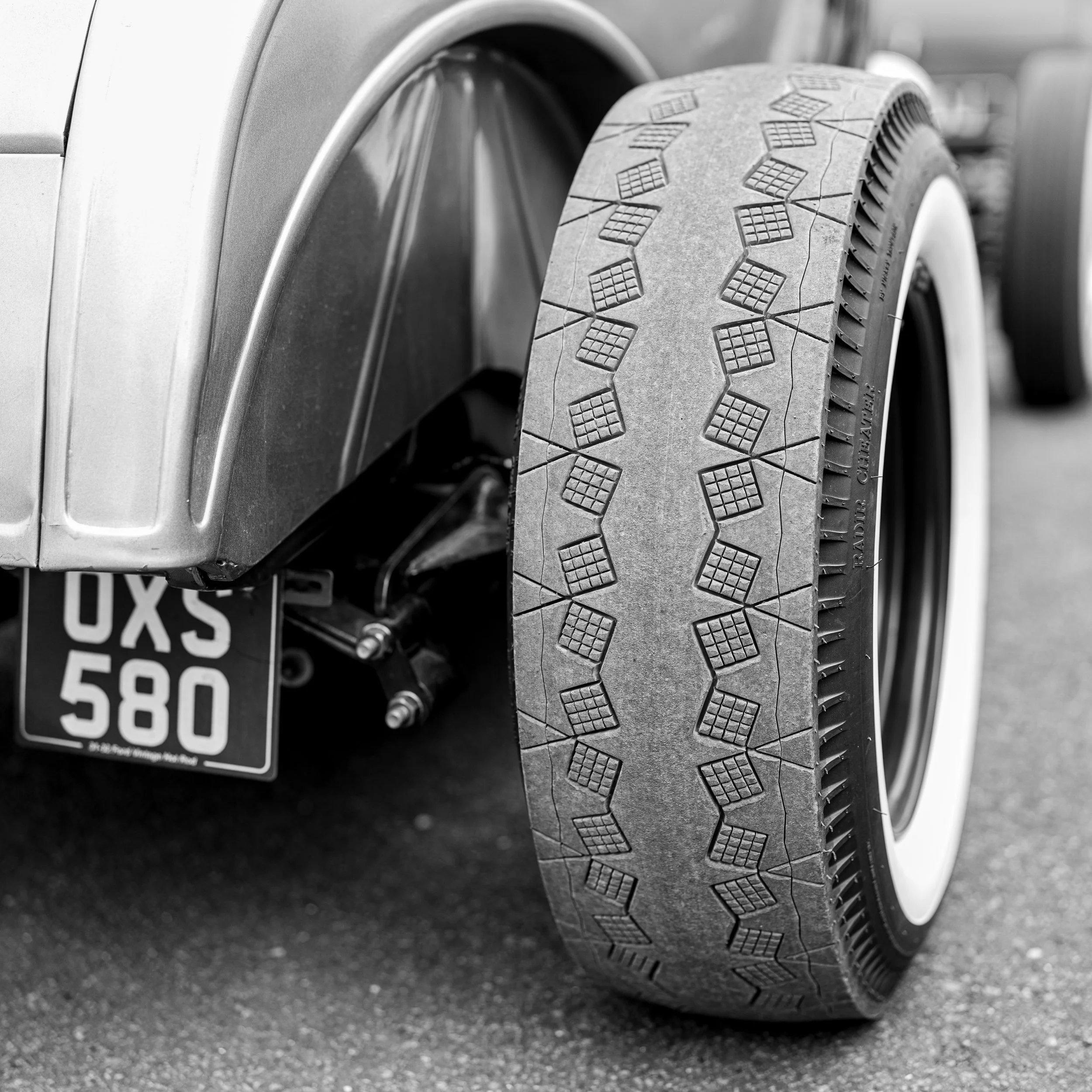
Street Photography shot with the Leica M11
My favourite things…
Photography can be a complicated subject and with it there can be lots of complicated equipment. My favourite things are the simple pleasures like this stainless coffee pot which make just 1 cup of delicious Italian coffee for me every single day.
Can you guess what is my favourite camera? The clue is in the picture…
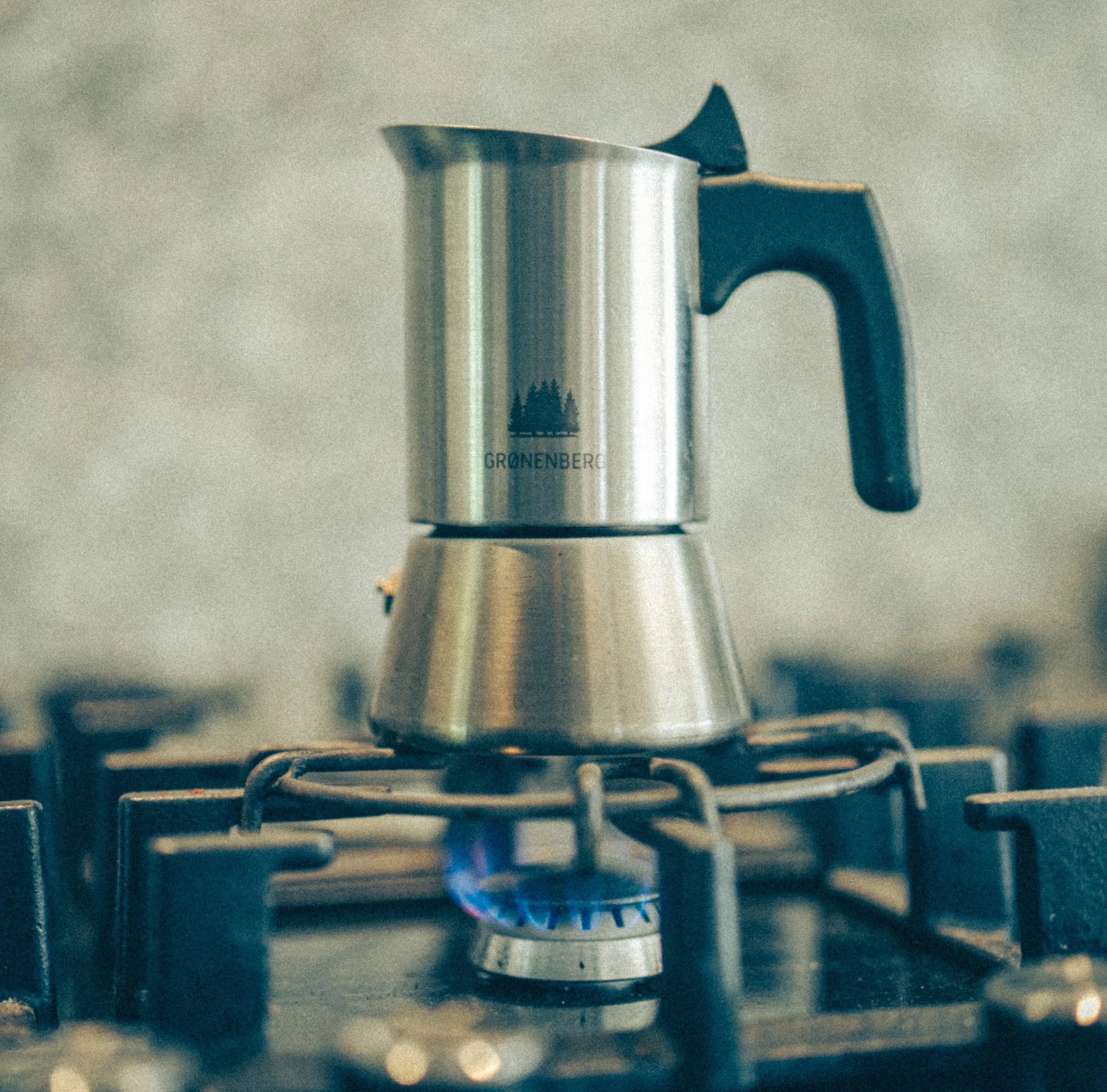
My favourite coffee pot for one cup.
… My favourite camera is the Leica MP film camera and if I could choose just one lens, then it would be the 50mm f1.4 Summilux which spends most of its time on that camera. If I could use that camera for everything and a 50mm lens then I surely would.
However, this article is about a sense of purpose, shooting film is not great for producing quick images especially in colour which I need to send away for developing. I can however shoot, develop, scan and/or print black and white films in one day when I’m near home.
The clue in this picture was the film like render and look. It was actually taken on the Sony A7RV with the 50mm f1.4 lens. It’s super convenient, accurate with the focus and absolutely brilliant at getting the image I want very quickly.
In this case, I applied one of my film presets that I created for the Sony. This enables me to enjoy film style images that I think are pretty convincing.
Whilst there is a fair degree of overlap between different cameras I use and the best camera is always the one you have with you, I do try to use the best tool for the job. This sadly isn’t always my favourite film camera.
Everything else is about options, but yes if asked, the Sony could actually do it all in a pinch even if the experience is a little clinical.